
Master Ghost of Yotei’s expanded combat, bounty systems, and open-world exploration with advanced strategies
Introduction & Story Overview
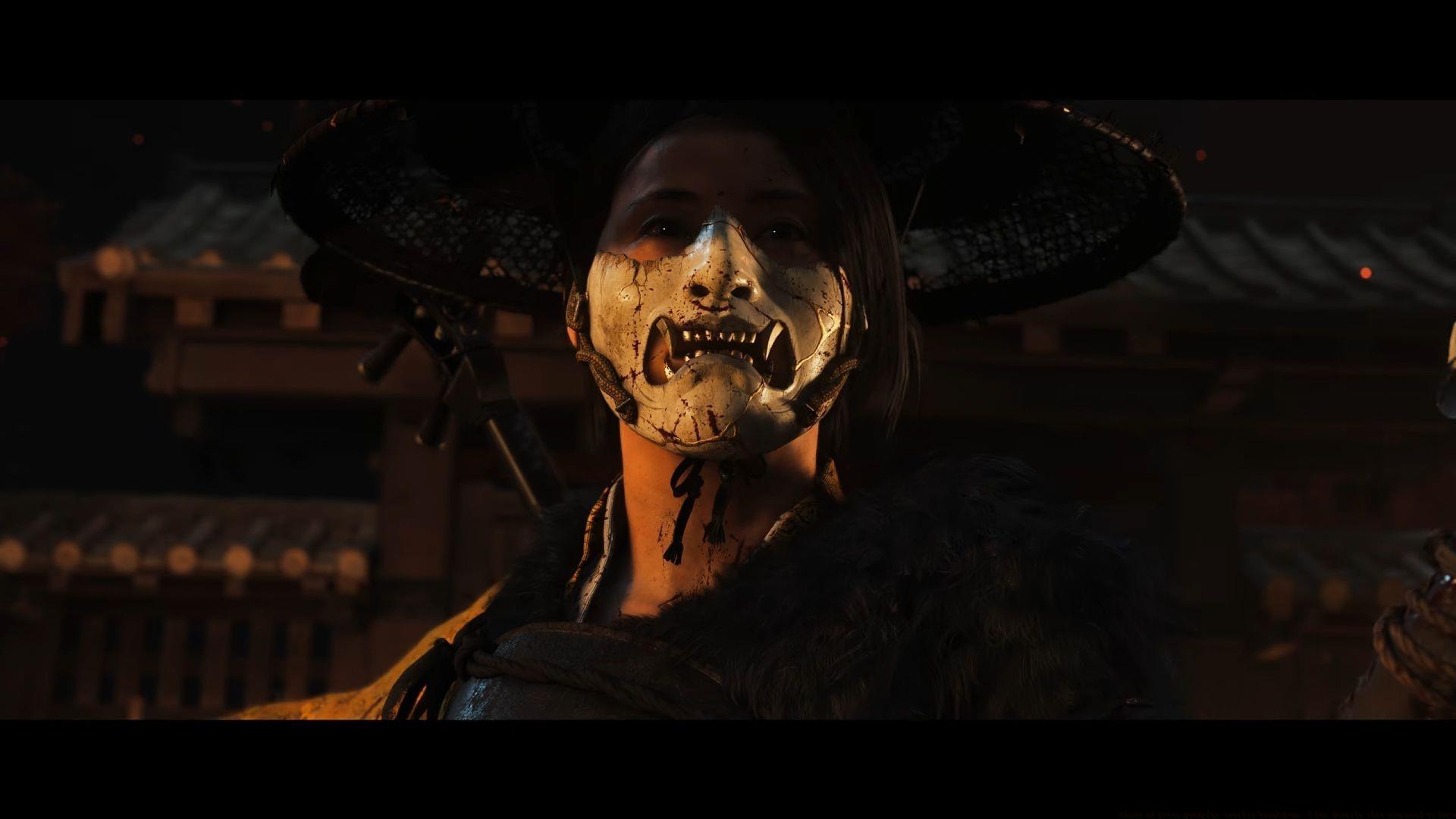
Ghost of Yotei recently received an extensive Gameplay Deep Dive presentation that revealed significant enhancements beyond its predecessor. The official PlayStation showcase highlighted revolutionary combat mechanics and expanded world systems that dramatically evolve the franchise formula. Visual improvements build upon Ghost of Tsushima’s acclaimed art direction while introducing next-generation environmental details and atmospheric effects. Multiple gameplay modes will be available at launch, offering tailored experiences for different player preferences and skill levels.
Protagonist Atsu embarks on a deeply personal vengeance campaign against the syndicate responsible for annihilating her family lineage. This narrative direction marks a substantial departure from Ghost of Tsushima’s broader island defense premise, focusing instead on intimate character-driven motivation. The revenge storyline creates compelling emotional stakes that influence gameplay decisions and character development throughout the campaign. Atsu’s transformation from victim to relentless hunter provides narrative justification for the game’s more aggressive combat options and stealth mechanics.
Expanded Open World & Exploration
Exploration receives substantial upgrades in Ghost of Yotei, transforming what was previously a somewhat restricted free-roam experience into a truly dynamic open world. The development team has implemented sophisticated encounter algorithms that generate organic interactions with diverse NPCs, specialized merchants, and unpredictable wildlife. Japan’s northern frontier setting provides breathtaking scenic diversity, from snow-capped mountains to coastal villages, each offering unique exploration opportunities and environmental challenges.
Also read: What is Watanabe Mode in Ghost of Yotei
Players can embrace structured narrative progression or indulge in extensive side content discovery through the game’s flexible mission architecture. Advancing through main story arcs systematically unlocks additional investigative opportunities and reveals hidden adversaries throughout the region. Environmental interrogation mechanics allow extracting tactical intelligence from captured enemies, while geographical exploration naturally reveals new territories and hidden locations.
Community notice boards display wanted targets with substantial bounty incentives that create engaging secondary gameplay loops. As Atsu’s reputation as the feared Onryo spreads, competing bounty notices targeting her own capture will appear, creating dynamic risk-reward scenarios. This economic system provides crucial funding sources for acquiring superior equipment and combat enhancements essential for confronting endgame challenges.
Strategic currency accumulation becomes vital when preparing to confront the formidable Yotei Six syndicate leadership. Bounty hunting serves dual purposes: generating necessary financial resources while simultaneously refining combat proficiency across various engagement scenarios. This system naturally encourages experimentation with different tactical approaches and weapon combinations before facing major story encounters.
Pro Tip: Prioritize bounty missions in new regions to simultaneously fund equipment upgrades while learning local enemy patterns and environmental layouts.
Combat Systems & Weapon Mastery
Ghost of Yotei revolutionizes its combat foundation by replacing the Stance system from its predecessor with an intricate multi-weapon combat architecture. Players gain access to five distinct weapon categories: Katana for balanced engagement, Spear for reach advantage, Kusarigama for crowd control, Odachi for powerful strikes, and Dual Swords for rapid assault. Each weapon type demands dedicated mastery development and features unique upgrade trees that significantly alter combat capabilities and tactical options.
Atsu’s background as an independent mercenary justifies her proficiency with diverse armaments and adaptive combat methodologies. Every weapon category includes specialized enhancement paths that progressively unlock advanced techniques and statistical improvements. Mastering multiple weapons becomes essential for handling varied enemy types and encounter situations efficiently throughout the game’s challenges.
Read more: 5 games to try out while you wait for Ghost of Yotei
Adversaries introduce new combat capabilities including disabling strikes designed to disarm unprepared players. However, precisely timed counter-maneuvers can reverse these situations, allowing skilled players to disarm opponents instead. This high-skill mechanic rewards observational skills and reaction timing, particularly against elite enemies and boss encounters where weapon disadvantages can be critically punishing.
Advanced Combat Strategy: Practice weapon switching during combat pauses to maintain optimal matchups against different enemy types. The Kusarigama excels against groups, while the Odachi delivers decisive damage against heavily armored single targets.
Common Mistake: Avoid over-specializing in a single weapon type early game. Spread mastery development across at least three weapon categories to handle diverse combat scenarios effectively.
Camping & Progression Systems
The introduction of wilderness camping mechanics provides strategic respite locations throughout the expansive game world. These campsites function as multi-purpose hubs where players can prepare meals, craft equipment, and plan subsequent missions while pursuing the Yotei Six. Beyond basic restorative functions, camping locations offer substantial character progression opportunities and resource management capabilities.
Development teams have engineered camps to serve as natural social convergence points for significant narrative characters and specialized merchants. Encountered NPCs may provide unique items like ceremonial masks, combat equipment, or critical intelligence pertaining to main storyline objectives and side missions. These interactions often unlock additional gameplay systems and progression opportunities.
Beyond the camping system, players can monitor accumulated allies and their contributions through the comprehensive Wolf Pack interface. This management system enables strategic decisions regarding equipment upgrades, technique acquisition, and secondary mission acceptance for additional rewards. The Wolf Pack mechanics create persistent relationships that influence available resources and narrative outcomes throughout the game.
Optimization Tip: Regularly return to established camps after major story events to trigger new NPC interactions and unlock additional merchant inventory tiers.
Advanced Strategy & Optimization
Ghost of Yotei delivers unprecedented gameplay flexibility through its interconnected mechanics and customization options. The extensive arsenal of combat styles, character specializations, and tactical approaches enables truly personalized gameplay experiences. Players can develop Atsu as a ghost-like stealth operative or transform her into a formidable frontline combatant based on preferred engagement philosophies.
Strategic resource allocation becomes increasingly important during mid-to-late game progression. Prioritize weapon upgrades that complement your dominant playstyle while maintaining secondary options for situational challenges. Economic management should balance between immediate equipment needs and long-term character development investments.
Mastering the disarm counter system requires deliberate practice but provides significant advantages against elite enemies. Focus on learning enemy attack telegraphing and developing muscle memory for precise timing inputs. This skill becomes particularly valuable during bounty missions and syndicate confrontations where equipment disadvantages can quickly turn engagements.
Endgame Preparation: Develop proficiency with at least one ranged option and one crowd-control weapon before confronting the Yotei Six leadership. Maintain diverse armor sets for different encounter types and always carry adequate healing resources.
Be sure to follow Sportskeeda for more updates, guides, and news.
No reproduction without permission:GameCDjnh » Ghost of Yotei gameplay trailer breakdown: 5 key details that you need to know Master Ghost of Yotei's expanded combat, bounty systems, and open-world exploration with advanced strategies