
Master weapon maintenance and sheathing mechanics to enhance immersion in Ghost of Yotei’s samurai experience
The Philosophy Behind Weapon Care
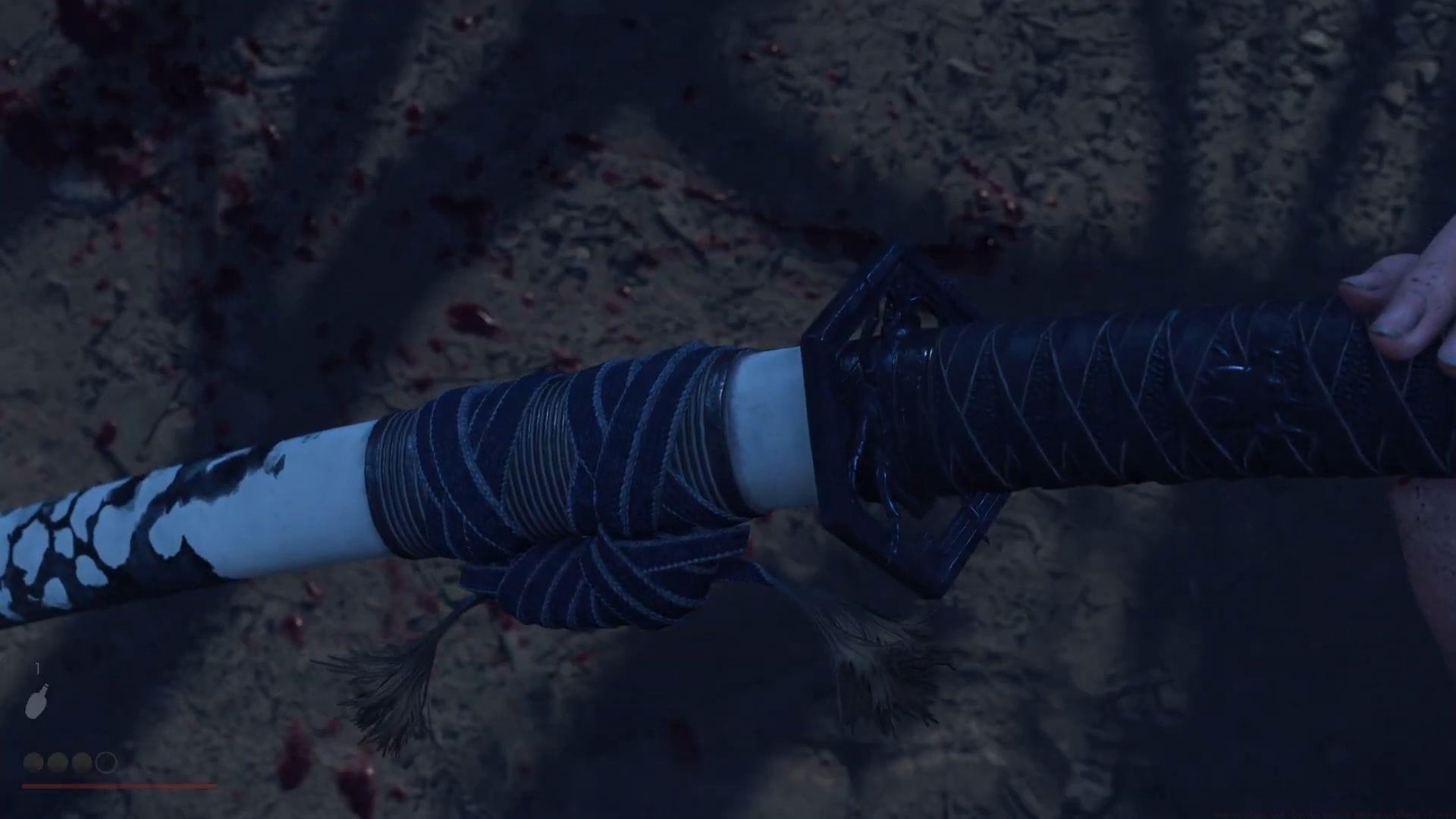
Mastering the art of weapon maintenance in Ghost of Yotei represents more than just a visual flourish—it embodies the disciplined mindset of a true warrior. The deliberate process of cleaning and sheathing Atsu’s blade serves as a meditation on combat philosophy, transforming routine actions into meaningful character moments. This mechanic doesn’t boost your damage output or provide statistical advantages, but instead reveals the protagonist’s respect for her tools and the way of the samurai.
Unlike many action games where weapons disappear magically when not in use, Ghost of Yotei maintains weapon presence as a constant reminder of Atsu’s readiness and discipline. The cleaning animations specifically reference traditional Japanese sword maintenance rituals, where warriors would meticulously care for their blades after battle. This attention to historical accuracy adds layers of authenticity to the gaming experience throughout the island of Ezo.
Practical Sheathing Mechanics
The control scheme for weapon management offers both immediate and automated options to suit different playstyles. Manual sheathing remains available at any moment through a simple touchpad press, giving players direct command over when Atsu stores her weapon. This proves particularly useful when navigating confined spaces or preparing for narrative sequences where armed appearance might feel inappropriate.
For those preferring seamless gameplay flow, the automatic sheathing system activates after approximately 15-20 seconds outside of combat situations. This intelligent design prevents the weapon from remaining drawn during exploration phases, maintaining the game’s cinematic quality without requiring constant player input. The transition between combat readiness and peaceful exploration feels organic rather than disruptive.
Strategic Insight: How to parry in Ghost of Yotei
Environmental interactions significantly benefit from proper weapon management. Tight corridors, puzzle mechanisms, and social encounters all become more fluid when Atsu’s weapon is properly stored. The sheathing action also serves as a visual cue that immediate danger has passed, helping players mentally transition between the game’s various pacing segments.
Advanced Weapon Maintenance Techniques
Weapon-specific animations provide subtle visual storytelling that rewards player attention to detail. Each weapon type—from katanas to naginatas—features unique cleaning rituals that reflect their distinct combat roles and historical maintenance requirements. These variations aren’t merely cosmetic; they educate players about traditional weapon care while reinforcing Atsu’s expertise with diverse armaments.
The cleaning sequences demonstrate authentic Japanese sword maintenance techniques, including proper blade inspection, cleaning cloth usage, and oil application for corrosion prevention. While these actions don’t affect weapon durability or performance statistics, they ground the game in historical realism and character authenticity. Observant players will notice that recently used weapons show more detailed cleaning requirements than freshly drawn ones.
Contextual animation triggers add another layer of sophistication. The thoroughness of cleaning animations varies based on combat intensity, with prolonged battles triggering more elaborate maintenance sequences. This dynamic response system makes weapon care feel reactive to actual gameplay circumstances rather than following predetermined scripts.
Common Mistakes and Optimization
Many players initially struggle with timing their manual sheathing actions, frequently interrupting animations by moving too quickly. The complete sheathing sequence requires approximately 2-3 seconds to finish—attempting to sprint or interact during this period cancels the animation. Practice patience after triggering the manual sheathe to ensure the full cinematic sequence plays out properly.
Advanced players should master the rhythm between combat conclusion and exploration initiation. The optimal strategy involves allowing automatic sheathing during routine travel while using manual sheathing for specific scenarios like dialogue sequences or puzzle interactions. This balanced approach maximizes both efficiency and immersion without sacrificing gameplay flow.
Another common oversight involves failing to recognize contextual sheathing opportunities. Specific story moments, environmental interactions, and NPC encounters provide ideal opportunities for manual weapon storage that enhances narrative coherence. These subtle applications of the mechanic deepen player engagement with the game world beyond mere mechanical functionality.
That concludes our comprehensive guide on weapon maintenance in Ghost of Yotei. For additional gameplay insights and advanced techniques, continue following our coverage.
Expand your knowledge with these related guides:
No reproduction without permission:GameCDjnh » How to clean and sheathe Atsu’s weapon in Ghost of Yotei Master weapon maintenance and sheathing mechanics to enhance immersion in Ghost of Yotei's samurai experience