
Master Ghost of Yotei cutscenes: skip mechanics, immersion tips, and cinematic modes explained
The Role of Cutscenes in Ghost of Yotei’s Narrative
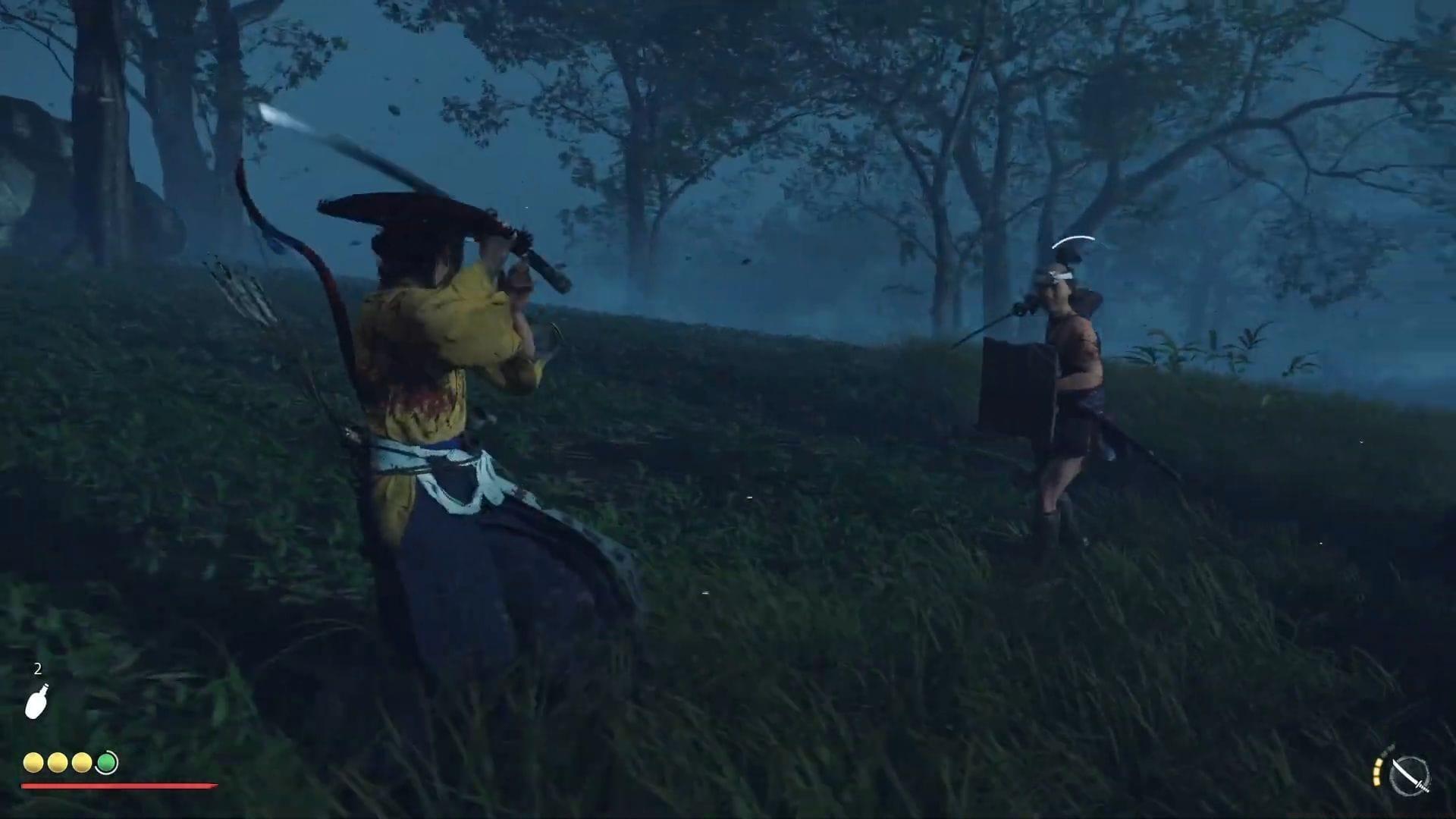
Cutscenes in Ghost of Yotei function as the narrative backbone, chronicling protagonist Atsu’s transformative journey through feudal Ezo while developing intricate relationships with supporting characters. These cinematic sequences provide crucial emotional context that enhances gameplay decisions and character motivations. During initial playthroughs, resisting the urge to skip ensures you grasp subtle story nuances that impact later game choices and endings.
Practical Cutscene Skipping Mechanics
Ghost of Yotei implements a streamlined skipping system accessible through specific controller inputs. The game recognizes when players might want to expedite repeated content, particularly during New Game+ runs or when revisiting familiar story beats. A prime illustration occurs upon completing the Sleight of Hand side mission – after persuading the ronin to lower his weapon, he extends an invitation to participate in Zeni Hajiki. Rather than enduring the entire interaction repeatedly, employing the designated button combination allows immediate progression.
Limitations and Strategic Considerations
While Ghost of Yotei permits complete scene skipping, it lacks granular control over dialogue pacing within cinematic sequences. This design choice preserves dramatic timing and emotional impact but means players cannot accelerate specific conversations while watching others. The fixed pacing demands binary decisions: experience scenes in their entirety or bypass them completely. This becomes particularly relevant during emotionally charged moments where skipping might cause players to miss subtle character development or plot foreshadowing.
Cinematic Presentation and Immersion Options
Ghost of Yotei’s visual storytelling shines through meticulously crafted cinematic presentations, showcasing reflective instances where Atsu interacts with diverse characters throughout Ezo’s landscapes. While certain sequences might feel repetitive during subsequent playthroughs, each serves deliberate narrative purposes that facilitate organic story advancement. For enthusiasts seeking enhanced engagement, the title incorporates multiple cinematic modes that alter visual presentation styles, offering deeper immersion for those opting to watch rather than skip.
Advanced Cutscene Management Strategies
Strategic skipping becomes essential for efficiency-focused players. During second playthroughs, consider skipping combat tutorials and repetitive dialogue while retaining critical story revelations. Common mistakes include overskipping and missing subtle clues about upcoming boss weaknesses or relationship triggers that affect ending variations. Optimization tips for advanced players: create manual saves before major cutscenes to revisit them later without replaying entire missions, and utilize photo mode during unskippable scenes to capture stunning visuals while waiting.
No reproduction without permission:GameCDjnh » How to skip cutscenes in Ghost of Yotei Master Ghost of Yotei cutscenes: skip mechanics, immersion tips, and cinematic modes explained