
TL;DR
- Phase 3 introduces Trial of the Crusader raid, Onyxia’s Lair, and Argent Tournament world event
- Focus investments on Crusader Orbs and undervalued transmutes while avoiding overpriced materials
- Frost Death Knights and Fire Mages dominate S-tier for optimal raid performance
- Strategic market timing can yield 200-300% returns on well-chosen investments
- Use tier-based class selection to maximize your effectiveness in new content
The arrival of WotLK Classic Phase 3 marks a significant milestone in the expansion’s lifecycle, bringing substantial new content that will reshape both gameplay and the in-game economy. This phase represents the mid-point of Wrath of the Lich King’s content rollout, strategically positioned between the initial launch content and the final Icecrown Citadel confrontation. Understanding the full scope of what’s coming enables smarter preparation and investment decisions that can dramatically increase your gold reserves and raid performance.
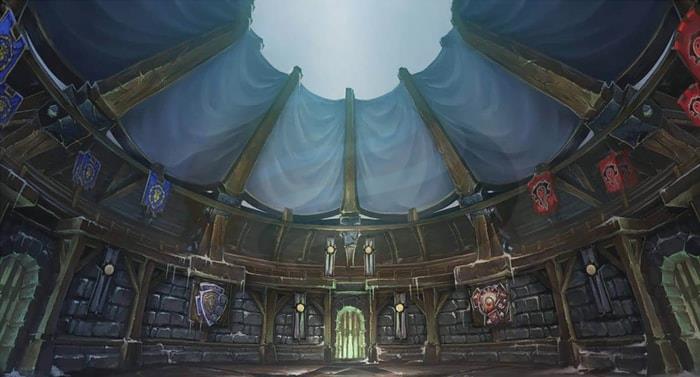
Phase 3’s February launch timing creates a critical window for economic preparation. The three major events each present unique opportunities for both gear progression and financial gain. Unlike previous phases, this update emphasizes shorter, more intense encounters that favor burst damage and strategic positioning.
The Trial of the Crusader raid introduces a compact but challenging experience featuring five boss encounters in quick succession. This design philosophy rewards groups that can maintain consistent performance without extended endurance tests.
Onyxia’s Lair returns as a level 80 revamp, maintaining the classic encounter mechanics while scaling difficulty appropriately for current gear levels. This raid serves as both a nostalgic callback and a practical gear source.
The Argent Tournament world event provides a persistent outdoor activity zone with daily quests, reputation rewards, and unique mounts. The economic implications of this persistent content create sustained demand for specific materials and consumables.
Learning from Phase 2’s market volatility provides crucial insights for Phase 3 investment planning. The widespread practice of mass-selling stockpiled materials at phase launch created artificial price crashes that savvy investors can exploit. The key distinction between successful and unsuccessful investors lies in timing and market psychology understanding.

Two primary investment methodologies dominate Phase 3 preparation: high-demand purchasing and undervalued acquisition. High-demand strategy involves buying materials when player activity peaks during new content excitement, while undervalued acquisition focuses on materials with temporarily depressed prices due to market saturation.
Crusader Orbs represent the cornerstone of Phase 3 crafting economy. Unlike Phase 2’s Rune Orbs which required six units per craft, Crusader Orbs utilize a flexible four to eight unit requirement system. This variability creates both risk and opportunity in orb investments.
Transmute specialization becomes exceptionally profitable in Phase 3, particularly for jewelcrafters focusing on Cardinal Rubies. This rare gem requires transmuting Scarlet Rubies with Elemental Fire, creating sustained demand from raiders upgrading their gear for new content.
Critical investment avoidance list includes materials that experienced significant price inflation during Phase 2. Eternal Shadow and Eternal Water currently trade at unsustainable levels that will likely correct downward once Phase 3 crafting patterns become available.
Eternal life
Eternal fire
Arctic fur
Titan steel bar
Ebon weave
Spell weave
Icy dragon scales
Moon shrouds
Market timing precision separates profitable investors from average players. Purchase undervalued green, blue, and yellow gems during the initial Phase 3 market adjustment period, then hold for two to three weeks until prices stabilize at higher levels. This strategy typically yields 200-300% returns on well-timed investments.
Class selection for Phase 3 requires understanding how encounter design changes affect performance metrics. The shift toward shorter, more intense fights favors classes with strong burst damage capabilities and minimal ramp-up time. This fundamental shift in raid philosophy makes certain specializations dramatically more valuable than others.

S-Tier Dominance
Frost Death Knight – Dominates single-target encounters with unparalleled sustained damage output. Their rotation simplicity combined with exceptional scaling makes them consistently top performers.
Unholy Death Knight – Enhanced auto-attack damage through armor penetration mechanics creates exceptional single-target superiority. Their disease-focused gameplay synergizes perfectly with Phase 3 encounter design.
Fire Mage – Delivers unmatched single-target destruction while maintaining flexible multi-target capabilities through Living Bomb. The critical mass mechanic and Hot Streak procs create explosive damage windows that align perfectly with Phase 3’s burst-oriented philosophy.
Marksmanship Hunter – Armor penetration specialization allows penetration of even the most heavily armored targets. Their burst damage sequence utilizing Rapid Fire creates devastating damage spikes.
A-Tier Competitive Options
Arcane Mage – Excels in shorter encounters where mana management becomes less restrictive. Their raw spell power output remains competitive with S-tier options in optimal conditions.
Combat Rogue – Maintains strong area effect damage alongside respectable single-target performance. Fan of Knives ability provides exceptional multi-target clearing capability.
Fury Warrior – Compensates for moderate single-target damage with exceptional cleave capabilities. Two-handed weapon specialization creates massive damage potential in execute phases.
Feral Druid – Downgraded from S-tier due to encounter design changes that reduce swipe effectiveness. Still performs exceptionally well in skilled hands despite the tier adjustment.
B-Tier and Below Considerations
Shadow Priest – Provides exceptional utility despite moderate damage output. Their mana regeneration and healing support capabilities make them valuable raid members despite lower personal DPS.
Balance Druid – Starfall and DoT spells create competitive cleave damage, though single-target performance lags behind higher tiers.
Affliction Warlock – Delivers consistent damage output but lacks the burst potential required for Phase 3’s encounter pacing.
Enhancement Shaman – Armor penetration benefits partially offset by limited cleave damage capabilities. Their primary value lies in totem buff provision rather than raw damage output.
Elemental Shaman – Chain Lightning provides strong cleave damage, though single-target performance remains suboptimal for serious progression content.
Effective Phase 3 preparation requires systematic approach combining economic strategy with class optimization. The transition period between phases creates unique market conditions that won’t repeat until future content releases.
For players seeking to maximize their gold-making potential, focusing on Crusader Orb acquisition during the initial two-week period following launch typically yields maximum returns. Monitor auction house patterns for Cardinal Ruby price movements as these often indicate broader market trends.
Class selection should align with both personal preference and raid composition needs. While S-tier classes offer superior performance, well-played A-tier specializations can compete effectively and may face less competition for raid spots.
Avoid the common mistake of over-investing in materials that were valuable in previous phases but have diminished utility in Phase 3 content.
Strategic gem stockpiling should focus on undervalued colors during market saturation periods, then sell during raid preparation peaks when demand surges.
For comprehensive class guidance and weapon optimization strategies, consult our Class Guide which provides detailed analysis of each specialization’s strengths and weaknesses in the current meta.
Players should establish clear investment timelines with specific profit-taking targets. Typical holding periods for Phase 3 materials range from two to four weeks depending on market volatility and player engagement levels.
Remember that while gold-making opportunities abound in Phase 3, the primary goal remains character progression and content enjoyment.
Action Checklist
- Acquire Crusader Orbs during initial market adjustment period (first 2 weeks)
- Stockpile undervalued gems for transmute specialization profits
- Evaluate and potentially re-spec your main character based on tier rankings
- Avoid overpriced Phase 2 materials (Eternal Shadow, Eternal Water)
- Prepare raid consumables and gear enhancements for Trial of the Crusader
- Study encounter mechanics for new raids to maximize performance
No reproduction without permission:GameCDjnh » WoW WotLK Phase 3 Preparation and Investments Master WotLK Phase 3 with strategic investments, class tier rankings, and gold-making opportunities