
Exploring Ghost of Yotei’s narrative depth compared to Tsushima with strategic gameplay insights
Introduction to Ghost of Yotei’s Revenge Narrative
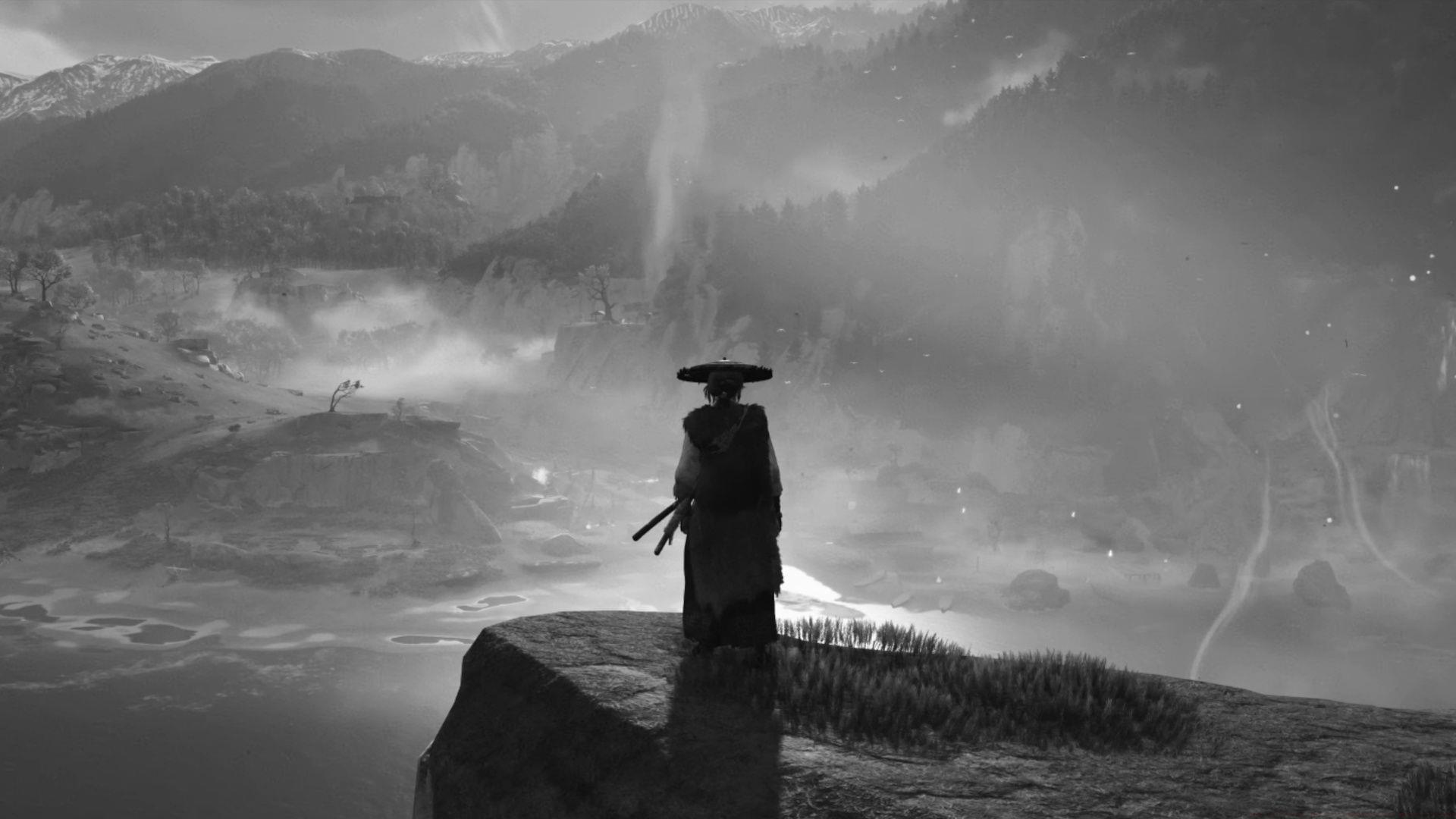
Anticipating Ghost of Yotei inevitably draws comparisons to its celebrated predecessor, Ghost of Tsushima. While not a direct narrative continuation like some sequels, the spiritual connection remains palpable. This creates both expectations and challenges for the development team at Sucker Punch.
The core premise centers on Atsu’s deeply personal quest for retribution against the Yotei Six, who brutally murdered her family. As the sole survivor, she has dedicated sixteen years to perfecting her combat abilities while nurturing her thirst for justice. Her characterization aligns with the onryō archetype from Japanese folklore – vengeful spirits known for their relentless pursuit of those who wronged them.
Recent gameplay demonstrations from State of Play events highlight this revenge-driven narrative, emphasizing Atsu’s combat proficiency and singular focus on eliminating her targets. Flashback sequences provide crucial emotional context, allowing players to understand her transformation from family member to vengeance-seeker.
Comparative Analysis: Yotei vs Tsushima Storytelling
Ghost of Tsushima established a remarkable narrative framework that balanced epic historical events with intimate personal struggles. Protagonist Jin Sakai confronted the Mongol invasion while wrestling with his samurai code’s constraints versus practical combat necessities. This dual-layered approach created depth that resonated strongly with players.
The original game masterfully intertwined macro-level historical events with micro-level character development. Jin’s moral dilemmas about honor versus effectiveness mirrored the larger conflict between traditional Japanese values and survival necessities. This sophisticated narrative weaving remains Tsushima’s standout achievement.
By contrast, Ghost of Yotei appears more focused on personal vengeance without the broader historical context that grounded its predecessor. The revenge narrative, while compelling, lacks the cultural and historical weight that made Tsushima feel authentically Japanese. This creates a different type of engagement that relies more on emotional connection than historical immersion.
Strategic consideration: Players should approach Yotei as a character-driven drama rather than historical epic. The emotional payoff depends on investing in Atsu’s personal journey and understanding the cultural significance of the onryō tradition within Japanese storytelling.
Advanced Combat Strategies and Character Development
Mastering Ghost of Yotei’s combat requires understanding the sixteen-year timeline of Atsu’s preparation. Unlike Jin’s rapid adaptation in Tsushima, Atsu’s extended training period suggests more specialized, deliberate combat techniques. Players should anticipate refined movement mechanics and precision-based attacks.
Strategic tip: Focus on environmental awareness and timing. Given the revenge narrative’s personal nature, combat encounters likely emphasize strategic positioning and exploiting enemy weaknesses rather than brute force. Study attack patterns and identify vulnerability windows for maximum effectiveness.
The moral complexity that defined Tsushima’s combat may manifest differently in Yotei. While Jin struggled with honor versus practicality, Atsu’s journey as an onryō suggests fewer moral constraints but potentially greater emotional consequences for certain combat choices. This creates different strategic considerations for players.
Advanced technique: Practice transitioning between combat stances fluidly. Based on gameplay demonstrations, successful players will need to adapt quickly between aggressive assault and defensive positioning. Mastering these transitions early will provide significant advantages in later game sections.
Character progression likely emphasizes revenge-focused abilities rather than broad skill trees. Prioritize upgrades that enhance stealth approaches and single-target elimination, as these align with the narrative’s personal vengeance theme.
Common Player Mistakes and How to Avoid Them
Many players approaching Ghost of Yotei may expect Tsushima’s narrative scale and become disappointed by the more focused revenge story. Managing expectations is crucial – appreciate Yotei for its character-driven intensity rather than historical epic scope.
Combat error: Over-aggression without strategic planning. The revenge narrative suggests enemies will be personally significant, requiring tactical approaches rather than straightforward confrontation. Study enemy behaviors and exploit environmental advantages.
Narrative mistake: Rushing through story sequences. The emotional weight depends on understanding Atsu’s backstory and motivation. Take time with flashback sequences and dialogue to fully appreciate the character’s transformation journey.
Pro tip: Balance stealth and confrontation appropriately. While stealth may be effective, certain narrative moments likely require direct confrontation for emotional impact. Learn to recognize when each approach serves the story best.
Progression error: Spreading skill points too broadly. Given the specialized nature of Atsu’s sixteen-year training, focused skill development aligned with the revenge narrative will likely yield better results than balanced attribute distribution.
No reproduction without permission:GameCDjnh » Ghost of Yotei will be haunted by a ghost of yore Exploring Ghost of Yotei's narrative depth compared to Tsushima with strategic gameplay insights