
Essential survival strategies for mastering Dying Light: The Beast’s dangerous world of Castor Woods
Understanding the Core Survival Mechanics
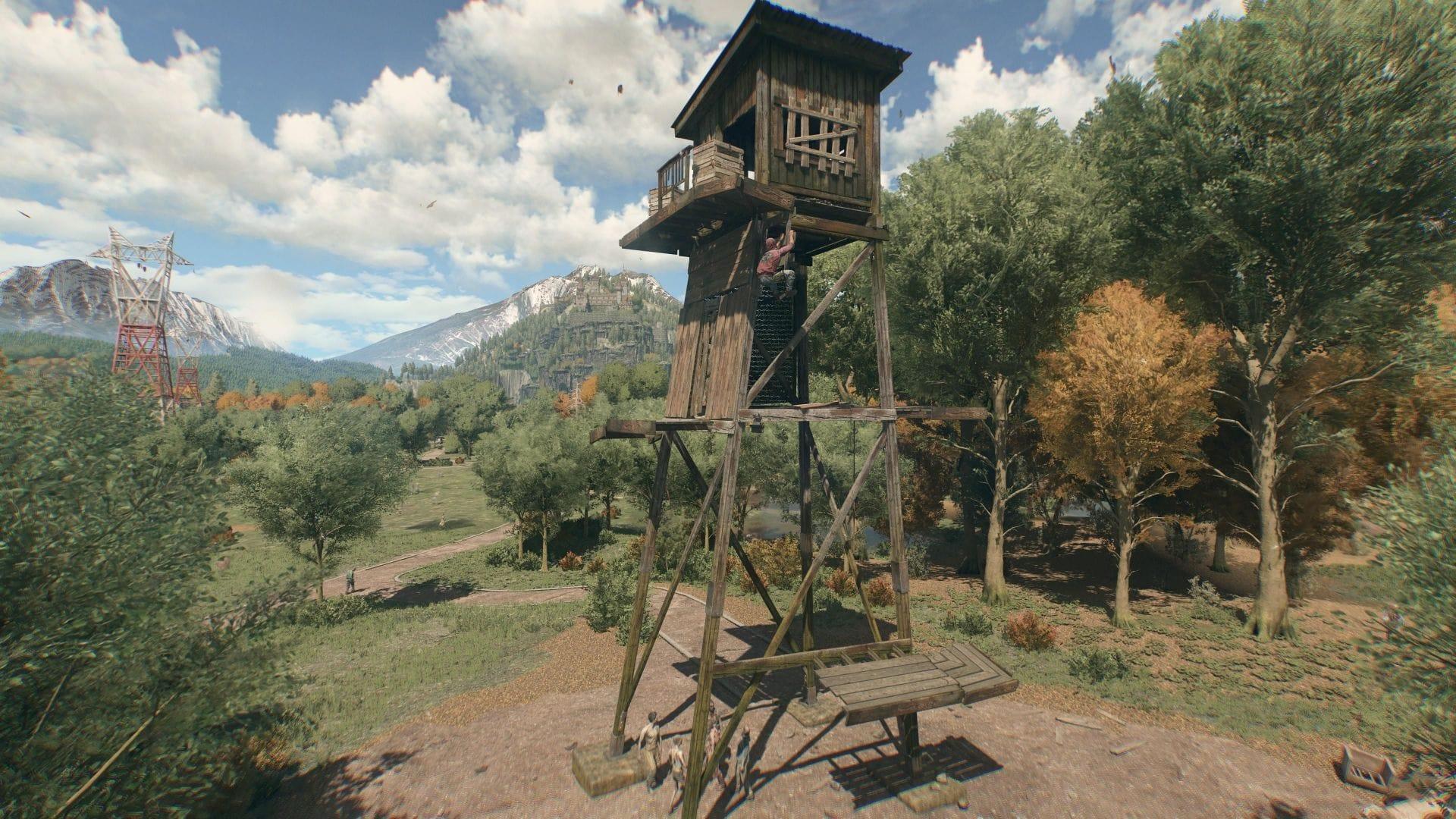
Dying Light: The Beast represents a significant evolution in the franchise, transporting veteran protagonist Kyle Crane to the treacherous wilderness of Castor Woods. New players will quickly discover that survival demands more than brute force—it requires strategic planning and environmental awareness when confronting the horrors that await on your quest for vengeance.
The landscape of Castor Woods features strategically placed Safehouses that serve as critical waypoints. These sanctuaries provide essential recovery options, allowing survivors to regenerate health, advance time cycles, and access stored equipment. More importantly, they function as respawn points upon death, making their activation non-negotiable for long-term survival.
Securing Safehouses often involves specific activation conditions—restoring power generators or eliminating zombie infestations. Since the game eliminates conventional fast travel mechanics, establishing a network of activated Safehouses becomes your primary method for efficient map traversal. Pro tip: Prioritize Safehouses near key resource locations and main story objectives to minimize backtracking.
When darkness descends, the feared Volatile variants emerge as the apex predators of Castor Woods. These enhanced zombies possess superior speed, aggression, and detection capabilities that can overwhelm even well-equipped players. During early gameplay, evasion rather than confrontation is the wisest survival strategy against these nocturnal hunters.
The most effective Volatile avoidance technique involves vertical mobility through rooftop pathways. Elevated routes not only provide safer transit but also capitalize on the game’s nighttime double XP bonus system. This approach accelerates the development of Kyle Crane’s parkour abilities while simultaneously reducing direct zombie encounters. Advanced players should memorize interconnected rooftop routes between major districts.
Advanced Combat and Movement Tactics
Castor Woods conceals valuable resources behind secured doors and locked containers, most accessible through the lockpicking minigame. This mechanic requires both lockpicks and player skill, presenting a risk-reward scenario for resource acquisition. Proper technique can mean the difference between scarcity and abundance.
Lockpick durability operates on an eight-use system with a crucial optimization opportunity: withdrawing from a lockpicking attempt before completion resets the durability counter. This allows players to practice on difficult locks without consuming resources. Common mistake: Many players break lockpicks unnecessarily by persisting with failed attempts instead of retreating and retrying.
The diverse environments of Castor Woods—from abandoned buildings to forest clearings—offer extensive looting opportunities. Containers yield essential medical supplies like Bandages for immediate health recovery alongside crafting resources for long-term survival. Optimization tip: Establish looting routes that maximize resource density while minimizing exposure to high-threat areas.
Weapon degradation and enhancement systems return as series staples, creating constant demand for materials. Comprehensive scavenging becomes mandatory rather than optional—every container potentially contains components for weapon repairs, modifications, or new creations. This resource dependency underscores the importance of thorough exploration in supporting Kyle Crane’s mission against the Baron.
Drivable vehicles reappear from earlier series installments, serving as the primary transportation method in the absence of fast travel. When rooftop escapes are impractical in open terrain, vehicles provide crucial mobility advantages. However, they introduce new management considerations including fuel consumption and damage accumulation.
Vehicle operation requires strategic planning—monitoring fuel levels, avoiding collisions that cause irreparable damage, and recognizing when to abandon a compromised vehicle. Nighttime driving presents additional challenges with reduced visibility and increased Volatile activity. Pro strategy: Keep a fuel canister in your stash for emergencies and avoid off-road travel during nighttime hours.
Progression and Endgame Optimization
Mastering Dying Light: The Beast’s mechanics requires understanding the interconnected systems of combat, crafting, and exploration. The game’s progression curve deliberately challenges players to adapt their strategies as they advance through the narrative and environment.
Weapon customization plays a pivotal role in late-game effectiveness. Beyond basic repairs, the modification system allows for specialized weapon traits targeting specific enemy types. Electric modifications prove particularly effective against Volatiles, while fire enhancements excel against standard zombie hordes. Resource allocation should prioritize modifications that complement your preferred combat style.
The day-night cycle dictates gameplay rhythm—daylight hours favor exploration and resource gathering, while nighttime offers accelerated character progression at significantly increased risk. Advanced players should plan activities around this cycle, completing dangerous looting missions during daylight and focusing on XP farming during carefully selected nighttime operations.
Environmental mastery separates proficient survivors from perpetual casualties. Learning zombie patrol patterns, identifying escape routes before engagements, and recognizing audio cues for special zombie types all contribute to survival rates. The most successful players develop situational awareness that anticipates threats rather than simply reacting to them.
Dying Light: The Beast is currently accessible on PC, PlayStation 5, and Xbox Series X|S platforms, with PlayStation 4 and Xbox One versions planned for late 2025 release. Cross-platform progression remains unconfirmed, so players should consider platform commitment carefully based on long-term play plans.
Additional strategic resources:
No reproduction without permission:GameCDjnh » Best beginner’s tips & tricks in Dying Light: The Beast Essential survival strategies for mastering Dying Light: The Beast's dangerous world of Castor Woods