
Master weapon throwing mechanics in Dying Light: The Beast with advanced combat strategies and optimization tips
Introduction to Weapon Throwing Mechanics
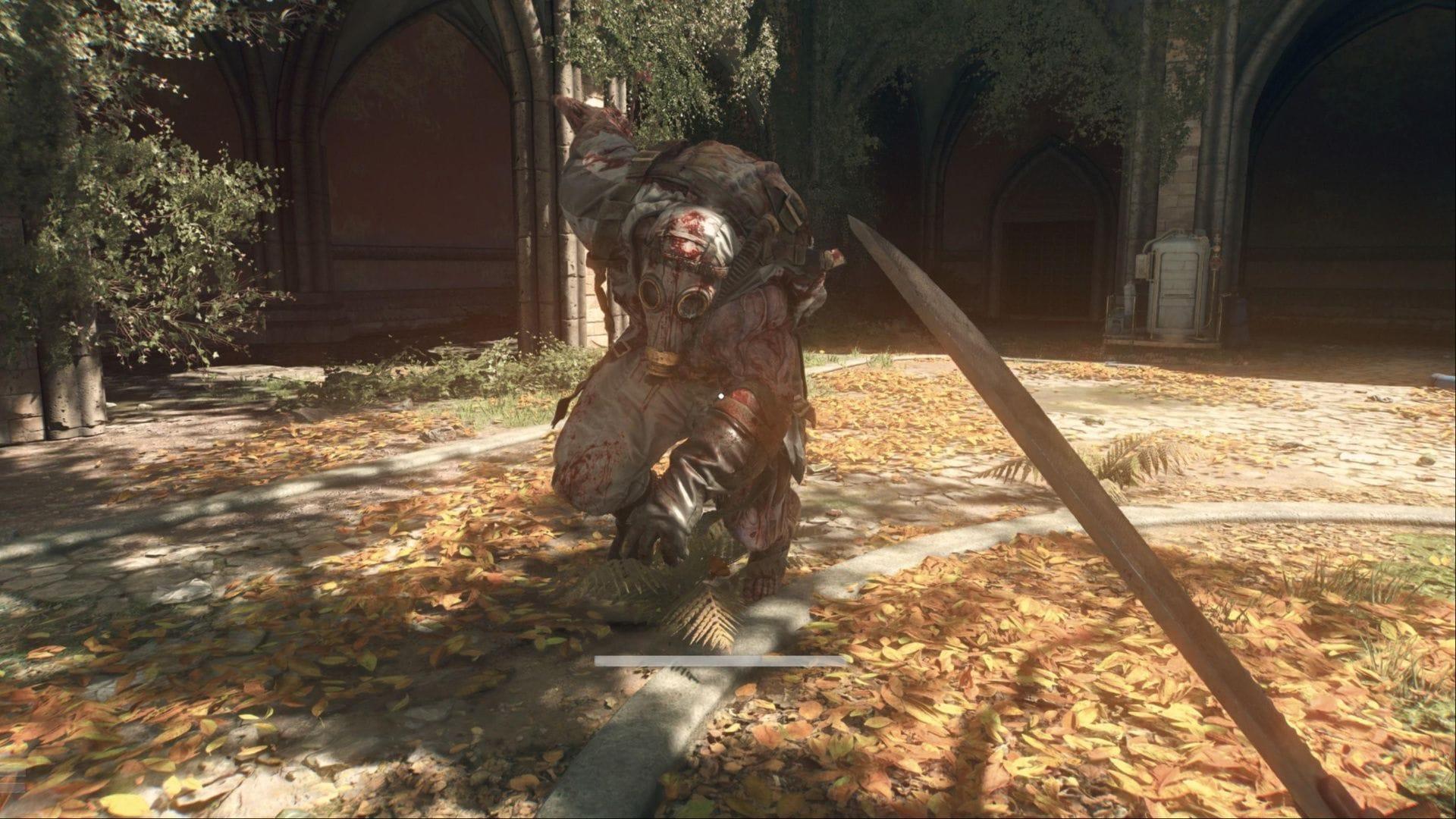
Dying Light: The Beast continues the franchise tradition of allowing players to hurl their equipped weapons directly at hostile targets. This often-overlooked combat option provides crucial tactical flexibility during intense encounters, though the game doesn’t explicitly tutorialize this capability. While series veterans will instinctively utilize this feature in Kyle Crane’s newest adventure, first-time players might completely miss this valuable combat tool.
The mechanic becomes particularly valuable when considering the game’s light RPG progression systems, where weapon statistics significantly impact combat effectiveness. Every tool in your arsenal, regardless of its power level, can be launched at enemies when strategically appropriate.
How to Throw Weapons: Controls and Execution
Executing a weapon throw requires precise input sequencing that varies by platform. You must first charge your attack by holding the appropriate button, then activate the throw command at the optimal moment. Console players utilize the right analog stick for this maneuver, while PC gamers press the F key once their attack reaches maximum charge.
The charging mechanism introduces strategic depth to combat encounters. Longer charge times typically result in more powerful throws with increased accuracy and damage potential. Learning to time your releases during enemy attack patterns can create openings that wouldn’t exist through standard melee combat alone.
Advanced players should practice the charging rhythm against weaker enemies before attempting precision throws in high-stakes situations. The slight delay between charge completion and release creates a skill gap that separates novice and expert players.
Weapon Types and Throwing Effectiveness
The weapon durability system significantly influences throwing strategy. When your lower-tier equipment approaches breaking point or has already shattered, converting them into projectile weapons becomes economically sensible. This approach preserves your premium gear while still contributing to combat effectiveness.
Different weapon categories produce distinct throwing outcomes that savvy players can exploit. Blunt instruments like hammers and clubs excel at crowd control, often knocking multiple enemies backward and creating breathing room. Meanwhile, edged weapons such as knives and axes can deliver instant kills when they score critical hits on standard foes.
Beyond manufactured weapons, the environment provides numerous throwable objects with tactical applications. Explosive canisters become area-denial tools when hurled at choke points, while everyday items can distract enemies or break their formations during pursuit sequences.
Advanced Combat Strategies
Strategic resource management separates competent survivors from master combatants. Prioritize throwing weapons that have minimal remaining durability or those you’ve outgrown through progression. This conservation mindset ensures your most powerful tools remain available for boss encounters and emergency situations.
During chase sequences that define the Dying Light experience, well-timed throws can mean the difference between escape and death. Environmental objects become crucial disruption tools when launched at pursuing enemies. Explosive containers create temporary barriers when detonated between you and your pursuers, while heavy objects can trip multiple enemies simultaneously.
Critical hit optimization requires understanding enemy weak points and attack patterns. Sharp weapons aimed at head-level trajectories consistently produce better results than body shots. Learning enemy movement predictability allows for lead throws that intercept targets rather than chasing them.
Common Mistakes and Optimization Tips
New players frequently make several predictable errors when learning throwing mechanics. The most common mistake involves wasting high-durability weapons on trivial throws rather than reserving them for melee combat. Another typical error involves poor timing during charge sequences, resulting in missed opportunities or vulnerable recovery periods.
Optimization begins with inventory organization. Designate specific weapon slots for throwing candidates based on their durability status and combat relevance. Regular weapon maintenance through upgrades and repairs ensures your throwing options remain viable throughout extended play sessions.
Dying Light: The Beast launches on PlayStation 5, Xbox Series X|S, and PC platforms, with legacy console versions arriving before 2025 concludes. Each platform’s control scheme offers unique advantages for throwing mechanics that players should explore through experimentation.
Expand your survival knowledge:
- Essential beginner strategies for mastering Dying Light: The Beast
- Understanding protagonist Kyle Crane’s backstory and abilities
- Acquiring crossover weapons like the Leviathan Axe from God of War
No reproduction without permission:GameCDjnh » How to throw weapons in Dying Light: The Beast Master weapon throwing mechanics in Dying Light: The Beast with advanced combat strategies and optimization tips