
Understanding the Splitgate 2 vs Call of Duty social media feud and what it means for FPS gamers
The Spark: Summer Game Fest Controversy Explained
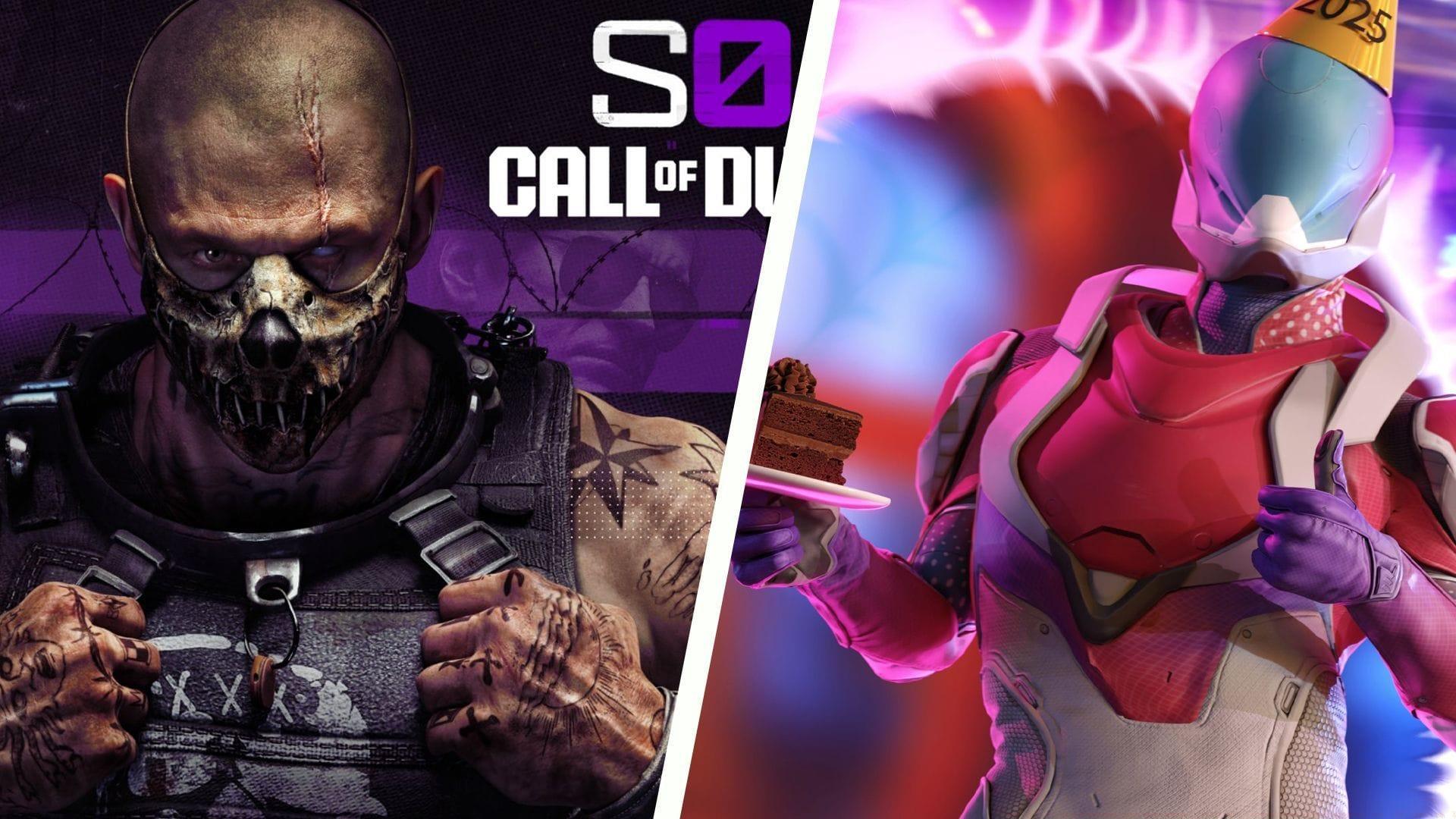
Splitgate 2’s launch has generated substantial buzz in gaming circles, though the excitement has been tempered by an unexpected social media storm. The controversy ignited during Summer Game Fest 2025 when Ian Proulx, CEO of 1047 Games, unveiled Splitgate 2 alongside its innovative Battle Royale mode. During his presentation, Proulx sported headwear bearing the slogan Make FPS Great Again, while detailing the development team’s creative vision and design philosophy behind the new installment.
Although the initial social media response was quickly removed, vigilant community members captured screenshots that rapidly circulated across gaming platforms. This digital preservation ensured the controversy gained momentum, setting the stage for an ongoing dialogue between Splitgate 2 enthusiasts and the Call of Duty community about the future direction of first-person shooters.
For gamers seeking additional entertainment between FPS sessions, numerous puzzle options await. Consider exploring the latest NYT Mini Crossword Answers, LA Times Crossword Answers, and Atlantic Crossword Answers for mental challenges of a different variety.
The Price Controversy: Microtransaction Debates
The social media dispute extended well beyond the initial headwear controversy. Call of Duty enthusiasts expressed significant discontent regarding the Make FPS Great Again cap worn by the CEO, characterizing the statement as both disrespectful to established FPS franchises and potentially hypocritical given subsequent revelations. Community scrutiny quickly identified what many considered exorbitant pricing for Splitgate 2’s cosmetic offerings.
The Nano Swarm Bundle emerged as the primary focus of community criticism, with its original $145 price point generating widespread discussion about microtransaction ethics in modern gaming. Even the discounted launch price of $80 failed to appease many players, who compared these costs to industry standards and competing titles’ pricing structures.
This pricing controversy highlights an important consideration for FPS gamers: understanding value propositions across different titles. When evaluating in-game purchases, experienced players recommend comparing content depth, cosmetic quality, and developer support against price points. Many successful FPS veterans suggest waiting for community feedback and detailed content reviews before committing to premium bundles, as early adoption can sometimes lead to buyer’s remorse when better value options emerge post-launch.
Community Response and Resolution
The development team’s response to the controversy demonstrated effective community management strategies. Their acknowledgment of community concerns and subsequent communication efforts resonated positively with the gaming audience. Even prominent Call of Duty fan communities recognized the value of this transparent approach, with @ModernWarzone—one of the most influential Call of Duty information sources—publicly praising the developer’s response as exemplary community engagement that players appreciate witnessing.
This incident provides valuable lessons for gaming companies navigating social media controversies. The most effective responses typically involve prompt acknowledgment, transparent communication about concerns, and demonstrated willingness to consider community feedback. Companies that master this balance often turn potential public relations crises into opportunities for building stronger player relationships and demonstrating commitment to their community.
Strategic Insights for FPS Gamers
Regardless of the nature of attention—positive or critical—this high-profile controversy has positioned Splitgate 2 for potential player count growth during its crucial launch period. The gaming community will closely monitor whether this social media feud translates into increased engagement metrics and sustained player retention beyond the initial curiosity phase.
The first-person shooter landscape has unquestionably become more dynamic and competitive as a result of these developments. For players navigating this evolving ecosystem, several strategic considerations emerge: monitor developer communication patterns for insight into long-term support commitment, evaluate cosmetic pricing against gameplay value rather than hype alone, and consider community sentiment as an indicator of game health and longevity.
Seasoned FPS participants understand that such controversies often reveal deeper industry trends. The tension between established franchises and emerging competitors frequently drives innovation and improved player value. Observant gamers can leverage these industry dynamics to make informed decisions about where to invest their time and resources based on developer responsiveness, community engagement quality, and long-term content roadmap transparency.
No reproduction without permission:GameCDjnh » “Which Call of Duty does your team make again”: Splitgate 2 social media team responds to COD dev on X Understanding the Splitgate 2 vs Call of Duty social media feud and what it means for FPS gamers