
How Splitgate 2 developers addressed community backlash over $80 skin bundles and lessons for gamers
The Launch Day Controversy That Shook Splitgate 2
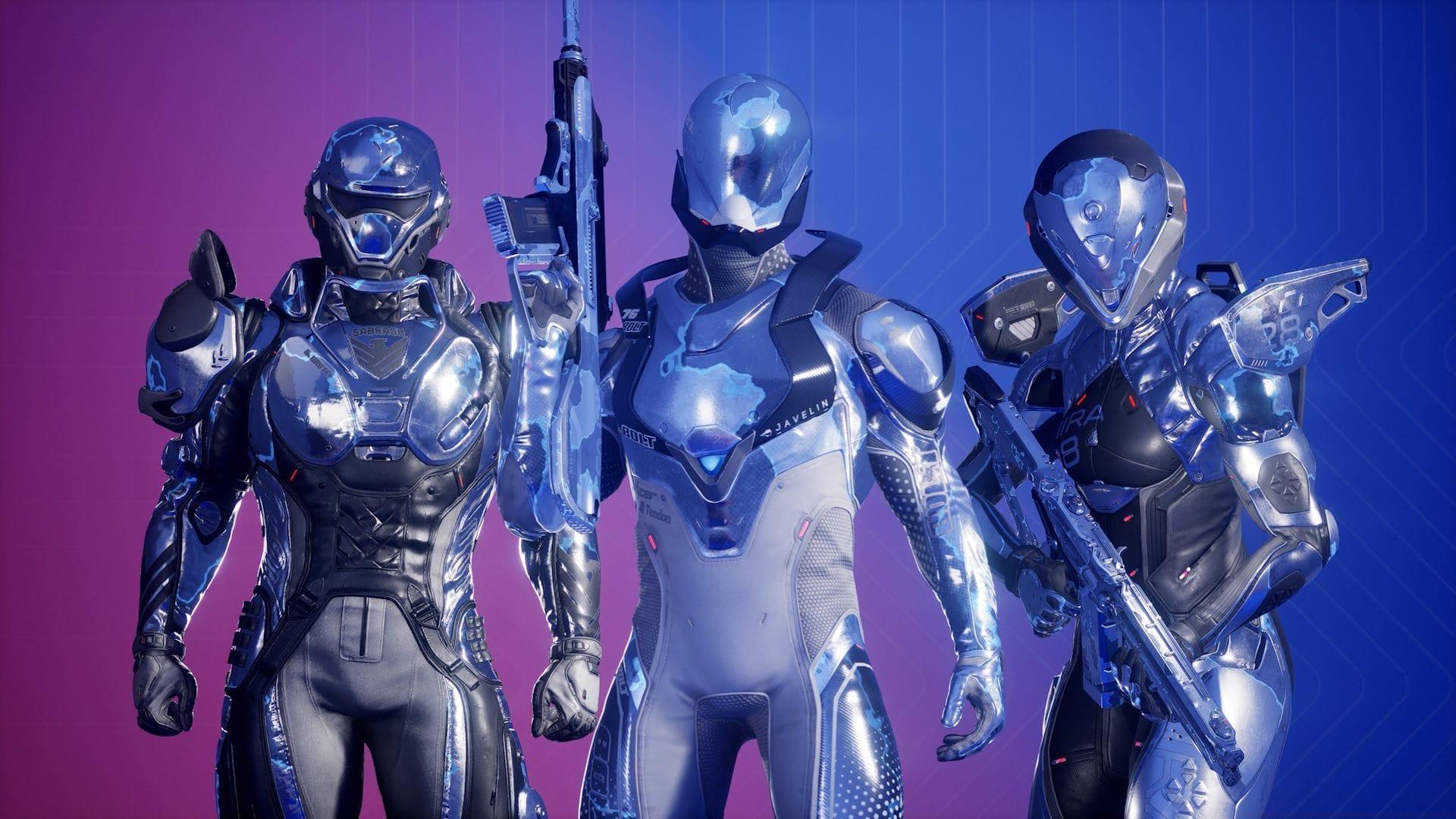
Splitgate 2’s debut on June 6, 2025, arrived with unexpected turbulence that overshadowed its gameplay innovations. Mere hours following its Summer Game Fest 2025 unveiling, discussions rapidly shifted from the game’s portal-based mechanics to mounting concerns about its monetization approach.
The controversy demonstrates a critical lesson for game developers: community trust can be jeopardized within hours if pricing strategies appear exploitative. Players immediately began comparing the cosmetic costs to full-priced AAA titles, creating negative momentum that threatened to define the game’s early reception.
Understanding the Nano Swarm Bundle Pricing Structure
Social media platforms, particularly X (formerly Twitter), became ground zero for player discontent as screenshots of the Nano Swarm Bundle circulated widely. This cosmetic package initially carried a discounted price tag of 8,000 Splitcoins, equivalent to approximately $80 USD—a figure that sparked immediate comparisons to complete gaming experiences.
What many players failed to consider initially was the bundle’s actual content scope and potential long-term value. Unlike many cosmetic offerings, the Nano Swarm Bundle included multiple weapon skins, character customization options, and exclusive visual effects that typically would be sold separately in other games.
The psychology behind cosmetic pricing often follows prestige positioning strategies, where developers create tiered offerings to cater to different spending thresholds. However, the immediate visibility of such a high-priced item at launch created perception issues that overshadowed its actual value proposition.
Developer Response and Damage Control Strategy
1047 Games executed one of the swiftest course corrections in recent gaming history by reducing the Nano Swarm Bundle to 4,000 Splitcoins ($40) and implementing automatic refunds for early adopters. This decisive action demonstrated remarkable sensitivity to community feedback and established a new benchmark for responsive publisher behavior.
The refund mechanism itself represented a significant logistical undertaking, requiring coordination between payment processors, platform holders, and player accounts. Players who purchased at the original price received their 4,000 Splitcoin difference automatically, eliminating the need for manual support tickets or complicated claim processes.
Community sentiment transformed dramatically following the announcement, with previously critical players praising the developer’s transparency and willingness to acknowledge pricing missteps. This case study in damage control highlights how swift, generous responses can convert critics into advocates when handled correctly.
Gaming Industry Microtransaction Lessons Learned
The Splitgate 2 pricing controversy offers several crucial takeaways for both developers and players. For studios, it underscores the importance of beta testing monetization strategies with focus groups and carefully considering how price points will be perceived at launch versus later in the game’s lifecycle.
Players can learn to evaluate cosmetic bundles based on actual content rather than sticker shock, while also recognizing that collective feedback through proper channels can effect meaningful change. The incident also demonstrates that not all high-priced cosmetics represent poor value—context and content matter significantly.
Common mistakes in similar situations include developers doubling down on controversial pricing or delaying responses until negative sentiment solidifies. The optimal approach involves rapid assessment, transparent communication, and tangible corrective action that demonstrates respect for the player community.
Future Implications for Splitgate 2 and Gaming
This pricing episode’s long-term impact on Splitgate 2 remains uncertain but reveals fascinating dynamics about modern gaming communities. The swift resolution may actually strengthen player loyalty, as communities often develop deeper connections with developers who demonstrate responsiveness to feedback.
The gaming industry as a whole continues grappling with optimal monetization strategies that balance revenue needs with player satisfaction. As live service models evolve, incidents like the Nano Swarm Bundle controversy provide valuable data points about consumer tolerance thresholds and the economic viability of various pricing approaches.
For ongoing coverage of Splitgate 2 developments and gaming industry analysis, stay tuned to our regular updates. The relationship between developers and players continues evolving, with transparency and communication becoming increasingly valuable currencies in themselves.
Further reading on gaming economies:
No reproduction without permission:GameCDjnh » Splitgate 2 microtransaction controversy explained How Splitgate 2 developers addressed community backlash over $80 skin bundles and lessons for gamers