
CS2’s new Trade Protection system provides seven-day security window for skin recovery and scam prevention
Understanding the Trade Protection Revolution
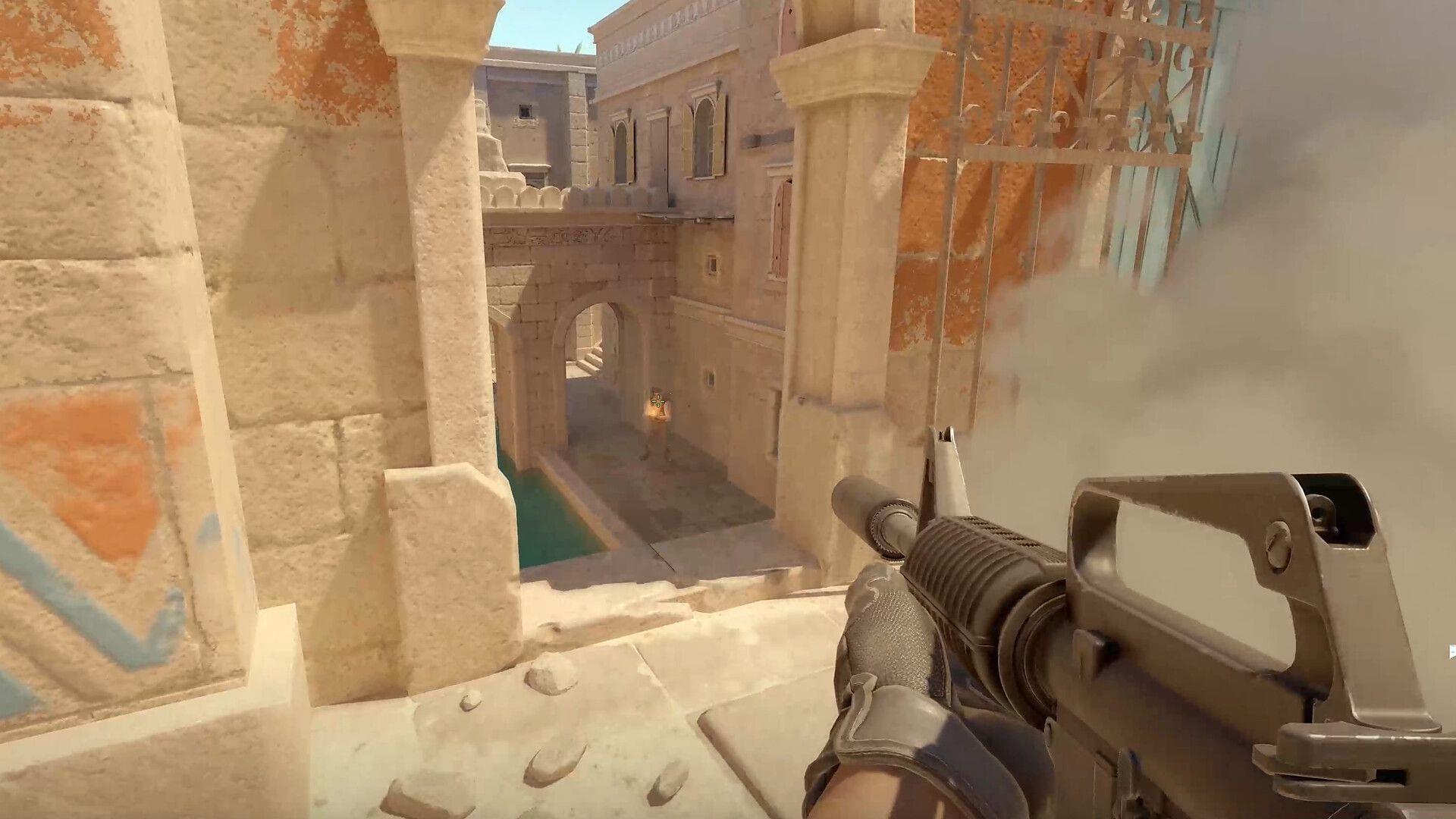
Valve has fundamentally transformed the Counter-Strike 2 trading landscape with its groundbreaking Trade Protection system. This security enhancement arrives at a critical juncture for the CS2 community, where skin trading has evolved into a multi-billion dollar ecosystem recently surpassing the $5 billion valuation milestone. The sheer scale of this virtual economy has unfortunately attracted sophisticated scamming operations and account compromise attempts, creating urgent demand for enhanced protective measures.
The escalating security concerns within the trading community prompted Valve to develop this comprehensive safeguard mechanism. Unlike traditional support-based recovery methods that often involved lengthy wait times and complex verification processes, the new system empowers players with direct control over their digital assets. This represents a significant shift in how trading security is managed within the Steam ecosystem.
How Trade Protection Works in Practice
The core mechanism of Trade Protection revolves around a strategically designed seven-day security window following each transaction. During this critical period, all traded items receive a special Trade Protected designation that prevents any further modification or transfer to third parties. This creates an essential cooling-off period that allows legitimate owners to detect and respond to unauthorized activities before permanent loss occurs.
This protective feature becomes particularly valuable when players encounter malware infections, phishing attempts, or account hijacking incidents. Under these circumstances, victims now have exactly 168 hours to reclaim their valuable skins through trade reversal. The system automatically removes the protection tag after the seven-day duration expires, restoring normal trading functionality while maintaining transaction history for audit purposes.
Currently, this innovative protection system exclusively covers Counter-Strike 2 virtual items, reflecting the game’s dominant position in the cosmetic skin marketplace and its disproportionately high scam incident rate. Valve has indicated potential expansion to other titles in future updates, but for now cross-game trading involving protected CS2 items remains strictly prohibited to maintain system integrity.
Step-by-Step Recovery Process
Recovering compromised items through the Trade Protection system requires no external support intervention, representing a major improvement in user experience. The entirely self-service approach begins by navigating to your Steam Trade History interface, where all recent transactions display clear protection status indicators. This transparency enables quick identification of suspicious activities requiring immediate attention.
Within the Trade History dashboard, locate the specific transaction containing your protected items and select the reversal option. The system will guide you through a straightforward verification process to confirm ownership and intent. Successful reversals typically process within minutes, automatically returning items to their original inventory positions while notifying the other trading party about the cancellation.
It’s crucial to understand that this protective measure only applies to trades completed after the system’s implementation. Valve explicitly states that historical transactions occurring before the update cannot be retroactively protected or reversed. This limitation underscores the importance of implementing complementary security measures alongside relying on the protection system.
Advanced Protection Strategies
While the Trade Protection system provides essential security foundations, sophisticated traders should implement additional safeguards to maximize account protection. Begin by enabling Steam Guard mobile authenticator, which adds critical two-factor authentication to all trade confirmations. Regularly monitor your API key permissions and revoke access for unfamiliar applications that might compromise account security.
Avoid common pitfalls like clicking suspicious trade offers from unknown parties or downloading unverified trading applications. Scammers frequently employ social engineering tactics that bypass technical protections, making user awareness equally important as system safeguards. Always verify trade partner identities through multiple communication channels before proceeding with high-value transactions.
Looking ahead, Valve’s commitment to expanding this protection framework suggests potential integration with additional Steam games and enhanced feature sets. The current CS2-exclusive implementation serves as a testing ground for refining the technology before broader deployment. Stay informed about upcoming security enhancements through official Steam community announcements and developer updates.
Read more articles here:
No reproduction without permission:GameCDjnh » Trade Protected Items in CS2 explained CS2's new Trade Protection system provides seven-day security window for skin recovery and scam prevention