
Monster Hunter Stories 3 evolves from manga-style action to cinematic RPG with enhanced strategic combat
Introduction: A New Vision for Monster Hunter Stories
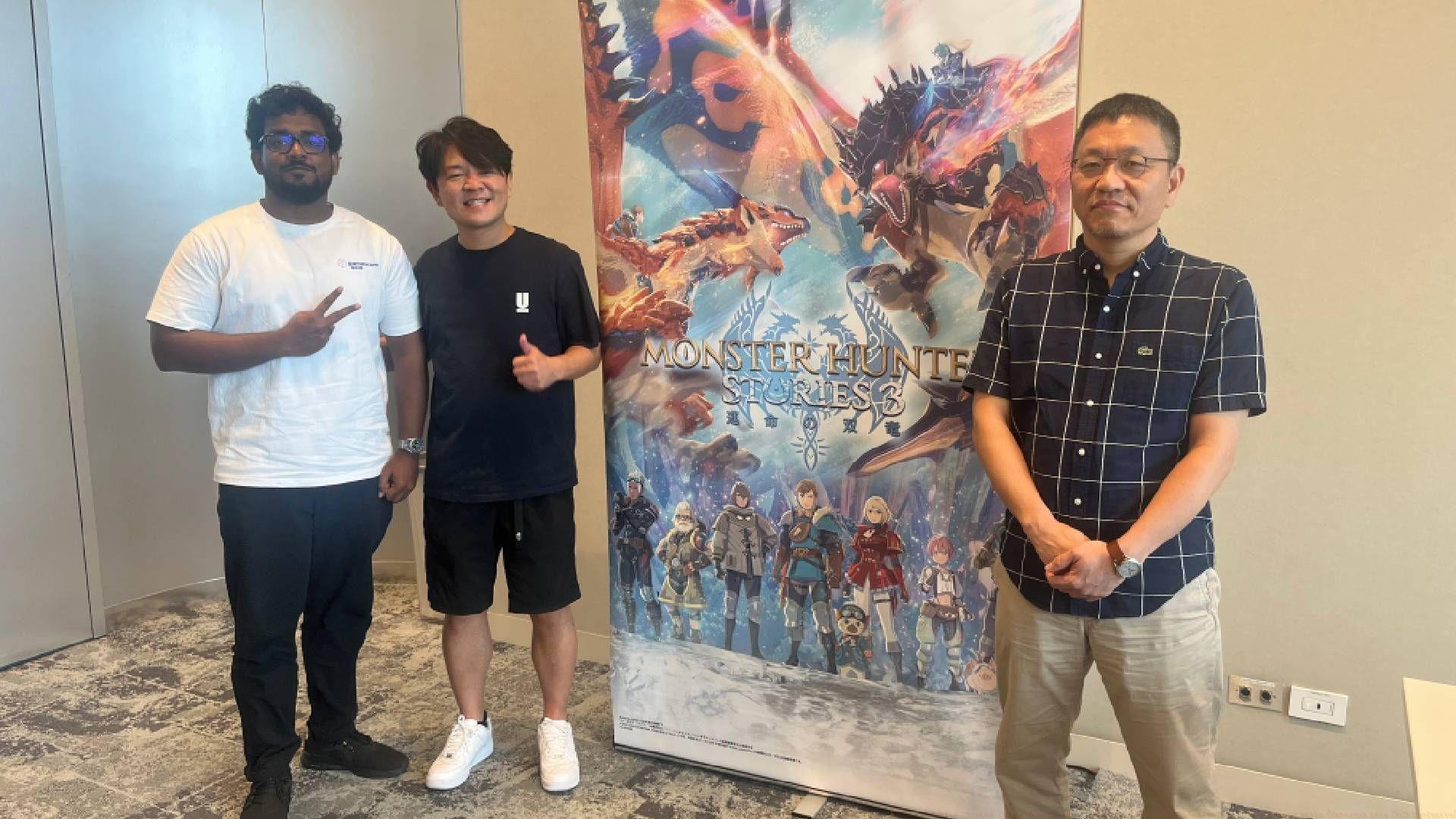
As Monster Hunter Stories 3 approaches its anticipated launch, I had the opportunity to speak with key developers Ryozo Tsujimoto (Producer) and Takahiro Kawano (Art Director) during Gamescom Asia 2025. This exclusive interview followed my hands-on gameplay session, where I experienced approximately 20 minutes of the upcoming title’s core mechanics and visual presentation.
For those preparing their hunting strategies, understanding the monster roster is crucial – explore the complete Monster Hunter Wilds monster lineup to anticipate future encounters!
Drawing from extensive experience with Monster Hunter World and the upcoming Wilds, I specifically questioned whether Monster Hunter Stories 3 would maintain the franchise’s signature environmental richness and biological diversity. Kawano confidently confirmed that players can anticipate the same meticulous attention to ecological detail, emphasizing that fans “should expect” comprehensive natural world building with nuanced environmental storytelling.
Artistic Direction: From Manga to Movie
Tsujimoto provided fascinating insights about the series’ artistic evolution, describing the first two Monster Hunter Stories titles as embodying the energetic, action-focused spirit of Shonen manga. However, Monster Hunter Stories 3 represents a significant creative shift toward cinematic storytelling and animation quality that transcends traditional manga influences.
The development team has deliberately crafted Monster Hunter Stories 3 to feel more like an immersive movie experience, with enhanced narrative depth and refined visual presentation. According to Tsujimoto’s statements (via translator), every aspect of the game has been meticulously refined to achieve a more epic scale and emotional impact.
This cinematic approach extends to environmental design, where Kawano’s team has implemented advanced rendering techniques to create more dynamic ecosystems. The flora and fauna interact more naturally, weather patterns affect creature behavior, and lighting systems enhance the emotional tone of each location, creating a living world that responds to player actions.
Combat Evolution: Strategic Depth and RPG Mechanics
My demonstration session culminated in an extended battle against a Feral Chatacabra that required careful strategy and resource management to overcome. This encounter highlighted the game’s sophisticated JRPG elements and strategic combat systems, particularly the implementation of the Stamina Gauge mechanic that adds tactical depth to every engagement.
While Monster Hunter Stories 3 maintains its distinct identity separate from the main Monster Hunter series, it introduces combat systems that demand thoughtful planning and execution. The Stamina Gauge requires players to balance aggressive offense with defensive positioning, creating rhythmic combat patterns that reward strategic timing over brute force.
The Feral Chatacabra encounter demonstrated several advanced mechanics: environmental interaction opportunities, stamina-dependent special attacks, and monster behavior patterns that change based on health thresholds. Success required observing attack telegraphs, managing stamina reserves for critical dodges, and exploiting elemental weaknesses through carefully timed counter-attacks.
Advanced Gameplay Strategies and Common Pitfalls
Strategic Combat Optimization: Master the stamina management system by alternating between light and heavy attacks to maintain pressure while preserving dodge capabilities. Time your power moves when the gauge is above 50% to ensure emergency evasion options remain available.
Common Beginner Mistakes: Many players exhaust their stamina early by spamming special attacks, leaving them vulnerable during critical monster enrage phases. Instead, maintain at least 30% stamina for defensive maneuvers and learn monster attack patterns to identify safe engagement windows.
Advanced Tactical Approaches: Utilize environmental elements during battles – certain terrain features can be exploited to create temporary advantages. Position monsters near destructible objects or hazardous areas to trigger additional damage opportunities while conserving your resources.
Resource Management Strategy: Balance your item usage throughout extended encounters. Consumables that restore stamina should be reserved for emergency situations, while health items should be used proactively before reaching critical health thresholds.
No reproduction without permission:GameCDjnh » Monster Hunter Stories 3 will be more “epic”: Ryozo Tsujimoto and Takahiro Kawano on upcoming title [Gamescom Asia 2025 Exclusive] Monster Hunter Stories 3 evolves from manga-style action to cinematic RPG with enhanced strategic combat