
Understanding Valve’s fan-project policies and protecting community creations in Counter-Strike ecosystem
The Current Landscape of Counter-Strike Fan Projects
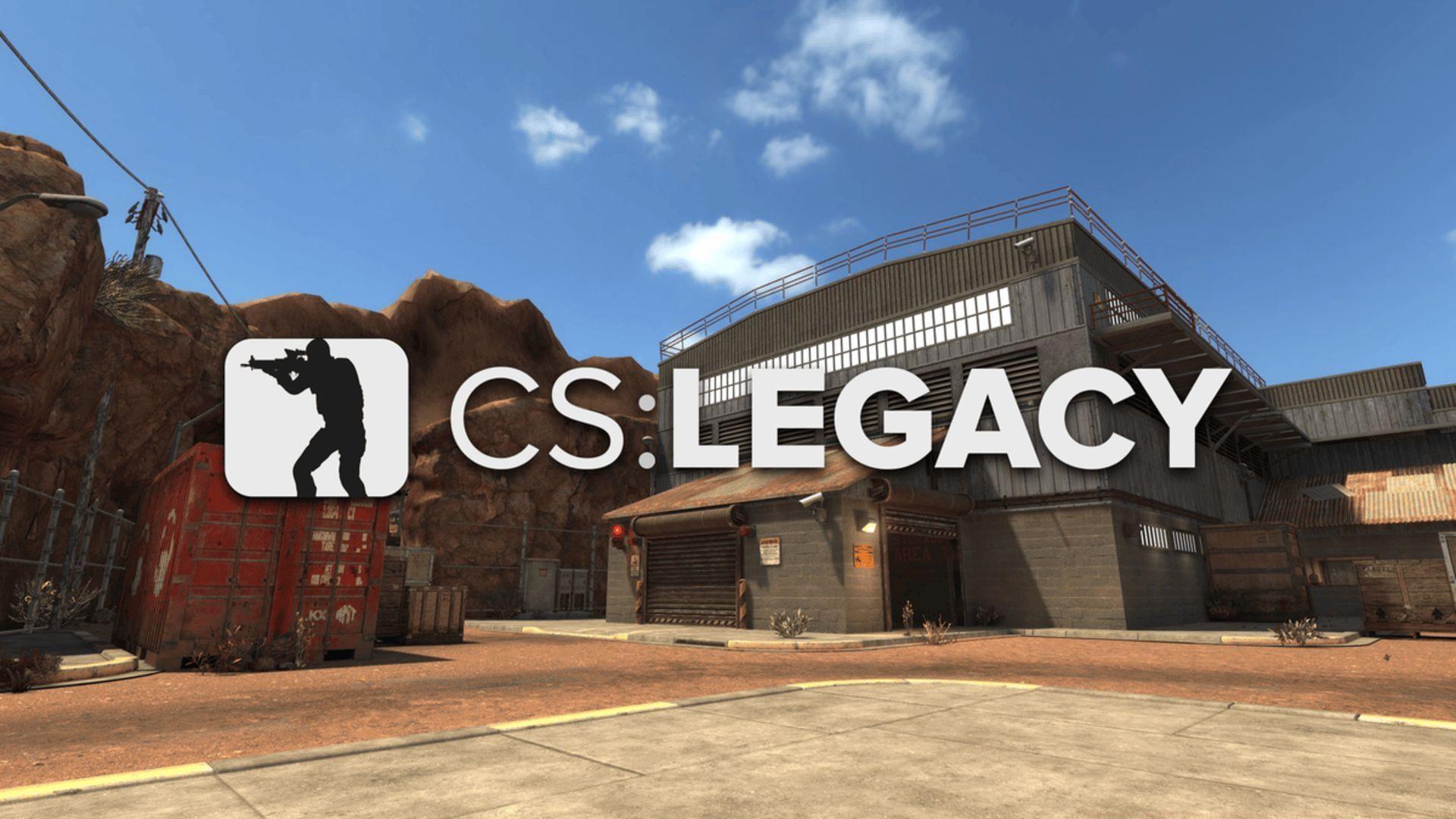
The Counter-Strike modding community faces unprecedented scrutiny following Valve’s decisive action against Classic Offensive. This fan-created modification received an abrupt cease and desist directive, immediately terminating its development and distribution. This enforcement action has generated widespread apprehension throughout the global Counter-Strike player base, with content creators questioning the security of their own community-driven initiatives.
For gaming enthusiasts seeking alternative entertainment, crossword puzzles offer engaging mental challenges. Discover current solutions for NYT Mini Crossword, LA Times Crossword, and Atlantic Crossword puzzles.
CS Legacy’s Legal Position and Communication Strategy
The CS Legacy development team has implemented comprehensive protective measures to ensure project longevity. They’ve verified that all graphical assets, code implementations, and audio components originate from original creations rather than repurposed Valve intellectual property. Maintaining open dialogue channels with Valve’s legal and development teams provides crucial oversight and guidance.
Critical to their defense strategy is the Source SDK licensing framework, which has maintained consistent terms since its February 2025 update. This legal stability suggests that if intellectual property violations existed, formal notifications would have been issued during the compliance review period. The development team’s proactive approach to legal compliance demonstrates sophisticated understanding of digital rights management in gaming modifications.
Risk Assessment and Future Project Protection
Current analysis suggests CS Legacy operates within acceptable legal parameters, yet the Classic Offensive precedent demonstrates Valve’s capacity for rapid policy enforcement shifts. Despite the project’s non-commercial distribution model and apparent compliance with existing frameworks, unpredictable legal challenges remain possible. The gaming community must recognize that intellectual property protection often supersedes development intentions.
Community project developers should implement rigorous asset auditing processes, maintain detailed development documentation, and establish transparent communication with platform holders. Regular legal consultations and community guideline reviews provide essential protection against unexpected enforcement actions. Understanding the distinction between transformative works and derivative content becomes crucial for project survival.
Practical Guide for Fan Project Developers
Essential Reading for Gaming Enthusiasts:
- s1mple’s surprising transition to FaZe Clan before CS2 Austin Major represents major roster evolution
- CS2 cosmetic economy achieves remarkable $5 billion valuation milestone
- Complete team roster and viewing guide for CS2 IEM Dallas 2025 championship
Successful fan project development requires meticulous planning and legal awareness. Begin with comprehensive asset creation protocols ensuring all visual and audio elements demonstrate clear originality. Establish documented communication channels with intellectual property holders before public release. Implement community feedback systems that allow rapid response to copyright concerns. Regular legal compliance audits and transparent development logs provide essential protection against enforcement actions while building community trust.
No reproduction without permission:GameCDjnh » Is CS Legacy shutting down? Everything about Valve’s cease and desist situation explained Understanding Valve's fan-project policies and protecting community creations in Counter-Strike ecosystem