
TL;DR
- Master gear rarity system: Common to Legendary with distinct stat progression
- Unlock Occultist at level 20 for aspect imprinting and build customization
- Optimize salvaging for maximum resource yield and inventory efficiency
- Strategic gem upgrading provides significant stat boosts for endgame content
- Legendary items drop from dungeons, world events, and boss encounters
- Regular maintenance prevents costly repairs and ensures combat readiness
With Diablo 4’s official launch, players face the critical challenge of optimizing their equipment progression. Understanding the comprehensive gear enhancement ecosystem is essential for tackling the game’s escalating difficulties. This guide delivers actionable strategies for maximizing your character’s potential through systematic gear improvement methodologies.
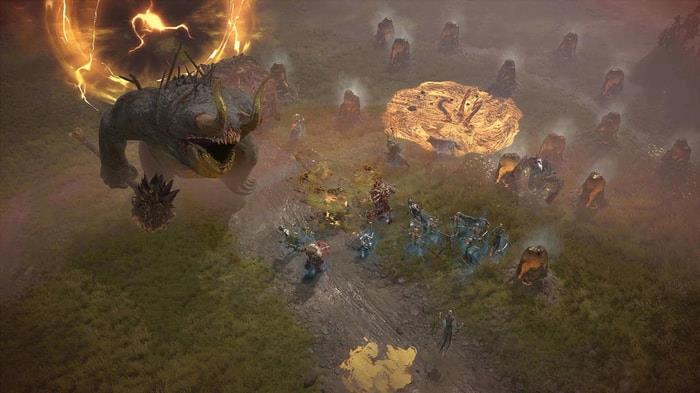
Equipment advancement serves as the cornerstone of character progression in Diablo 4’s challenging endgame environment. New players often struggle with the complexity of upgrade systems, but mastering these mechanics transforms your combat effectiveness dramatically.
The gear rarity hierarchy comprises three primary classifications: Common (white), Magic (blue), and Legendary (orange). Each tier represents significant stat improvements, with Legendary items offering unique affixes that can redefine your build’s capabilities.
Strategic focus on Magic and Legendary equipment acquisition becomes essential around level 50, as these items provide the statistical foundation necessary for conquering World Tier 3 and beyond. Even common items with optimal stat rolls can outperform poorly-rolled higher rarity gear in specific scenarios.
Advanced players should prioritize items with complementary affix combinations rather than simply chasing the highest rarity. Understanding stat weighting and breakpoints allows for more effective gear selection and upgrade prioritization.
Four core enhancement methods form the upgrade ecosystem: Enchanting modifies existing affixes, Augmenting enhances base stats, Socketing adds gem bonuses, and Forging creates new equipment from raw materials.
Resource management proves critical for sustained progression. Efficient material gathering through systematic salvaging and strategic world exploration ensures you maintain upgrade momentum throughout your journey.
Early gear acquisition often yields suboptimal items, but the Occultist specialist provides sophisticated customization options once unlocked. This NPC becomes accessible after completing the Prologue campaign segment or reaching character level 20, whichever occurs first.
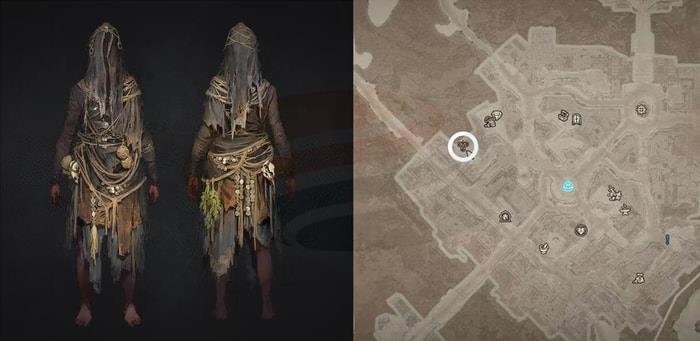
The Occultist enables two transformative processes: affix modification through enchantment and Legendary Aspect application via imprinting. These mechanics allow for precise build tuning and specialization.
Legendary Aspects represent powerful modifiers that can be extracted from dungeon completions or salvaged Legendary items. Systematic dungeon clearing provides the most reliable Aspect acquisition method.
Aspect imprinting occurs through the Codex of Power interface, permanently overwriting existing affixes on the target item. Careful planning is essential, as this process cannot be reversed once completed.
Strategic consideration should be given to Aspect compatibility with your chosen skill tree and playstyle. Some Aspects synergize exceptionally well with specific class abilities, creating powerful combinations that dramatically enhance combat effectiveness.
Common imprinting mistakes include using valuable Aspects on low-level gear and failing to consider long-term build evolution. Advanced players recommend reserving premium Aspects for ancestral items in World Tier 4.
For players seeking comprehensive guidance on character development, our Class Guide provides detailed specialization strategies.
Salvaging serves as the primary resource generation mechanism for gear enhancement in Diablo 4. This systematic deconstruction process converts unwanted equipment into essential crafting materials for subsequent upgrades.
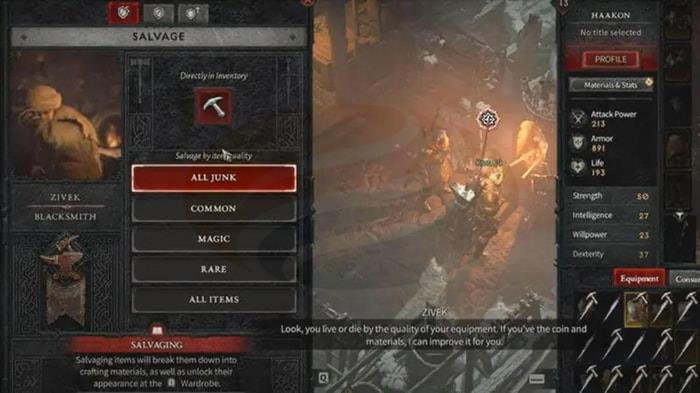
The salvaging process initiates at any settlement’s Blacksmith, where the dedicated Salvage tab provides inventory management options. Players can selectively salvage specific items or use bulk operations for efficiency.
Interface options include salvaging all junk-categorized items, or filtering by rarity: standard (white), magic (blue), rare (yellow), or comprehensive selections.
The pickaxe icon enables manual item selection for players preferring precision over automation. This approach proves valuable when preserving specific affixes or managing limited inventory space.
Resource yield directly correlates with item rarity, with Legendary equipment providing the most substantial material returns. Strategic salvaging decisions should consider both immediate resource needs and long-term upgrade requirements.
Advanced salvaging strategies involve hoarding lower rarity items until material shortages occur, then processing them in bulk to maintain consistent upgrade momentum.
Regular salvaging maintains material flow while managing inventory constraints. Most experienced players recommend salvaging sessions after every major dungeon clear or world event completion.
Gem optimization represents one of the most impactful equipment enhancement methods in Diablo 4’s progression system. Strategic socketing provides substantial stat amplification that scales effectively into endgame content.
The Jeweler’s Upgrade Gems interface displays your complete gem inventory, enabling systematic quality improvements. Each upgrade tier requires specific gem combinations and material investments.
Gem enhancement follows a progressive tier system, with each upgrade significantly boosting the gem’s statistical contribution. Higher-tier gems provide exponential benefits but demand substantial resource commitments.
All gem-related services—including upgrades, socket removal, and socket addition—require both gold currency and rare crafting materials. Complete gem optimization represents a major economic investment that should be planned across multiple gameplay sessions.
The Jeweler also provides gem extraction services for recovering valuable socketed gems, plus socket addition for items lacking this capability. These services enable comprehensive gear customization through strategic gem placement.
Strategic gem management involves prioritizing upgrades based on your current build requirements and available resources. Many players overlook that gem removal costs scale with gem quality, making strategic socket planning essential for economic efficiency.
Securing rare and legendary equipment constitutes a fundamental gameplay pillar in Diablo 4. These premium items feature superior statistics and unique affixes that enable advanced build specializations.
Exploring Dungeons and World Events
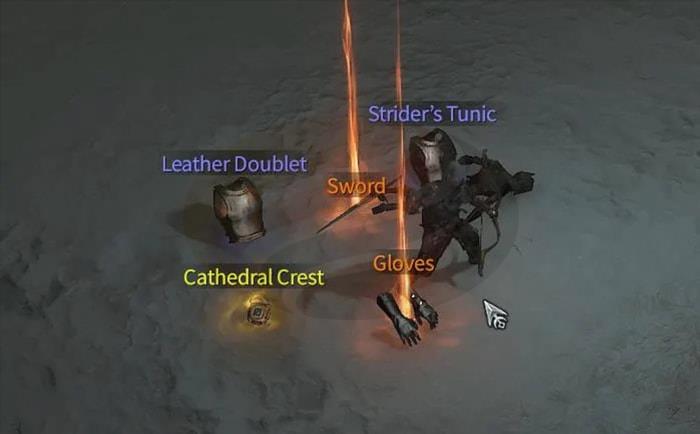
Dungeon exploration and world event participation represent the primary methods for obtaining unique and legendary equipment. Comprehensive area coverage and consistent event engagement maximize your drop potential across all content types.
Boss encounters provide exceptional opportunities for high-tier loot acquisition, with difficulty levels directly correlating with reward quality. Successfully challenging these powerful foes demands optimized builds and strategic combat approaches.
For players seeking comprehensive weapon strategies, our Weapons Unlock guide offers detailed acquisition methodologies.
Obtaining from Bounty and Adventure Modes
Bounty and Adventure game modes present structured pathways to legendary equipment through objective completion and activity participation.
Trading and Purchasing
Player trading and vendor purchases offer alternative acquisition methods for specific item needs. Exercise caution in trading environments and verify item authenticity before committing to transactions.
Legendary item acquisition combines systematic exploration, consistent event participation, and strategic RNG optimization. Persistent engagement across multiple content types ensures consistent progression toward optimal gear configurations.
Diablo 4’s hostile environments gradually degrade equipment durability through combat encounters. Regular maintenance prevents performance degradation and ensures combat readiness.
The Blacksmith’s Repair interface provides two maintenance options: fixing currently equipped items or addressing all inventory equipment simultaneously.
Repair costs remain economically accessible throughout the game, requiring only gold currency without additional material components. Cost scales with damage extent, making preventative maintenance more cost-effective than extensive repairs.
Advanced players recommend establishing repair checkpoints after major encounters or when durability drops below 30%.
For comprehensive gameplay guidance, our Complete Guide offers comprehensive system explanations.
Systematic gear maintenance represents a fundamental aspect of character management that directly impacts combat performance and economic efficiency.
Action Checklist
- Unlock Occultist at level 20 for aspect customization and build optimization
- Systematically salvage unwanted gear after each major activity session
- Prioritize Magic and Legendary item acquisition through dungeon exploration
- Implement strategic gem upgrading focusing on your primary stat requirements
- Establish regular repair checkpoints to maintain equipment durability above 70%
No reproduction without permission:GameCDjnh » The Ultimate Guide to Upgrading Gear in Diablo IV Master Diablo 4 gear progression with advanced optimization strategies and practical upgrade techniques