
TL;DR
- Each class offers distinct combat roles: Barbarian for frontline dominance, Sorceress for ranged devastation, Druid for tactical versatility, and Rogue for precision execution
- Resource management and skill synergy are more critical than raw damage numbers for long-term success
- Your preferred playstyle should dictate class choice, not perceived meta performance
- Advanced players should focus on mastering one specialization rather than spreading skill points thinly
- Group composition significantly impacts class effectiveness in endgame content
Diablo 4 represents the evolution of action RPG gaming, building upon decades of franchise legacy while introducing revolutionary class mechanics. The class you select fundamentally shapes your entire gameplay journey, from combat approach to progression strategy.
Strategic class selection becomes paramount in Diablo 4, where each character archetype offers unique tactical advantages and specialized gameplay loops. Mastering your chosen class requires understanding not just abilities but underlying systems governing combat efficiency.
Barbarian: The Unstoppable Force
Barbarians embody relentless aggression, specializing in sustained close-quarters combat with exceptional survivability. Their Fury resource system rewards continuous engagement, building momentum through successive attacks. Advanced Barbarian tactics involve managing multiple weapon expertise systems and timing berserker states for maximum damage windows.
Sorceress: Elemental Powerhouse
Sorceresses command devastating elemental forces through precise mana management and strategic positioning. Their glass cannon nature demands superior situational awareness, as positioning errors often prove fatal at higher difficulty levels.
Druid: Master of Transformation
Druids offer unparalleled tactical flexibility through shapeshifting mechanics that adapt to combat scenarios. Their spirit resource system enables seamless transitions between animal forms, each offering distinct combat advantages and tactical applications.
Rogue: Tactical Specialist
Rogues excel at precision combat, utilizing stealth mechanics and positional advantages to control engagements. Their energy system enables rapid skill execution but requires careful pacing to avoid resource exhaustion during critical moments.
Each class features sophisticated mechanical systems that reward mastery and strategic planning. Understanding these underlying systems proves more valuable than simply memorizing skill combinations.
- Barbarian: Weapon expertise system, fury generation mechanics, damage reduction stacking, and crowd control immunity timing.
- Sorceress: Elemental synergy principles, mana regeneration optimization, critical hit mechanics, and defensive cooldown management.
- Druid: Form-switching cooldowns, spirit cost reduction strategies, and hybrid build potential.
- Rogue: Combo point mechanics, positional damage bonuses, stealth duration management, and trap placement optimization.
Combat role specialization becomes increasingly important in endgame content. Tanks require specific damage mitigation stacking, while damage dealers must optimize their rotation efficiency. Support specialists focus on crowd control timing and buff management.
Resource management represents the most overlooked aspect of class performance. Barbarians must maintain fury generation through continuous combat, while Sorceresses need to balance mana expenditure with regeneration rates.
Effective class selection involves systematic evaluation of multiple factors beyond surface-level preferences. This framework ensures alignment between your natural playstyle and chosen character capabilities.
1. Playstyle Assessment: Analyze your combat preferences: aggressive engagement versus tactical positioning, burst damage versus sustained pressure, and solo independence versus team synergy.
2. Role in Group Play: Consider your preferred team contribution: frontline anchoring, backline devastation, tactical control, or adaptive support.
3. Progression Planning: Evaluate long-term development paths, considering how each class scales with gear and skill investment through different game phases.
4. Skill Ceiling Evaluation: Assess the learning curve and mastery potential of each class, considering both mechanical complexity and strategic depth.
Personal preference remains the ultimate deciding factor, but informed preference stems from understanding each class’s capabilities and limitations.
Once committed to a class, strategic character building becomes essential for maximizing performance. These proven strategies accelerate progression and optimize combat effectiveness.
1. Skill Selection Philosophy: Prioritize abilities that synergize with your core combat approach while maintaining flexibility for different encounter types.
2. Gear Optimization Framework: Build around legendary affinities and set bonuses that enhance your primary damage sources and survival mechanisms.
3. Combat Role Mastery: Develop deep expertise in your chosen specialization rather than attempting to cover multiple roles inadequately.
4. Defensive Layer Strategy: Implement layered defense systems combining damage reduction, avoidance mechanics, and recovery options appropriate for your class’s inherent durability.
5. Community Learning Integration: Leverage collective knowledge through dedicated class communities while adapting general strategies to your specific playstyle and available gear.
Advanced players should focus on mastering animation canceling, skill rotation optimization, and cooldown synchronization for maximum combat efficiency.
Class selection errors commonly stem from misalignment between player temperament and character mechanics. Understanding these pitfalls prevents frustrating progression plateaus and character abandonment.
The most frequent mistake involves choosing classes based on perceived power rather than gameplay compatibility. Meta builds often require specific playstyles that may not suit your natural combat rhythm.
Underestimating resource management complexity represents another common error. Each class features distinct resource systems that demand different management approaches and combat pacing strategies.
Advanced optimization involves mastering skill priority systems, understanding damage calculation formulas, and optimizing stat distribution for your specific build requirements.
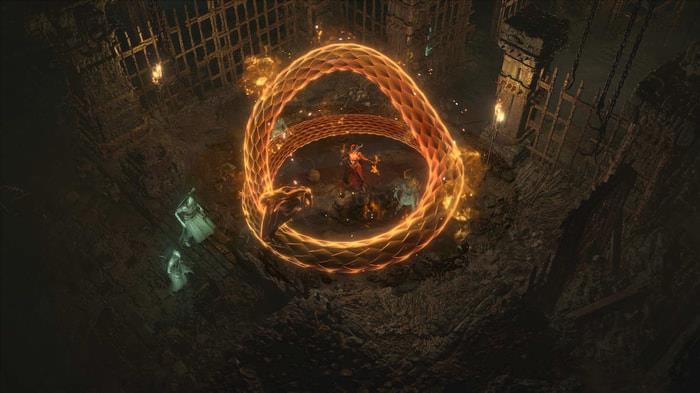
For players seeking comprehensive guidance on character development, our Class Guide provides detailed progression paths for each specialization.
Action Checklist
- Complete playstyle self-assessment: aggressive, tactical, supportive, or adaptive combat preference
- Research each class’s resource management system and combat rhythm requirements
- Test class mechanics during early game or beta access periods
- Analyze long-term progression paths and endgame specialization options
- Join class-specific communities to learn advanced strategies and build optimizations
- Develop your first 20-level build plan before character creation
No reproduction without permission:GameCDjnh » Diablo 4 Classes: Which One Should You Choose? Master Diablo 4 class selection with expert analysis, build strategies, and playstyle optimization tips