
TL;DR
- Path of Exile 2 delivers unparalleled character customization through its intricate skill tree and gem system
- Diablo IV emphasizes cinematic storytelling and responsive hack-and-slash combat mechanics
- PoE 2’s player-driven economy contrasts with Diablo IV’s more traditional loot systems
- Both games feature significant visual upgrades but maintain distinct artistic identities
- Your choice depends on preference for complex theorycrafting vs polished action experience
Action role-playing games continue to evolve dramatically, offering players increasingly sophisticated systems for character development, combat engagement, and world exploration. The imminent releases of Path of Exile 2 and Diablo IV represent watershed moments for the genre, building upon decades of player expectations and technological advancements.
As anticipation builds toward launch dates, gaming communities are actively debating which title will establish new standards for ARPG excellence. This comprehensive analysis examines both games across multiple dimensions including development philosophy, core gameplay loops, narrative approaches, and long-term engagement potential.
We’ll explore the fundamental differences in design philosophy, the evolution of key mechanics from previous installments, and provide actionable insights to help you determine which game aligns with your preferred playstyle.
A Brief Overview of Both Path of Exile 2 & Diablo IV
Path of Exile 2 represents the culmination of Grinding Gear Games’ decade-long refinement of complex ARPG systems. The game inherits its predecessor’s commitment to deep mechanical complexity while addressing accessibility concerns that sometimes hindered new player adoption.
The skill gem system undergoes significant optimization, allowing for more intuitive combinations while preserving the depth that veteran players cherish. New support gem interactions create unprecedented build diversity possibilities that reward creative theorycrafting.
Economic mechanics retain their player-driven nature, with the Divine Orb and other currency items maintaining their crucial role in character optimization and item enhancement strategies.
The sequel introduces a completely redesigned skill tree that reduces initial complexity while maintaining end-game customization depth. This addresses one of the most common criticisms of the original while preserving what made it special.
Diablo IV
Blizzard Entertainment’s Diablo IV marks a deliberate return to the franchise’s darker thematic roots while incorporating modern gameplay innovations. The development team has focused extensively on combat responsiveness and visceral feedback.
The shared open world implementation represents a significant departure from previous installements, creating persistent social experiences while maintaining the series’ signature solo play viability.
Cooperative multiplayer receives substantial enhancements with seamless drop-in/drop-out functionality and shared world events that scale dynamically based on participant count.
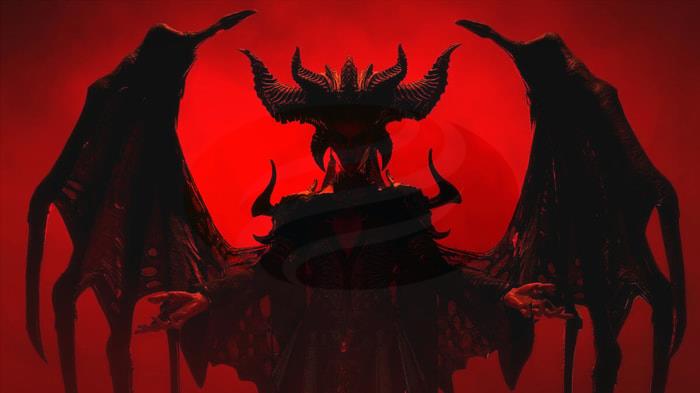
Highlighted Features of Both Games
Critical gameplay differentiators that define each title’s identity
Path of Exile 2
Extensive Character Customization – The passive skill tree contains over 1,400 distinct nodes, enabling hyper-specialized character builds. Strategic planning for pathing through this extensive network represents a core gameplay element that distinguishes PoE 2 from competitors.
Skill Gems and Active Skills – Gem socketing mechanics allow for dynamic skill modification during gameplay. Support gems can fundamentally alter how skills function, creating nearly infinite combinatorial possibilities.
Intricate Economy and Trading – The player-driven economy centers around various currency orbs, each serving specific crafting purposes. Understanding orb values and trading strategies becomes essential for progression.
Dark and Gritty World – Environmental storytelling through detailed world design enhances narrative immersion without relying exclusively on exposition.
Diablo IV
Addictive Loot System – Randomized affixes and legendary powers create compelling loot chase dynamics. Smart loot systems reduce frustration by weighting drops toward your current character specialization.
Hack and Slash Combat – Precise hit detection and responsive controls ensure combat feels impactful and satisfying throughout the gameplay experience.
Randomly Generated Dungeons – Procedural generation algorithms create fresh exploration challenges with each dungeon delve, maintaining long-term engagement through environmental variety.
Cooperative Multiplayer – Seamless social integration allows for organic collaboration while preserving solo play viability through scalable difficulty systems.
Expected Story and Lore of Both Games
Path of Exile 2 advances the narrative timeline by two decades, exploring the consequences of players’ actions from the original game while introducing new narrative threads and character arcs.
Environmental storytelling receives heightened emphasis, with world details revealing narrative elements through visual cues rather than explicit exposition. This approach rewards observant players with deeper lore understanding.
The seven-act structure allows for more deliberate pacing compared to the original’s more episodic narrative delivery.
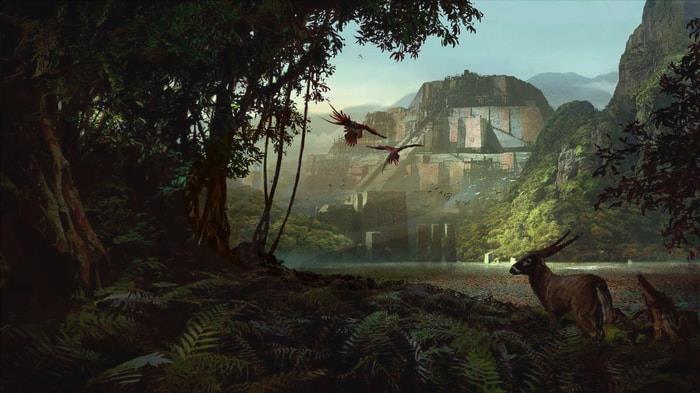
Story Line of Diablo IV
Diablo IV’s narrative represents a tonal shift toward more mature themes and complex character motivations compared to previous series entries.
The eternal conflict between angels and demons receives expanded treatment, exploring philosophical dimensions beyond simple good versus evil dichotomies.
Cinematic storytelling techniques integrate seamlessly with gameplay, avoiding the disruptive pacing issues that sometimes plagued previous cinematic-heavy approaches.
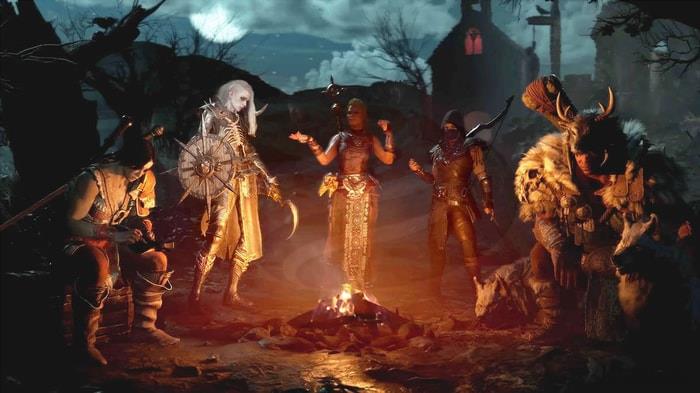
The Enhance Graphics and Realistic Models
Both development teams have invested heavily in next-generation visual technologies while maintaining distinct artistic identities that reflect their respective franchise histories.
In Path of Exile 2
● The upgraded graphics engine delivers substantially improved particle effect systems and dynamic lighting that enhances the atmospheric quality of Wraeclast’s diverse environments.
● Environmental details receive meticulous attention, with weather systems and time-of-day cycles affecting both visuals and gameplay mechanics.
● Character model polygon counts increase by approximately 300% compared to the original game, allowing for more nuanced animation and detailed equipment rendering.
● Texture resolution improvements are most noticeable in close-up camera perspectives during dialogue sequences and inventory inspection.
Diablo IV
● Modern rendering techniques including physically-based rendering and advanced post-processing create a cinematic visual quality throughout the gameplay experience.
● The art direction maintains the series’ signature gothic aesthetic while incorporating more realistic material properties and lighting behavior.
● World density receives significant attention, with environmental storytelling elements integrated into virtually every scene and location.
● Character customization extends to visual appearance with extensive armor dye systems and transmogrification options that allow for personal aesthetic expression.
Conclusion
Choosing between Path of Exile 2 and Diablo IV ultimately depends on your preferred approach to ARPG engagement and the type of gameplay challenges you find most rewarding.
For players who derive satisfaction from complex system mastery and creative theorycrafting, Path of Exile 2 offers unparalleled depth and long-term engagement potential through its constantly evolving meta and player-driven economy.
Diablo IV appeals to those seeking polished, responsive combat and cinematic storytelling within a more accessible framework.
Both games represent significant advancements for the genre, each pursuing distinct design philosophies that cater to different player preferences and engagement patterns.
The ideal choice depends on whether you prioritize endless build customization possibilities or refined action-oriented gameplay experiences.
Action Checklist
- Evaluate your preferred playstyle complexity – deep customization vs streamlined action
- Analyze time investment expectations for character optimization in each game
- Research each game’s post-launch content roadmap and update frequency
- Test gameplay mechanics through available demos or beta access when possible
- Join community discussions to understand evolving meta and player sentiment
No reproduction without permission:GameCDjnh » Upcoming Path of Exile 2 VS Diablo IV Comprehensive comparison of Path of Exile 2 vs Diablo IV covering gameplay, story, graphics and strategic insights