
TL;DR
- Diablo 4 expands the series with open-world exploration and mounted combat mechanics
- Four distinct classes each offer unique playstyles requiring different strategic approaches
- Boss encounters demand adaptive tactics and environmental awareness for success
- Regular equipment upgrades and strategic skill investment are crucial for progression
- Cooperative multiplayer significantly enhances both efficiency and enjoyment
Diablo 4 represents the fourth major chapter in Blizzard’s legendary action RPG franchise, continuing a legacy that began with the original Diablo’s 1997 debut. This iconic series has maintained player engagement through generations by combining intense combat with deep character progression systems and compelling dark fantasy narratives.
Blizzard Entertainment has engineered Diablo 4 to elevate the franchise foundationally, preserving the core gameplay loop that fans cherish while integrating substantial innovations. The development team has focused on creating a more immersive and interconnected experience than previous installments.
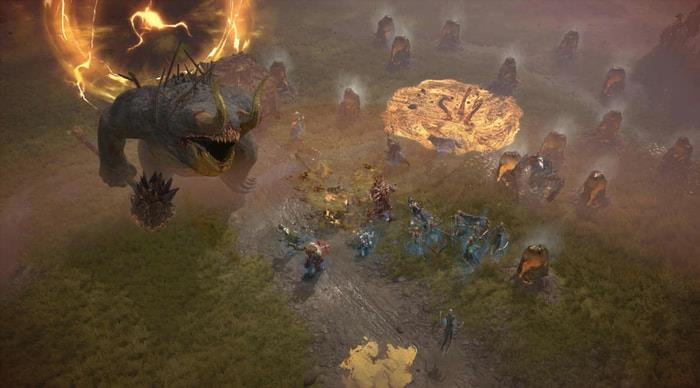
The game world stands as one of its most ambitious features, presenting a seamless open world with gothic architectural influences drawn from medieval European aesthetics. Players will traverse diverse biomes including cursed woodlands, desolate mountain ranges, and haunted ruins while confronting relentless demonic hordes and formidable boss entities.
Sanctuary’s environmental design emphasizes verticality and exploration rewards, encouraging players to investigate every corner of its expansive map. The world reacts dynamically to player actions, with day-night cycles affecting enemy behavior and environmental conditions influencing combat dynamics.
After multiple years in active development, Diablo 4 launched in June 2023 across PC, Xbox Series X|S, and PlayStation 5 platforms. The development cycle included extensive beta testing periods that allowed Blizzard to refine game systems based on community feedback.
Pre-order options provided early access benefits and exclusive cosmetic items, though these time-limited offers have since concluded. The game supports full cross-platform progression, enabling players to maintain their character advancement across different gaming systems.
Post-launch support has been substantial, with seasonal content updates introducing new mechanics, balance adjustments, and limited-time events. Blizzard’s ongoing content roadmap ensures regular infusion of fresh gameplay experiences while addressing community-identified pain points.
Diablo 4 launches with five distinct character classes, each featuring unique ability trees, resource management systems, and combat specializations. Your class selection fundamentally determines your gameplay approach and strategic requirements throughout the entire campaign.
The Barbarian excels in close-quarters combat, utilizing fury generation mechanics to power devastating physical attacks. This class specializes in weapon mastery, capable of simultaneously wielding multiple weapon types and switching between them situationally for optimal damage output.
Sorceress characters dominate through elemental magic, managing mana resources to cast frost, fire, and lightning spells. Their gameplay revolves around positioning and crowd control, making them exceptionally powerful in area denial and ranged engagements.
Druids offer unparalleled versatility, shape-shifting between bear, wolf, and human forms while commanding nature magic. This hybrid approach allows adaptive responses to varying combat scenarios.
Rogues provide tactical flexibility through hybrid melee and ranged capabilities. They employ combo point systems and positional advantages to maximize damage while maintaining high mobility.
Necromancers command undead minions and manipulate life forces, offering unique pet-based gameplay mechanics. Their resource management involves essence manipulation and corpse utilization for sustained battlefield control.
Class selection represents one of your most critical early decisions, directly influencing your enjoyment and effectiveness throughout the entire game progression. For comprehensive class analysis, consult our detailed Class Guide covering advanced build optimization strategies.
Diablo 4 preserves the fundamental gameplay loop that defines the series: selecting a character class and embarking on a perilous journey through monster-infested territories in pursuit of legendary treasures.
Mounted combat introduces strategic mobility options, allowing players to engage enemies from horseback with specialized abilities. This system dramatically alters battlefield dynamics and enables new tactical approaches to enemy engagements.
Open-world exploration represents a significant departure from previous games’ more linear structures. The world features no loading screens between regions, creating a truly seamless adventure experience.
Non-linear questing empowers players with unprecedented narrative agency, allowing them to tackle objectives in their preferred order while discovering hidden storylines.
The skill and talent systems have been completely redesigned, offering deeper customization options and more meaningful progression choices than earlier installments.
These mechanical innovations, when integrated with the series’ established combat fundamentals, create an exceptionally engaging gameplay experience that respects tradition while embracing innovation.
Diablo 4’s narrative serves as a major attraction for series enthusiasts, continuing the cosmic conflict between celestial and demonic forces. The storyline unfolds decades following Diablo III’s events, exploring the aftermath of previous battles and their consequences for Sanctuary’s inhabitants.
Lilith, daughter of the Prime Evil Mephisto, emerges as the central antagonist seeking to reclaim her power and eradicate humanity.
Players will progressively uncover hidden truths and narrative revelations that reshape their understanding of the ongoing conflict, culminating in an emotionally resonant conclusion.
The narrative structure incorporates player choice elements that influence how certain story beats unfold, creating personalized narrative experiences while maintaining canonical consistency.
Environmental storytelling enhances the lore delivery, with detailed world design conveying narrative information through visual cues and atmospheric details rather than explicit exposition.
Confronting diverse enemy types represents one of Diablo 4’s most compelling aspects, requiring continuous tactical adaptation as you encounter new threats.
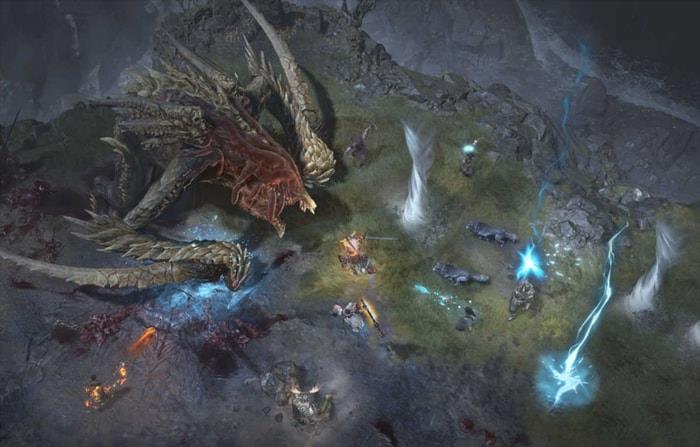
Undead warriors typically move slowly but possess substantial damage resistance, necessitating armor-penetrating tactics or crowd control solutions.
Demonic entities exhibit exceptional agility and attack speed, demanding precise timing and defensive positioning to counter effectively.
Boss encounters function as major gameplay highlights, each presenting unique mechanics that require specific counter-strategies rather than brute force approaches.
Each major boss features distinctive attack patterns, vulnerability windows, and environmental interaction requirements that must be mastered for successful completion.
Successful boss combat requires careful observation of visual cues, proper ability sequencing, and strategic resource allocation throughout the engagement duration.
Common strategic errors include overcommitting to damage during unsafe periods and failing to utilize environmental advantages. Advanced players recommend studying boss mechanics through repeated attempts while focusing on survival over aggressive play during learning phases.
Despite its accessible core mechanics, Diablo 4 presents substantial challenges for newcomers through its complex character building systems and demanding combat encounters.
The following strategic recommendations will significantly enhance your progression efficiency and overall gameplay enjoyment.
- Questing and Combat Optimization: Maximize your leveling velocity by strategically combining main story progression with targeted monster elimination in high-density areas. Prioritize completion of campaign quests for guaranteed experience gains while supplementing with targeted farming in optimal zones. Avoid spending excessive time on low-value activities during early progression phases.
- Gear Enhancement Cycle: Regularly upgrade your equipment through vendor purchases, crafting systems, and targeted loot farming. Equipment upgrades typically provide more substantial power increases than equivalent level gains during mid-game progression.
- Class Selection Strategy: Your chosen class fundamentally determines your gameplay rhythm and strategic requirements. Test multiple classes during the early game to identify which playstyle resonates with your preferences before committing to extensive progression.
- Skill Investment Planning: Strategically allocate skill points to abilities that synergize effectively rather than distributing them indiscriminately across your talent tree.
- Ability Management: Each class possesses distinctive cooldown management requirements and resource generation mechanics that must be mastered for optimal performance.
- Resource Stockpiling: Maintain adequate supplies of health potions and utility items to handle unexpected combat situations. These consumables can dramatically alter engagement outcomes when utilized strategically.
- Cooperative Play Advantages: Team-based gameplay through Diablo 4’s co-op multiplayer mode significantly accelerates progression while enhancing overall enjoyment through shared experiences.
For weapon-specific strategies and gear optimization techniques, explore our comprehensive Weapons Unlock guide covering advanced equipment strategies.
Action Checklist
- Complete the campaign storyline to unlock endgame content and systems
- Experiment with multiple classes to identify your preferred playstyle before deep investment
- Upgrade equipment at least every 5 levels during early to mid-game progression
- Stockpile health potions and utility items before attempting major boss encounters
- Participate in cooperative multiplayer sessions to accelerate leveling and resource acquisition
- Complete our comprehensive Complete Guide for advanced endgame strategies and build optimization
No reproduction without permission:GameCDjnh » The Ultimate Diablo 4 Survival Guide for Newcomers Master Diablo 4 with expert strategies, class breakdowns, and survival tactics for newcomers