
TL;DR
- Set items delayed for launch but planned for future seasons with refined implementation
- Universal 1×1 inventory slots eliminate Tetris-style management for streamlined gameplay
- Paladin/Crusader classes absent, replaced by five distinct new archetypes with unique mechanics
- True open world design enables non-linear progression and spontaneous player interactions
- Massive world bosses require coordinated multiplayer efforts with unique mechanics and rewards
Diablo 4 represents a significant evolution in the action RPG genre with several groundbreaking changes that veteran players need to understand.
Set Items Strategy Shift
The absence of set items at Diablo 4’s launch marks a strategic pivot in character progression design. These curated equipment combinations have traditionally provided powerful bonuses when wearing multiple pieces, creating defined build pathways that many players rely on for endgame content.
Game director Joe Shely clarified this deliberate omission stems from development priorities focused on perfecting the itemization foundation first. The team aims to introduce sets through seasonal content updates, ensuring they complement rather than dominate the gear ecosystem. This approach prevents the power creep issues that plagued previous titles where sets became mandatory for competitive play.
Seasoned Diablo 2 and 3 players should prepare for alternative gearing strategies focusing on legendary affixes and unique items. Early game progression will emphasize discovering synergistic combinations rather than chasing predetermined set bonuses, encouraging more experimental gameplay.
Streamlined Inventory Management
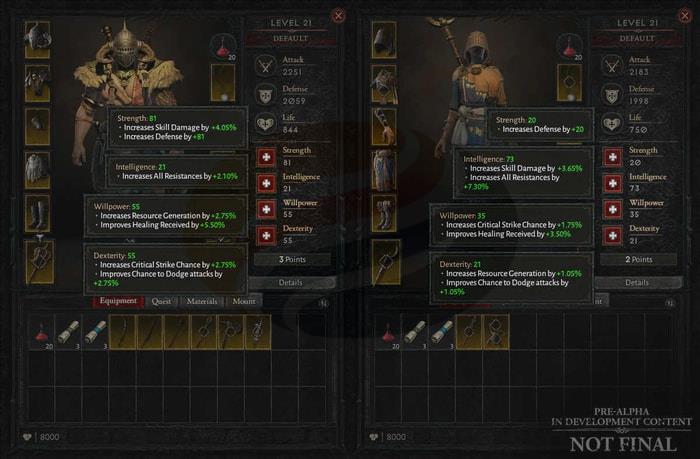
Diablo 4 revolutionizes inventory management by implementing uniform space allocation across all item types. Every equipment piece, from massive two-handed weapons to delicate rings, occupies a single inventory slot, eliminating the spatial puzzle mechanics of previous installments.
This design philosophy aligns with World of Warcraft’s inventory system and represents a conscious departure from Diablo 2’s Tetris-inspired approach. The change prioritizes accessibility and reduces time spent on inventory organization, allowing players to focus on combat and exploration.
Veteran Diablo 2 players accustomed to strategic space management will need to adjust their loot evaluation criteria. Without spatial considerations, item value assessment becomes purely statistical and build-synergy based. This streamlines the decision-making process during intense dungeon runs where quick inventory management is crucial.
Practical benefits include faster loot sorting sessions and more intuitive storage expansion planning. However, players lose the tactile feedback of “item weight” through spatial representation, which some veterans may initially find disorienting.
Class Roster Evolution
Diablo 4’s class selection excludes the holy warrior archetypes familiar to series veterans, instead offering five distinct specializations: Barbarian, Druid, Necromancer, Rogue, and Sorcerer. This strategic omission creates space for new playstyle exploration while maintaining core fantasy archetypes.
The absence of Paladin and Crusader classes represents a deliberate design choice to differentiate Diablo 4’s identity from its predecessors.
Each available class introduces innovative mechanics that expand beyond traditional role definitions. The Druid’s shape-shifting capabilities and environmental interactions, combined with the Rogue’s hybrid melee/ranged flexibility, offer fresh strategic dimensions previously unavailable in the series.
Open World Revolution
Diablo 4 embraces true open-world design, fundamentally transforming how players experience Sanctuary. Unlike the linear act-based progression of previous games, this seamless world enables organic exploration and spontaneous multiplayer encounters.
The non-linear narrative structure allows players to pursue main story quests, side content, and world events according to personal preference.
Dynamic events and emergent gameplay opportunities create a living world that responds to player actions. This design philosophy represents an evolution beyond Diablo 3’s Adventure Mode, integrating social elements directly into the core gameplay experience.
Exploration advantages include discovering hidden dungeons, encountering world events, and collaborating with other players spontaneously. This creates memorable emergent storytelling moments unavailable in previous instanced-based Diablo experiences.
World Boss Encounters
World bosses introduce large-scale cooperative gameplay to the Diablo franchise, requiring coordinated efforts from multiple players to overcome these monumental challenges.
These massive entities spawn randomly throughout the open world, triggering notification systems that alert nearby players to the emerging threat.
Preparation strategies should include maintaining mobility skills, stocking curative items, and understanding boss mechanics before engagement.
Ashava, the pestilent, employs area denial tactics with her toxic breath attacks, requiring constant positional awareness from all participants.
Treasure Beast shares visual and behavioral similarities with Diablo 3’s Siegebreaker, suggesting potential mechanical familiarity for series veterans.
The third world boss remains shrouded in mystery, potentially introducing completely new mechanics that will challenge even the most experienced players.
Action Checklist
- Research legendary affix combinations as temporary replacements for missing set items
- Practice inventory management with uniform slots to adapt from previous Diablo games
- Master at least two available classes to understand new playstyle dynamics
- Develop open-world exploration routes focusing on event hotspots and dungeon entrances
- Create world boss response protocol including gear preparation and communication methods
No reproduction without permission:GameCDjnh » Diablo 4: New Unexpected Changes Diablo 4 introduces revolutionary changes to inventory, classes, and world design that redefine the ARPG experience