
Master Ghost of Yotei’s Lethal Mode with advanced combat strategies and survival techniques
Understanding Lethal Mode Mechanics
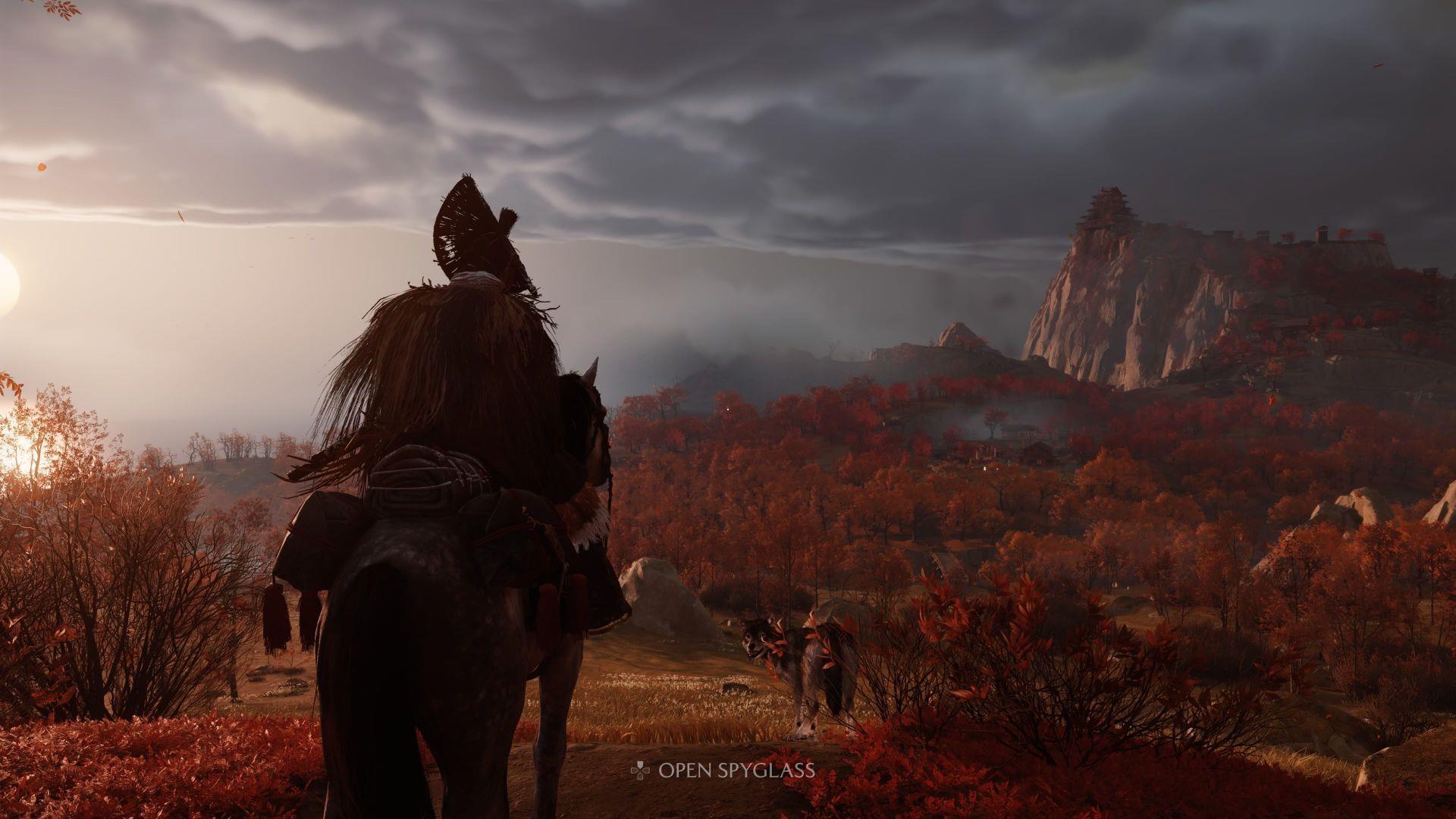
Ghost of Yotei’s Lethal Mode represents the pinnacle of combat intensity, transforming every encounter into a life-or-death situation that demands absolute precision. Unlike standard difficulty settings, this mode fundamentally alters the combat dynamics by implementing realistic damage modeling where both you and enemies can be defeated within just a few well-placed strikes. The game’s diverse mode selection offers various experiences, but Lethal Mode stands apart by emphasizing tactical decision-making over brute force approaches.
Combat mechanics undergo substantial changes in this mode. Enemy attacks become significantly faster with reduced telegraphing, forcing players to rely on instinct and muscle memory rather than visual cues. Health management becomes critical since healing opportunities are scarce during intense engagements. The mode also introduces more aggressive enemy AI behavior patterns, with foes coordinating attacks and exploiting environmental advantages more effectively than in standard gameplay.
Advanced Combat Strategies
Mastering Lethal Mode requires adopting specialized combat approaches that prioritize efficiency and precision over flashy techniques. The enhanced enemy aggression means you’ll face opponents who relentlessly press their advantages, forcing you to perfect your defensive maneuvers. Parry timing windows shrink dramatically, requiring near-perfect execution to avoid devastating counterattacks. Stealth gameplay undergoes significant adjustments as well, with enemies possessing heightened awareness and quicker detection responses.
Successful players develop a methodical approach to encounters, carefully analyzing enemy patterns before engaging. Environmental utilization becomes crucial—using terrain features for cover, creating chokepoints, and leveraging verticality can turn impossible battles into manageable challenges. Weapon selection and stance switching should become second nature, as different enemy types require specific counter strategies that must be executed flawlessly under pressure.
Common mistakes to avoid: Over-committing to attacks, neglecting posture management, and failing to disengage when overwhelmed. Many players struggle with greed—attempting one extra strike often results in catastrophic damage. Learning to recognize when to attack and when to reset to neutral positioning separates successful Lethal Mode practitioners from those who repeatedly fail.
Comparative Analysis with Ghost of Tsushima
Veterans of Ghost of Tsushima will recognize the foundational principles of Lethal Mode, which originally debuted in that game’s 1.05 update. However, Ghost of Yotei introduces several refinements that distinguish its implementation. The enemy AI demonstrates more sophisticated pattern recognition, adapting to player tactics over repeated encounters. Combat pacing feels noticeably faster, with reduced recovery windows between enemy attacks forcing quicker decision cycles.
The transition between games reveals an evolution in design philosophy. While Tsushima’s Lethal Mode focused primarily on damage values, Yotei’s version incorporates more nuanced mechanics like situational awareness penalties and environmental interaction limitations. Players who mastered the previous game’s rhythm combat will find familiar elements but must adjust to tighter timing constraints and more unpredictable enemy behavior trees.
Game Mode Overview
Ghost of Yotei launches with six distinct gameplay modes that cater to different player preferences and skill levels. Alongside the demanding Lethal Mode, players can experience Samurai Camera Mode for cinematic gameplay, Photo Mode for capturing stunning visuals, Kurosawa Mode for black-and-white cinematic immersion, Mike Mode for narrative-focused gameplay, and Watanabe Mode which offers balanced challenge progression. Each mode remains accessible from the beginning, allowing players to tailor their experience without progression gates.
Mode selection strategy should align with your gameplay objectives. New players should avoid Lethal Mode initially to familiarize themselves with core mechanics through less punishing alternatives. Intermediate players might transition to Lethal Mode after mastering combat fundamentals, while veterans can dive directly into the ultimate challenge. Remember that Lethal Mode significantly alters narrative pacing due to its difficulty, potentially disrupting story immersion for first-time players.
That covers the essential knowledge about Ghost of Yotei’s Lethal Mode. If you’re new to the game or prioritize experiencing the narrative without constant combat interruptions, this mode isn’t recommended for your initial playthrough. However, for players seeking authentic, high-stakes samurai combat that tests reflexes and strategic thinking to their limits, Lethal Mode delivers an unparalleled challenging experience.
No reproduction without permission:GameCDjnh » Ghost of Yotei Lethal Mode explored Master Ghost of Yotei's Lethal Mode with advanced combat strategies and survival techniques