
Discover Vennessa’s complete journey from gladiator to Mondstadt’s founding hero and divine protector
Origins and Gladiator Ascension
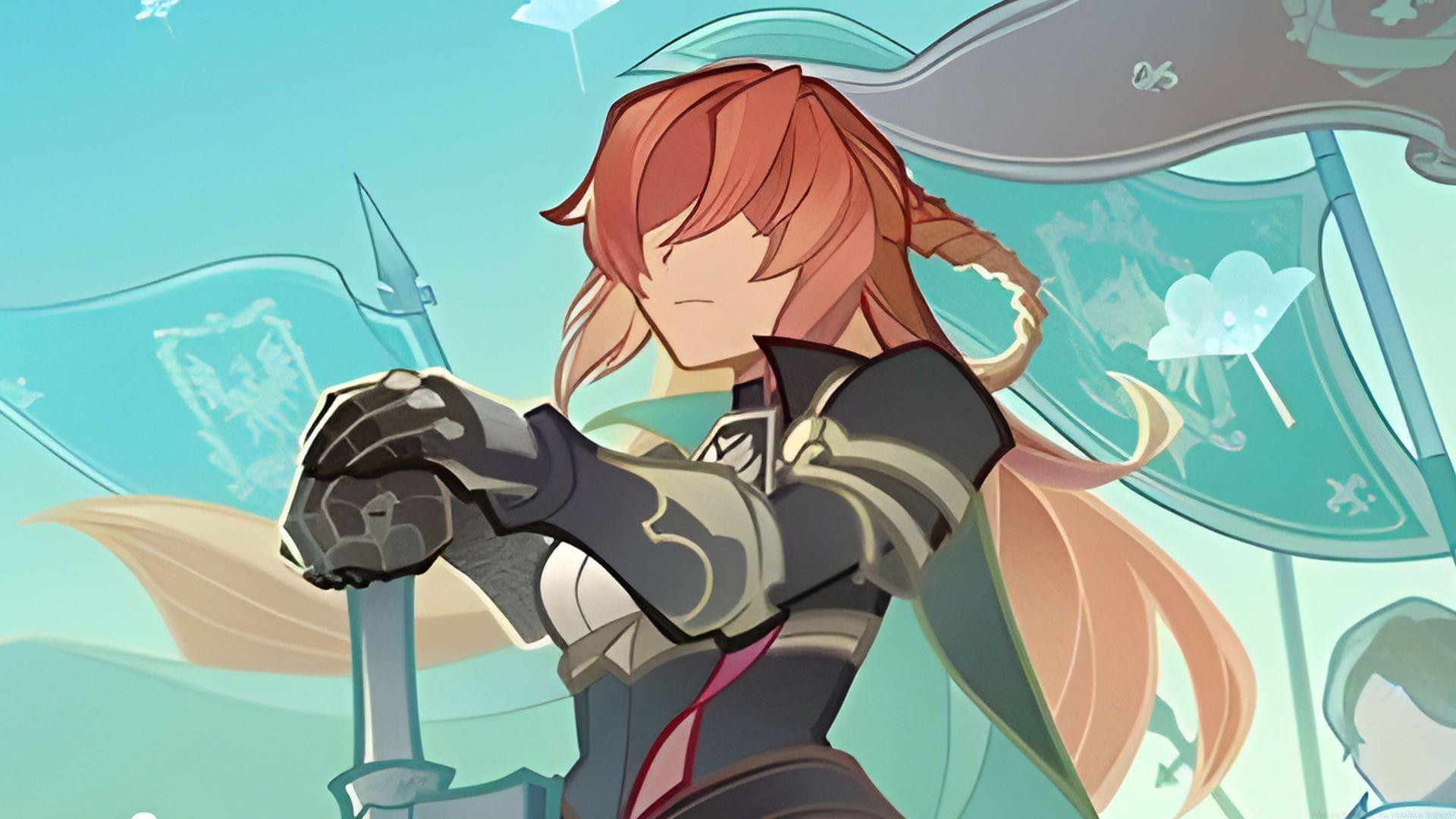
Vennessa stands among Genshin Impact’s most pivotal historical figures, embodying the transformative power of resilience and conviction. Hailing from the Muratan tribe of Natlan, her narrative arc demonstrates extraordinary personal evolution—progressing from captivity to liberation, then ultimately achieving divine status. Her journey represents one of Teyvat’s most compelling rags-to-legend stories.
Strategic Lore Tip: When exploring Mondstadt’s history, pay close attention to environmental storytelling—the Colosseum ruins and Windrise locations contain subtle references to her legacy that many players overlook.
Following their arduous migration, the Muratan people reached Mondstadt only to face subjugation by the city’s aristocratic rulers. Compelled into gladiatorial combat, Vennessa dominated the Colosseum circuit, earning the formidable title “Lionfang Knight” through her impeccable combat record. Her martial prowess and unwavering principles rapidly established her as a beacon of inspiration for the city’s downtrodden citizens.
Vennessa approached arena combat with strategic purpose rather than personal glory, viewing each victory as essential for her people’s survival. Her combat earnings sustained her tribe members, including her sister Lind, during their most desperate period. A decade earlier, their community had been ravaged by Ursa the Drake’s relentless attacks, forcing their exodus into Mondstadt’s territory for sanctuary.
Despite enduring extreme adversity, Vennessa cultivated profound respect throughout Mondstadt’s warrior circles. The Lionfang Knight designation resulted from her unmatched arena performance, including the decisive defeat of the Colosseum’s reigning champion. Her extraordinary narrative eventually attracted Barbatos’ attention—Mondstadt’s Anemo Archon who would become instrumental in her revolutionary campaign.
Rebellion Against Oppression
The uprising’s catalyst emerged during Ludi Harpastum celebrations when Vennessa protected Venti—disguised as a wandering bard—from nobleman Barca Lawrence’s aggression. This confrontation rapidly escalated into a significant political crisis that exposed the aristocracy’s corruption.
Common Mistake Avoidance: Many players misinterpret Vennessa’s refusal of Venti’s jailbreak offer as pride rather than strategic principle. Her insistence on earned freedom established crucial moral precedent for Mondstadt’s future values.
Following this incident, Barca’s patriarch acquired complete ownership of Vennessa and her entire tribe, subjecting them to severe imprisonment conditions. During her confinement, Venti proposed escape assistance, but Vennessa rejected this option, determined to secure liberation through demonstrated strength rather than divine charity.
The ruling class subsequently orchestrated a public spectacle forcing Vennessa’s clan to battle Ursa the Drake. In a particularly cruel maneuver, they compelled the tribe’s most vulnerable members—children and elders—into the arena confrontation, anticipating Vennessa’s certain demise.
Advanced Strategy Insight: The Ursa the Drake confrontation demonstrates Genshin Impact’s thematic depth—divine intervention typically follows human initiative, reflecting the game’s core philosophy about mortal agency preceding celestial assistance.
Defying aristocratic expectations, Vennessa engaged the drake with unparalleled determination. At the conflict’s climax, Barbatos directly intervened, enabling her victory and catalyzing the revolutionary movement that would reshape Mondstadt’s destiny.
Following Ursa’s defeat and the nobility’s diminished authority, Vennessa spearheaded the rebellion effort. She gathered influential allies including Ragnvindr—a noble who joined the resistance—and the prestigious Gunnhildr Clan. Critical support emerged when aristocratic soldiers discovered a forged treaty, strategically planted by Barbatos, alleging the nobles planned to sell them to Liyue’s Rex Lapis.
Founding the Knights of Favonius
Vennessa commanded the offensive that toppled Mondstadt’s corrupt governance structure. Post-victory, she orchestrated the city’s reconstruction and established the Knights of Favonius organization. Following the revolution’s success, she became Mondstadt’s inaugural Grand Master and the original Dandelion Knight, embedding her philosophical principles into the city’s contemporary value system.
Practical Implementation: Modern players can observe Vennessa’s influence throughout Knights of Favonius operations—their commitment to citizen protection and freedom preservation directly reflects her foundational principles.
The political restructuring she engineered created Teyvat’s first truly democratic city-state, establishing governance models that would influence other nations. Her administrative innovations included citizen councils, rotational leadership, and checks against concentrated power—systems still operational in contemporary Mondstadt.
Strategic Development Tip: When progressing through Mondstadt’s Archon Quests, note how current Knight leadership frequently references Vennessa’s precedents during critical decision-making moments, demonstrating her enduring operational influence.
Her transformation from oppressed gladiator to governing architect represents one of Genshin Impact’s most powerful narratives about redemption and institutional reform. The systems she implemented ensured no single entity could again monopolize power as the aristocracy had, creating safeguards that have protected Mondstadt’s freedom for centuries.
Divine Ascension and Legacy
Within Mondstadt’s extensive legendary history, Vennessa’s post-revolution narrative remains particularly celebrated throughout Teyvat. Mythological accounts indicate divine recognition near her life’s conclusion, granting her ascension to Celestia. This transcendental elevation transformed her into the Falcon of the West, joining the Four Winds pantheon protecting Mondstadt.
Common Exploration Error: Players often miss the significance of Windrise’s elevation—the location’s spiritual energy connects directly to Celestia, making it a power convergence point that facilitates divine communication and healing.
Traditional belief places her ascension at Windrise, where an immense oak tree now stands commemorating Mondstadt’s heroic legacy. This arboreal monument maintains direct connection with Celestia’s divine realm. Venti harnesses this location’s power for self-restoration during crucial Archon Quest sequences, validating both his celestial origin and Vennessa’s perpetual influence.
Vennessa’s impact on Mondstadt and broader Teyvat history remains indisputable. She personifies freedom, resilience, and self-sacrifice. Her revolutionary actions established the structural foundation for Mondstadt’s contemporary society, which prioritizes liberty above all other considerations.
Advanced Linguistic Insight: The German etymology connecting “Lionfang Knight” and Jean’s “Dandelion Knight” (Löwenzahn meaning both dandelion and lion’s tooth) represents deliberate narrative craftsmanship, demonstrating miHoYo’s attention to cross-cultural symbolic resonance.
This linguistic connection bridges Vennessa and Jean across historical epochs, illustrating how her essence persists within Mondstadt’s current leadership framework. Dainsleif’s observation that the Falcon of the West “merely hovers under the gods’ light” implies continued vigilance even within Celestia’s divine sphere.
Gameplay Connections and Strategy
Vennessa transcends mere historical figure status within Genshin Impact’s universe—she constitutes the fundamental bedrock of Mondstadt’s contemporary ideals. Through her revolutionary actions, she liberated an entire city-state and inspired subsequent generations. Players encounter Vennessa’s legacy throughout gameplay, from the Knights of Favonius’ establishment to Windrise’s monumental oak tree.
Strategic Gameplay Application: Maximize your understanding of Vennessa’s impact by collecting all “The Legend of Vennessa” TCG cards, thoroughly exploring Windrise’s environmental narrative, and completing related World Quests that expand her story context.
Optimal Lore Exploration Path:
- Begin with Windrise statue examination and oak tree interaction
- Collect Vennessa-related archive entries and literature
- Complete Knights of Favonius reputation questlines
- Study Colosseum ruins for environmental storytelling
- Analyze character voice lines about historical figures
Advanced Player Tip: For comprehensive narrative understanding, cross-reference Vennessa’s story with other revolutionary figures across Teyvat—comparing her methods with Liyue’s adepti or Inazuma’s resistance reveals fascinating cultural contrasts in liberation philosophies.
Expand your Genshin Impact lore knowledge:
No reproduction without permission:GameCDjnh » Who is Venessa in Genshin Impact? Discover Vennessa's complete journey from gladiator to Mondstadt's founding hero and divine protector