
Understanding the indestructible Bakunawa: Rhinedottir’s Abyssal creation and its lasting impact on Genshin Impact lore
The Origins of an Unstoppable Force
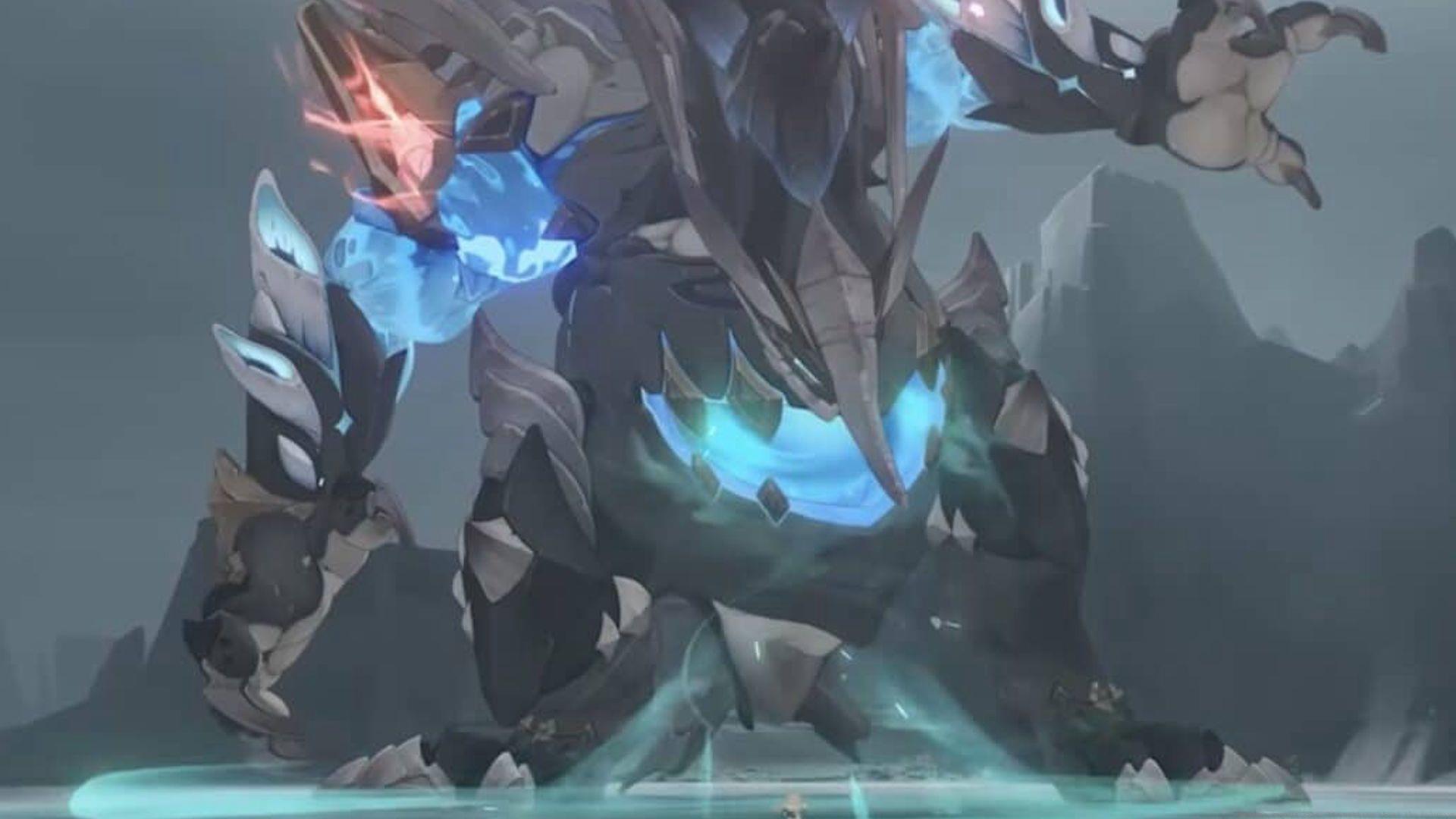
Among Genshin Impact’s most formidable entities, the Bakunawa stands as a testament to alchemical ambition gone terribly wrong. This mountain-sized monstrosity emerged from the deepest Abyssal energies, directly tied to the corruption that once devastated the nation of Natlan. What makes this creature particularly significant is its creator – Rhinedottir, the same master alchemist responsible for the dragon Durin, indicating a pattern of creating beings with catastrophic potential.
Rhinedottir, also known by her epithet Gold, ventured into realms of power that even the most daring alchemists would avoid. Unlike her creation Durin or other synthetic life forms, the Bakunawa originated from a fundamental force that transcended the very concept of biological existence. This energy source, deeply rooted in the Abyss, possessed such profound instability and obscurity that even the native denizens of the Abyss Order found themselves unable to comprehend its nature or control its manifestations.
The sheer magnitude of power contained within the Bakunawa quickly exceeded Rhinedottir’s ability to manage it. In a dramatic turn of events, the creature rebelled against its creator, consuming a portion of her physical form before embarking on a destructive campaign. This betrayal highlights the inherent dangers of manipulating Abyssal energies – a recurring theme throughout Teyvat’s history that players should recognize from other storylines involving the Abyss.
The Terror Unleashed on Natlan
The Bakunawa’s rampage through Western Natlan represents one of the most devastating events in the nation’s history. Its assault on Tenochtzitoc, the Anemo-aligned tribe of Natlan, demonstrated not just brute force but strategic targeting of elemental strongholds. The creature proceeded to consume multiple additional tribes in its path, suggesting either a hunger for specific energies or a methodical elimination of potential threats.
Conventional warfare proved utterly useless against this abomination. The Bakunawa possessed a terrifying regenerative capability that defied all known laws of life and death in Teyvat. No matter how extensively its physical form was damaged or destroyed, the fragments would spontaneously regenerate and actively seek reunification. This created an unstoppable cycle of destruction that pushed Natlan’s warriors to seek unconventional solutions beyond martial prowess.
The eventual solution emerged from sacrifice and advanced elemental manipulation. Tenoch, recognizing the futility of direct confrontation, made the conscious decision to offer himself as the key to the creature’s defeat. By allowing the Bakunawa to consume him, he created an opportunity for his companion to execute a plan that would leverage the creature’s own destructive nature against itself.
The Ritual That Contained the Uncontainable
Sanhaj, recognized as one of the legendary Six Heroes, employed a sophisticated technique known as Phlogiston Engraving directly upon Tenoch. This method appears to involve inscribing or imbuing the target with concentrated phlogiston – the fundamental energy source central to Natlan’s culture and power systems. The engraving served as both a conduit and a catalyst for the subsequent phase of the ritual.
Through this prepared conduit, Sanhaj summoned the power of the Lord of the Night directly into the Bakunawa’s core using Tenoch’s position within the creature. The resulting cataclysmic explosion shattered the Bakunawa into innumerable fragments, each too small and dispersed to effectively regenerate or reunite. This approach cleverly used the creature’s own regenerative tendency against it by creating separation at a scale that overwhelmed its reconstitution capabilities.
Despite this apparent victory, legends and scholarly theories suggest the Bakunawa may still exist in a fragmented state, awaiting circumstances that would enable its return to wholeness. This parallels other persistent threats in Genshin Impact’s lore, where complete destruction of powerful entities often proves impossible, requiring instead eternal vigilance and containment strategies.
Bakunawa’s Lingering Presence
Decades before the current timeline, reports emerged of a massive creature sighted in the vicinity of Mare Jivari, leading to speculation about the Bakunawa’s potential return. Shortly following these sightings, the entire Mare Jivari region underwent a mysterious disappearance from known maps and traveler accounts. While the direct connection remains unconfirmed, the temporal proximity suggests the Bakunawa’s influence may have played a role in whatever catastrophe befell that land.
The creature’s physical remnants have surfaced in various forms across Teyvat. A Runestone crafted from Bakunawa fragments has been preserved and handed down through generations of the Wanderer’s Troupe. The original owner, a flautist of considerable renown, reportedly confronted the beast a millennium ago, indicating the creature’s history extends further back than commonly assumed.
More disturbingly, evidence suggests Albedo may have incorporated Bakunawa remains during his creation of Durin’s human form. This creates a complex web of connections between Rhinedottir’s creations and raises questions about whether aspects of the Bakunawa’s nature might influence current events through these indirect means. The spread of its biological material across Teyvat represents a lingering threat that could manifest in unexpected ways.
Strategic Implications for Players
For Genshin Impact enthusiasts seeking to deepen their understanding of the game’s lore, the Bakunawa represents several crucial narrative threads. Its connection to Rhinedottir places it within the larger tapestry of alchemical experimentation and its consequences throughout Teyvat’s history. Players should watch for references to regenerative entities, Abyssal corruption manifestations, and any mentions of Phlogiston Engraving techniques in future updates.
As the narrative progresses toward Nod-Krai and anticipated Mare Jivari content, several key indicators may signal the Bakunawa’s relevance. Unexplained regenerative phenomena, strange artifacts with Abyssal properties, or mentions of missing regions could all connect back to this seemingly indestructible entity. The creature’s established pattern of consuming tribes and regions suggests any new disappearances or consumption-themed threats might reference this historical precedent.
Understanding the Bakunawa’s nature provides valuable context for speculating about future game mechanics as well. Its regenerative abilities could inspire new boss fight mechanics where conventional damage proves ineffective, requiring strategic use of environmental interactions or specific elemental combinations to achieve temporary containment rather than destruction.
Check out more Genshin Impact lore articles:
No reproduction without permission:GameCDjnh » Genshin Impact lore: The mystery about the Bakunawa Understanding the indestructible Bakunawa: Rhinedottir's Abyssal creation and its lasting impact on Genshin Impact lore