
Master spell mechanics and optimize casting strategies for maximum effectiveness in Oblivion Remastered
Understanding Spell Mechanics and Acquisition
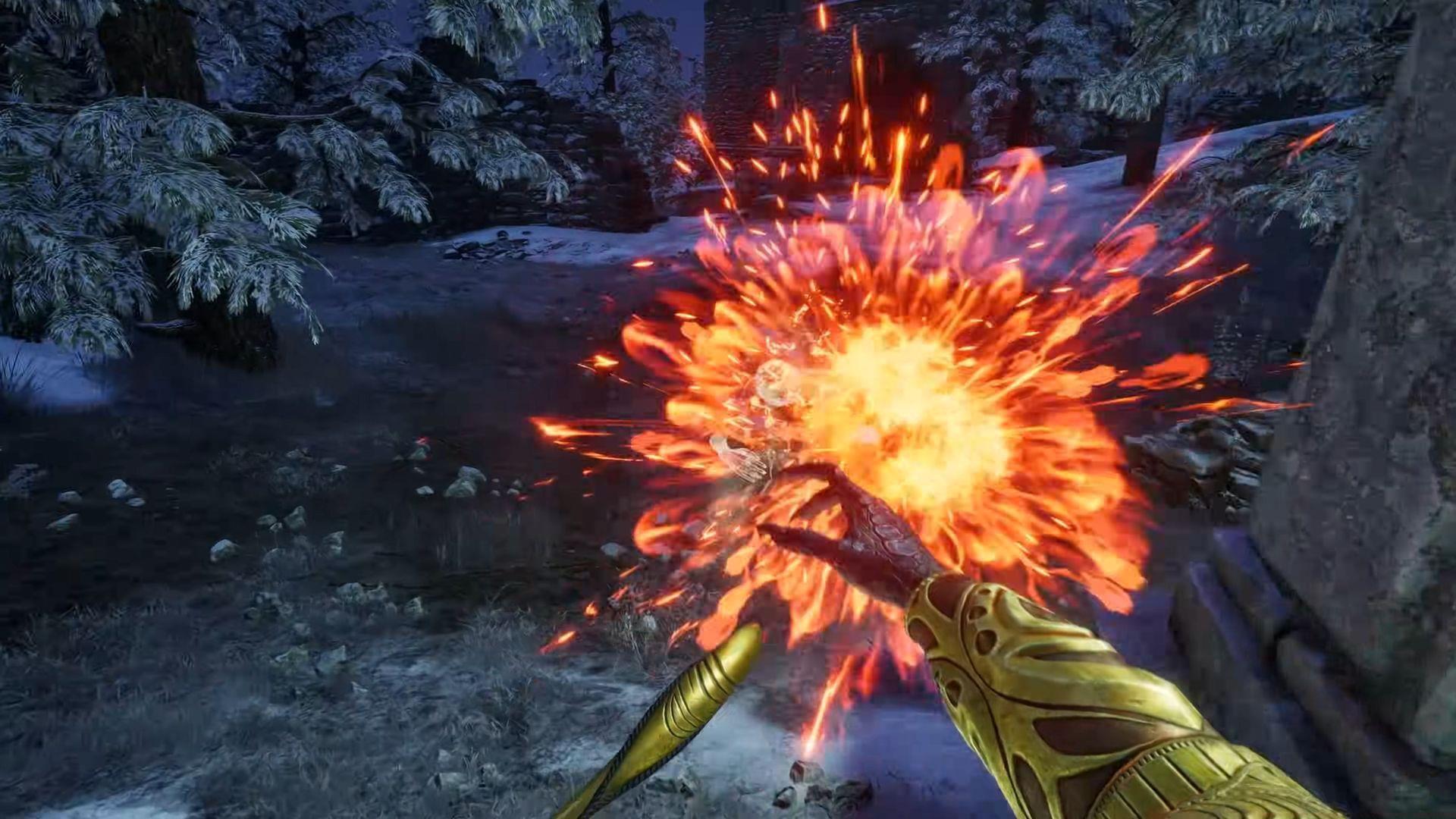
Mastering Spells in Oblivion Remastered transforms your gameplay experience from mundane to extraordinary. Beyond simple damage-dealing, spells provide tactical advantages like the Chameleon effect for perfect stealth infiltration, allowing access to restricted areas and bypassing hostile encounters entirely. The spell system encompasses six distinct schools: Alteration for environmental manipulation, Conjuration for summoning allies, Destruction for offensive capabilities, Illusion for crowd control, Mysticism for utility effects, and Restoration for sustaining your character through combat.
While spell acquisition represents a significant gold investment, strategic usage creates economic sustainability. High-value targets like vampires and daedra yield substantial loot returns when efficiently eliminated with appropriate spells. Consider spells as long-term investments rather than immediate expenses—properly utilized offensive magic against lucrative enemies typically recoups acquisition costs within 5-10 engagements. Destruction spells against undead creatures, for instance, often pay for themselves quickly due to the valuable artifacts these enemies drop.
The economic aspect of spellcasting requires thoughtful planning. Rather than purchasing every available spell immediately, prioritize those aligning with your character build and immediate needs. Mages Guild halls scattered throughout Cyrodiil serve as primary spell vendors, with specialized practitioners in major cities offering rare and powerful options. Additionally, completing certain questlines unlocks unique spells unavailable through standard vendors, providing cost-effective alternatives to expensive purchases.
Character Building for Spell Optimization
Effective spellcasting hinges on proper character development from the outset. Your Intelligence attribute directly determines maximum magicka pool size, while Willpower influences regeneration rates—both crucial for sustained casting. The six magical skills (Alteration, Conjuration, Destruction, Illusion, Mysticism, Restoration) each govern spell effectiveness within their respective domains. Skill level not only determines which spells you can learn but also reduces magicka costs and increases potency.
Birthsign selection during character creation profoundly impacts your magical capabilities. The Mage birthsign provides a permanent 50-point magicka boost, ideal for hybrid characters dipping into multiple schools. The Atronach sign offers 150 extra magicka but eliminates natural regeneration, requiring strategic use of spell absorption and potions—excellent for specialized casters who plan their engagements carefully. The Apprentice sign provides generous magicka with a weakness to magical damage, suitable for players who can manage positioning and defensive tactics.
Specialization proves more effective than generalization in Oblivion’s magic system. Focusing on 2-3 complementary schools allows deeper mastery and more potent effects. A Destruction-Restoration combination creates self-sufficient battle mages, while Illusion-Alteration suits stealth-oriented characters. Conjuration pairs powerfully with any school by providing disposable allies to control engagement dynamics. Avoid spreading skill points too thinly across all six schools, as mastery in fewer disciplines typically yields better results than mediocrity in many.
Advanced Spellcasting Techniques
Beyond basic casting, advanced techniques separate novice spellcasters from masters. Spell chaining—sequencing complementary spells—creates powerful synergies. For example, opening with a Weakness to Magic spell followed by elemental damage dramatically increases effectiveness. Area-effect spells like Fireball work excellently when paired with movement-impairing effects from Frost spells, controlling enemy positioning while dealing damage.
Mana management represents the most challenging aspect of sustained spellcasting. Beyond attribute investment, leverage equipment with Fortify Magicka or Reduce Spell Cost enchantments. Alchemy provides another avenue through restore magicka potions, which become essential for extended dungeons or boss encounters. The most efficient casters maintain a rotation between spell types, using cheaper utility spells while waiting for magicka regeneration between expensive offensive casts.
Situational awareness determines spell effectiveness more than raw power. Destruction spells against fire-resistant creatures waste magicka, while Illusion spells against undead or daedra often prove ineffective. Learn enemy resistances and vulnerabilities—frost spells devastate fire-based enemies, while shock magic bypasses most magical resistances. Environmental factors matter too: narrow corridors favor targeted spells, while open areas benefit from area-effect magic. Always carry a diverse spell selection to adapt to unexpected encounters.
Common Mistakes and Optimization Tips
New spellcasters frequently make several critical errors that undermine effectiveness. The most common mistake involves purchasing too many spells too early, draining gold that would better serve equipment upgrades or training. Another pitfall involves neglecting defensive capabilities—even pure mages need survivability options like Shield spells or emergency healing. Underestimating spell preparation by entering dungeons with inadequate magicka reserves leads to frustrating encounters where you’re reduced to basic attacks.
Optimization begins with understanding spell efficiency metrics. Cost-per-damage ratios vary significantly between spells—sometimes a cheaper, faster-casting spell delivers better damage efficiency than an expensive powerhouse. For non-combat spells, consider utility versus cost: a 50-magicka Detect Life spell might provide more value than a 200-magicka alternative with marginally better range. Always test new spells in safe environments before relying on them in critical situations.
For specialized builds, the Nightblade archetype (stealth magic) exemplifies effective specialization by combining Illusion for invisibility and silence with Destruction for targeted elimination. Battlemages thrive with a balance of heavy armor, weapon skills, and selective magic use. Pure mages should prioritize magicka pool expansion and cost reduction above all else. Remember that Restoration spells provide incredible value throughout your journey—instant healing during combat often means the difference between victory and reloading your last save.
While the game supports diverse playstyles through its open-ended design, strategic spell usage enhances any character build. If you encounter difficulties, the game provides console commands for troubleshooting, but overcoming challenges through optimized spellcasting proves far more rewarding. As you progress, you’ll discover that a well-curated spell collection tailored to your specific playstyle delivers superior results to possessing every available spell.
Expand your Oblivion Remastered knowledge with these related guides:
No reproduction without permission:GameCDjnh » Where to get new Spells in Oblivion Remastered Master spell mechanics and optimize casting strategies for maximum effectiveness in Oblivion Remastered