
An in-depth analysis of Marathon’s KBM aim assist controversy, its impact on competitive integrity, and actionable strategies for players adapting to the new meta.
The Core Controversy: KBM Aim Assist Explained
Marathon’s inclusion of aim assist for mouse and keyboard (KBM) players has ignited a fierce debate within the gaming community. Bungie’s highly anticipated extraction shooter, currently in its alpha testing phase, has revealed a mechanic traditionally reserved for controller users. This decision, disclosed by testers due to the absence of NDAs, has placed the unreleased game at the center of a potential balancing storm. The core issue is whether this feature undermines the fundamental skill-based aiming that defines PC first-person shooters.
Proponents might suggest it creates parity, but early gameplay analysis suggests otherwise. With minimal input, players can achieve a level of tracking and target adhesion that veteran streamer Shroud controversially labeled as akin to an ‘aimbot.’ This effectiveness isn’t tied to hours of practice refining muscle memory, but is inherently baked into the input system itself. For KBM users, the ‘minimal effort’ advantage now stems from simply enabling the feature rather than mastering their peripheral.
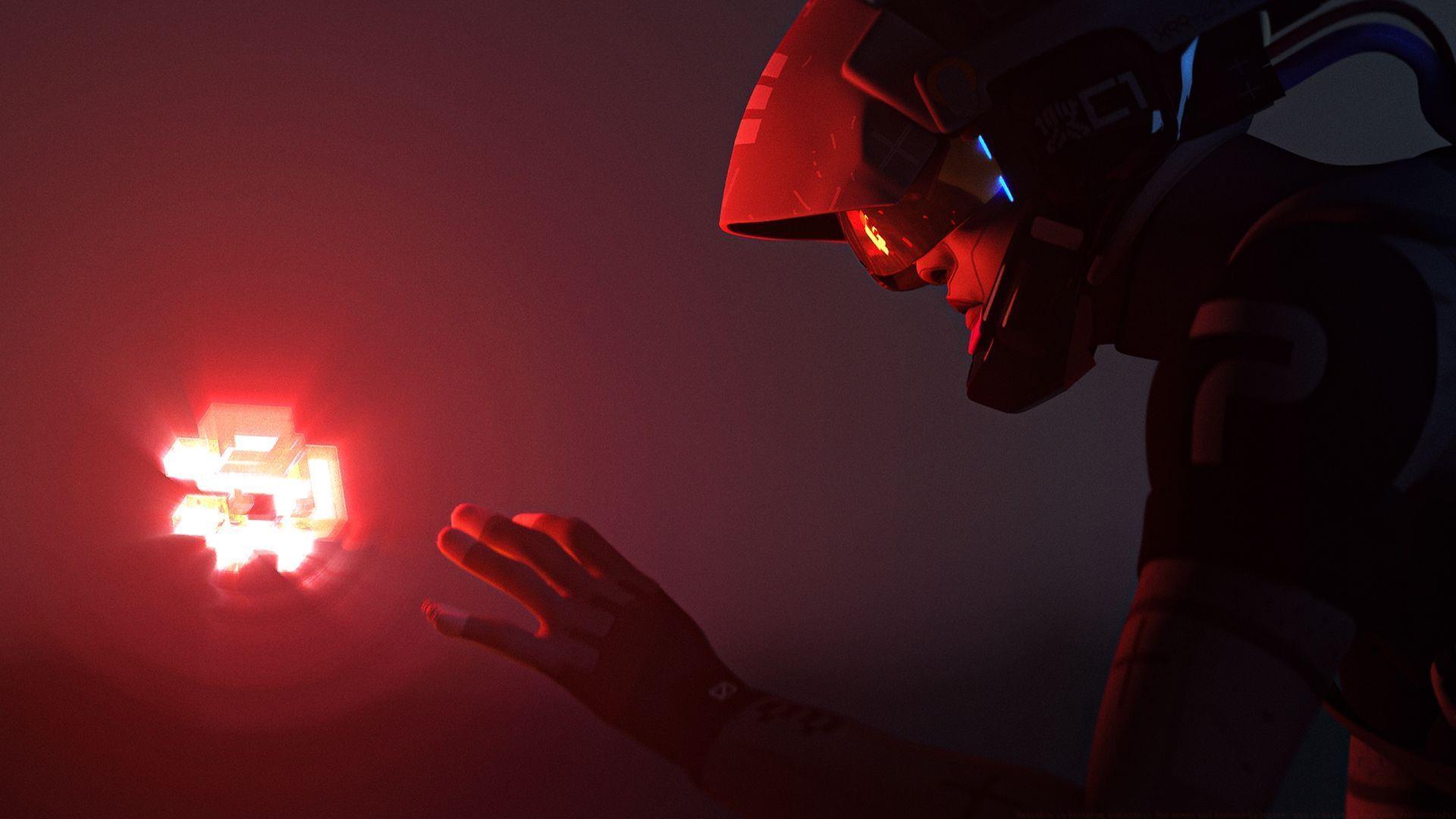
This shift represents a significant philosophical departure for competitive PC shooters. Aim assist on KBM blurs the line between player skill and system-assisted performance, challenging the established norms of what constitutes fair play in a precision-based genre. The alpha stage is precisely the time for such radical experiments, but the intensity of the feedback highlights a deep-seated concern about the game’s core combat loop.
Impact on Skill Gap and Competitive Play
The implementation of KBM aim assist creates a dual-effect on the player ecosystem. Firstly, it diminishes the visible skill gap between players of adjacent skill tiers. Nuances in raw aiming talent are partially negated by the assist, making it harder for a moderately skilled player to distinctly outperform a slightly less skilled one based on aim alone. Conversely, and more problematically, it amplifies the gap between top-tier professionals and average players. Elite players can leverage the assist to achieve near-perfect tracking, raising the skill ceiling in a way that average players cannot hope to match, effectively creating a wider chasm.
Furthermore, what was perhaps intended as a balancing measure between input methods may have the opposite result. Instead of bridging the gap between controller and KBM users, a strong aim assist for KBM could significantly widen it. Controller players, even with assist, are limited by analog stick range and speed. A KBM player with similar assist benefits retains the superior flick potential and turn speed of a mouse, potentially creating an overwhelming advantage. This threatens the cross-play integrity Marathon likely aims for.
The long-term implications for competitive play are severe. If the feature remains in its alpha state, tournaments could become less about demonstrative aiming skill and more about who best exploits the assist system. It could standardize a certain level of mechanical performance, pushing the competitive meta towards tactics and positioning exclusively, while devaluing aim duels—a cornerstone of FPS excitement.
Practical Strategies & Optimization for the Current Meta
While the future of the feature is uncertain, adapting to the current alpha meta is crucial for testers and those preparing for launch. Here are actionable strategies:
Adapting Your Playstyle:
– Focus on Tracking, Not Flicking: The aim assist excels at maintaining track on moving targets. Prioritize weapons and playstyles that benefit from sustained fire over quick-scope sniper play.
– Master Movement Synergy: Your movement now directly impacts the assist’s effectiveness. Strafe in ways that make your target’s movement predictable to maximize the assist’s correction.
– Play the Ranges: Understand the effective range where the aim assist is most potent. This is often mid-range; extreme close-quarters or long-distance sniping may see diminished returns.
Common Mistakes to Avoid:
– Over-Reliance: Don’t let the assist make you lazy. It’s a tool, not a replacement for fundamental aiming. Continue to practice raw aim for situations where the assist disengages or is ineffective.
– Ignoring Sensitivity Settings: The optimal sensitivity for assisted play may differ from your raw aim settings. A slightly lower sensitivity might provide smoother tracking and better synergy with the assist algorithm.
– Fighting the Assist: If you try to manually overcorrect while the assist is active, you may create a jittery, conflicting input. Learn to trust it slightly and make smaller adjustments.
Optimization Tips for Advanced Players:
– Fine-Tune Per-Weapon Settings: If the game offers it, customize the aim assist strength or settings per weapon class. A shotgun may need different assist behavior than an assault rifle.
– Analyze Engagement Profiles: Use gameplay recordings to identify exactly when and how the assist engages and disengages. This data is key to understanding its limitations.
– Experiment with Disabling It: Seriously consider playing without it in dedicated practice sessions. This maintains your raw skill baseline and gives you a clearer perspective on its actual impact.
The Future of Marathon’s Aim Assist
It’s vital to remember that Marathon is still in alpha. This phase is designed to stress-test systems, including controversial ones like KBM aim assist. The vehement feedback from the community is not a failure but a valuable data point for Bungie.
Based on the almost universally negative reception from core FPS players and influencers, the most likely outcomes are a significant reduction in the strength of the assist, its confinement to specific casual playlists or PvE modes, or its removal altogether. Bungie has a history of responding to community feedback on sandbox issues, as seen in the ongoing balancing of Destiny 2.
For players invested in Marathon’s future, the most constructive action is to provide clear, reasoned feedback if you participate in testing. Detail specific engagements where the assist felt unfair or detrimental to the experience. Speculation is natural, but the development process is now in a crucial feedback loop where player sentiment will directly shape the final product.
Read more: Marathon guide: All Runners, weapons, maps, and many more, explained
Follow Sportskeeda’s Esports and Gaming section for the latest updates about Marathon and other games.
No reproduction without permission:GameCDjnh » Marathon is bringing aim assist for mouse and keyboard players, and it might be bad news for crossplay An in-depth analysis of Marathon's KBM aim assist controversy, its impact on competitive integrity, and actionable strategies for players adapting to the new meta.