
Complete guide to King K. Rool’s boss battle in Donkey Kong Bananza with strategies and character analysis
King K. Rool’s Legacy and Return
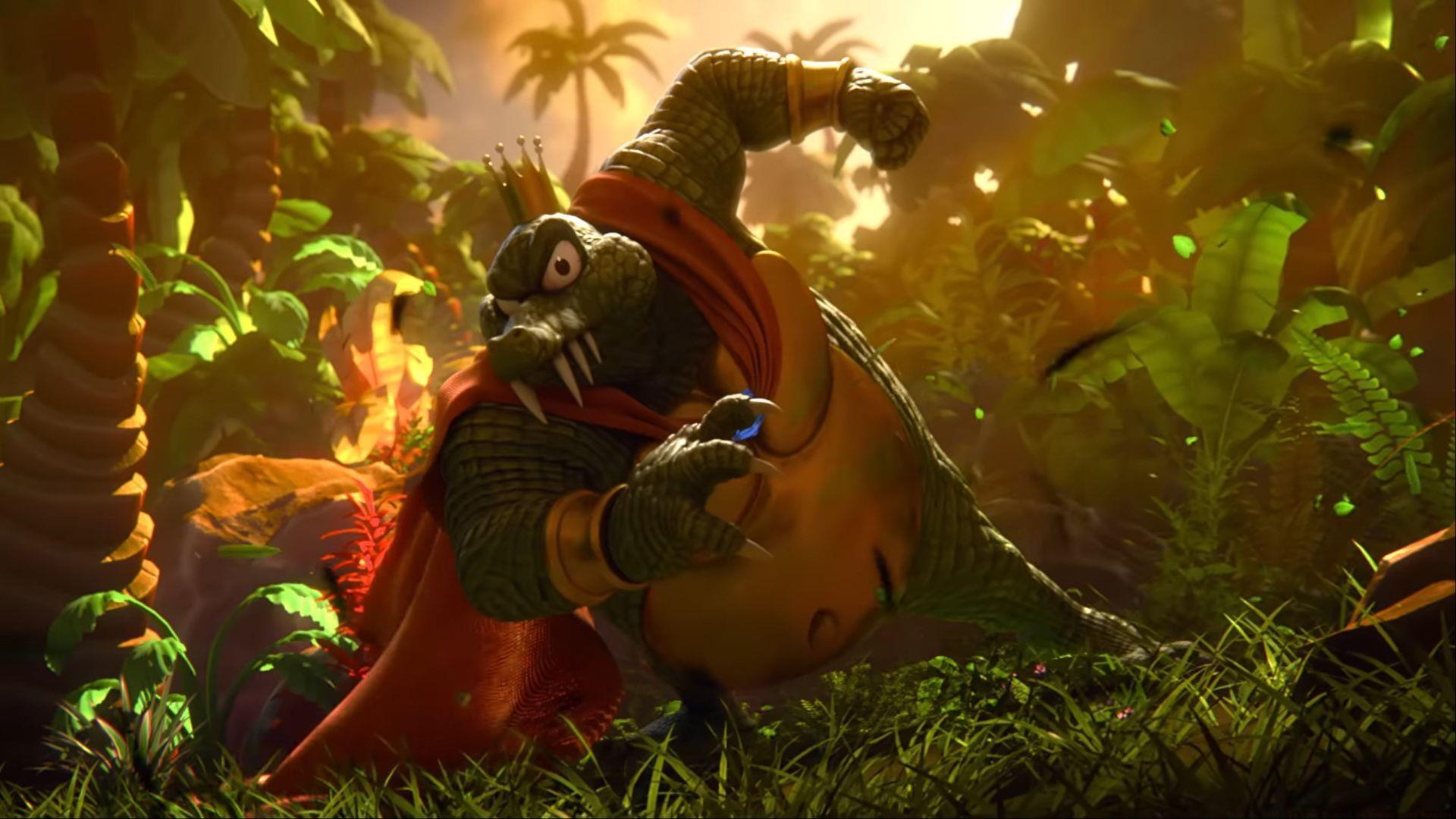
Donkey Kong Bananza serves as an extensive tribute to the complete legacy of the iconic primate’s adventures. Numerous beloved characters from previous installments reappear in this latest DK adventure, featuring the protagonist’s trusted companion Pauline (previously featured in Super Mario Odyssey), various Kong family members, and the notorious Kremling crew. The central antagonist from the series’ history, King K. Rool, reclaims his position as primary adversary.
The Banandium Root Plot
King K. Rool emerges as the central opposition force that Donkey Kong and Pauline must confront throughout their journey. The villain seeks the powerful Banandium Root for his own malicious objectives, creating the core conflict driving the narrative. Pursuing him through the treacherous Planet Core region, the heroic pair faces numerous environmental obstacles and enemy encounters during their relentless chase.
This pursuit culminates in the crocodile monarch undergoing a dramatic metamorphosis after assimilating the Banandium Root’s extraordinary energy. This transformation compels Donkey Kong and Pauline to engage him in a climactic confrontation that serves as the game’s authentic final boss encounter. Following a brief humorous credits sequence, the battle transitions to an urban setting where the conclusive second stage commences against the newly evolved K. Rool, now designated as the King of Rot.
Pro Tip: The Planet Core chase sequence actually serves as an extended tutorial for the boss mechanics. Pay close attention to the environmental patterns during this section, as they preview the attack rhythms you’ll encounter in the actual battle.
King of Rot Boss Battle Strategy
The King of Rot boss confrontation presents two distinct combat phases requiring different tactical approaches. During the initial phase, focus on recognizing his attack telegraphs – his crown glows specific colors indicating upcoming attack types. Red signals ground-based shockwaves, while green indicates projectile patterns. Utilize Pauline’s agility to evade while Donkey Kong positions for counterattacks.
Common Mistake: Many players waste special abilities during the first phase transformation sequence. Save your powerful moves for when he becomes vulnerable after major attacks, as the transformation period is invincible.
The urban environment during the second phase introduces interactive elements that can be used strategically. Destroyed vehicles create temporary cover, while damaged infrastructure may reveal health pickups. The King of Rot gains area-denial capabilities through rot-spreading attacks that gradually expand across the battlefield, forcing constant repositioning.
Advanced Technique: Coordinate character switching to maximize damage during brief vulnerability windows. Pauline’s precision strikes work best against his critical spots, while Donkey Kong’s powerful attacks should be reserved for staggered moments when the boss is temporarily immobilized.
Advanced Combat Techniques and Character Synergy
Series enthusiasts who remember the antagonist from the classic Donkey Kong Country NES games will undoubtedly appreciate his resurgence, even considering the revelation’s brief screen time. The development team has masterfully balanced nostalgia with innovative gameplay mechanics that challenge both new players and franchise veterans.
Optimization Strategy: For players seeking to minimize completion time, the boss battle can be optimized through specific character ability sequences. Initiate with Pauline’s ranged attacks to build the stagger meter, then switch to Donkey Kong for burst damage during vulnerability phases. The environmental destruction in phase two actually provides strategic advantages – certain destroyed objects reveal temporary power-ups that significantly increase damage output.
Understanding the attack pattern cycles is essential for resource conservation. The King of Rot follows a predictable sequence every third attack cycle, creating opportunities for prepared players to execute perfect dodges that replenish special ability meters. This rhythm-based approach transforms the battle from reactive to strategic gameplay.
Read more: How long is Donkey Kong Bananza?
No reproduction without permission:GameCDjnh » King K. Rool: Is King K. Rool in Donkey Kong Bananza? Complete guide to King K. Rool's boss battle in Donkey Kong Bananza with strategies and character analysis