
Master necklace management strategies to complete Dark Web missions efficiently in Cash Cleaner Simulator
Understanding Necklace Mechanics
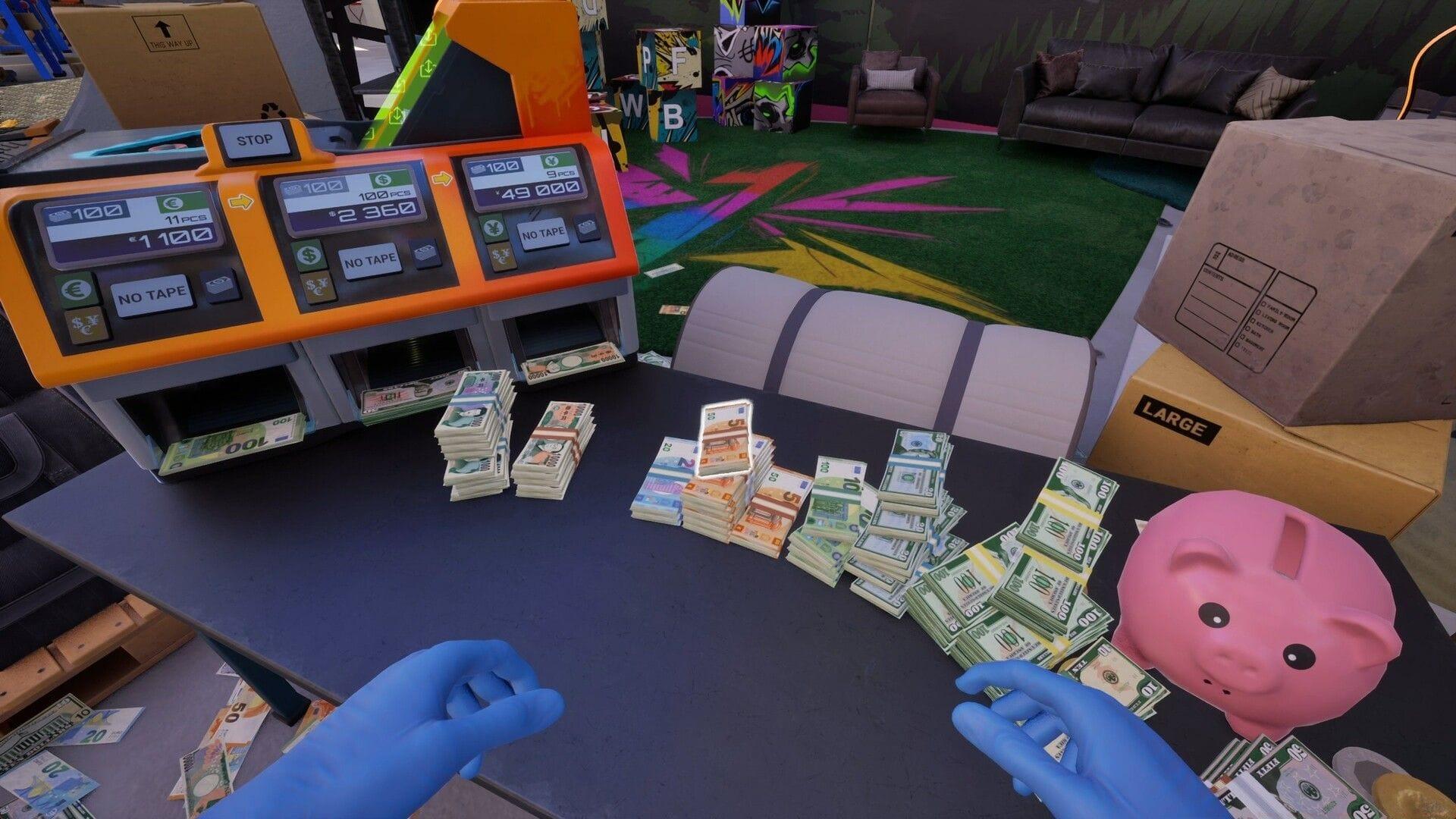
In Cash Cleaner Simulator, Necklaces initially appear as unimportant decorative items that many players mistakenly discard. These valuable accessories cannot be cleaned through standard processes or sold for immediate profit, and most early missions completely ignore their existence. However, their true significance emerges during specific high-stakes assignments where failure to produce requested necklaces can completely halt your progress.
The game’s economic system deliberately excludes necklace purchasing options—no vendors, black market dealers, or special shops offer these items. They spawn entirely through random chance during cleaning operations, typically mixed in with ordinary trash or currency flowing down the conveyor chute. Their unpredictable appearance rate makes systematic collection essential for long-term success.
Approximately 80% of gameplay sessions won’t require necklaces, which explains why inexperienced players often disregard them. This perception changes dramatically when time-sensitive Dark Web contracts demand specific necklace types with tight deadlines. Seasoned players quickly learn that every necklace found should be immediately secured rather than discarded.
Effective Storage Solutions
Your most reliable strategy involves designating specific containers exclusively for necklace storage immediately upon starting the game. Experienced players recommend using clearly labeled boxes, specialized drawers, or color-coded containers that separate necklace types by rarity and material. This organizational system prevents frantic searching when missions suddenly demand multiple specimens simultaneously.
Space optimization becomes crucial as your collection grows. Rather than hoarding every item indiscriminately, prioritize valuable variants like Sapphire, Ruby, and Diamond necklaces which appear in high-tier missions. Standard metal necklaces have lower mission frequency but still warrant keeping 2-3 units as backup. Implement a first-in-first-out rotation system for common types while preserving rare specimens indefinitely.
Advanced organization involves creating quick-access storage near your conveyor workstation. Position your necklace containers within easy reach to minimize delivery time during timed missions. Some players utilize wall-mounted racks or specialized sorting trays that allow visual identification of necklace types at a glance, significantly improving mission completion efficiency.
Mission Delivery Protocols
When a contract specifically requests necklaces—such as “Deliver 2 Sapphire Necklaces”—you have two primary delivery methods available:
Both methods function identically in terms of mission completion, but packaging offers protection against accidental misplacement. The critical requirement is mission activation—attempting delivery before formally accepting the quest will result in complete failure to register items. Always verify the mission status in your contract list before initiating any delivery procedure.
Unlike currency or sensitive documents, necklaces require no cleaning, authentication, or special tagging processes. Simply deliver the precise quantity and type specified in the mission parameters. This streamlined process allows quick completion once you’ve established proper storage protocols, making necklace missions among the fastest to complete when properly prepared.
Advanced Strategies
Dark Web missions typically provide shorter completion windows and demand multiple necklace types simultaneously. Preparation involves maintaining minimum stock levels: 3-5 common necklaces, 2-3 uncommon variants, and at least 1-2 rare specimens. This inventory buffer prevents mission failure when unexpected contracts appear.
Read also — Cash Cleaner Simulator: How to open the Vault
Common mistakes include discarding necklaces during early game, inadequate storage organization, and attempting delivery before mission activation. Avoid these pitfalls by implementing the “save everything” mentality from your first session and creating visual reminders near your workstation about mission verification protocols.
Pro players develop scanning techniques to identify necklace materials quickly during sorting operations. The subtle color variations between gold, silver, and platinum chains indicate different mission types. Advanced optimization involves tracking which mission givers frequently request necklaces and preparing specifically for their contracts.
Check out more articles on Sportskeeda:
No reproduction without permission:GameCDjnh » How to use Necklaces in Cash Cleaner Simulator Master necklace management strategies to complete Dark Web missions efficiently in Cash Cleaner Simulator