
Master Death Stranding 2’s vertical traversal with ladders and climbing anchors for safer cargo delivery
Understanding Death Stranding 2’s Core Navigation Mechanics
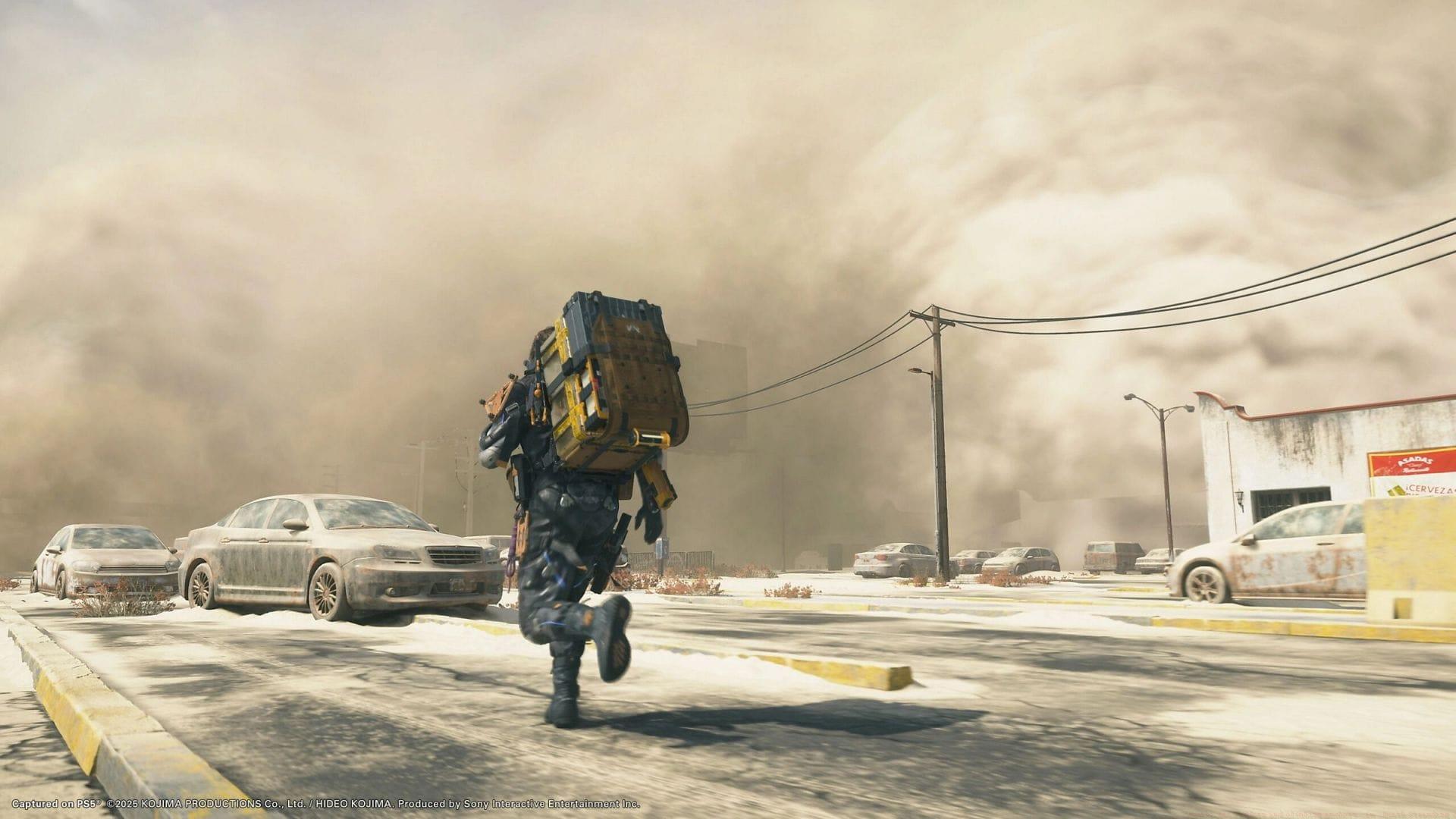
Death Stranding 2 continues emphasizing connectivity through sophisticated traversal systems where ropes, bridges, and strategic pathfinding determine survival success. Navigating treacherous landscapes while protecting precious cargo demands proficiency with essential gear like ladders and climbing anchors that enable vertical movement across otherwise impassable terrain.
The game’s environmental design intentionally creates natural barriers that test your equipment selection and placement skills. Understanding when to deploy specific tools separates successful porters from those who repeatedly lose valuable shipments to gravity or environmental hazards.
Before venturing into challenging areas, conduct thorough terrain scans using your Odradek scanner to identify potential anchor points and assess slope angles. This preparatory step significantly reduces equipment waste and prevents dangerous situations where you might find yourself stranded without proper climbing options.
Ladder Deployment: Techniques and Best Practices
Ladder implementation requires precise control execution and strategic positioning awareness. Initiate deployment by equipping your ladder from the gear wheel, then maintain pressure on L2 to enter placement mode where the game provides visual feedback about potential positioning viability.
Confirm optimal ladder placement by pressing R2 once you’ve identified the ideal angle, typically between 30-45 degrees for most slopes. Steeper angles increase stability but reduce usable length, while shallower angles risk slippage on loose terrain. Always extend ladders fully when possible to create secure crossing points.
Advanced ladder techniques include creating cascading descent routes by stacking multiple ladders for extreme height differences, and using them as makeshift bridges across narrow crevices. Consider cargo weight distribution when climbing – heavier loads require more deliberate movement and potentially wider stance positioning to maintain balance during ascents and descents.
Common ladder mistakes include placing them on unstable surfaces that collapse under weight, failing to extend them completely leaving dangerous gaps, and attempting climbs during heavy rainfall when surfaces become treacherously slippery. Always carry at least two ladders to accommodate unexpected terrain challenges or equipment failure.
Climbing Anchor Mastery: Advanced Rope Techniques
Climbing anchors revolutionize vertical mobility by creating secure rope tethers for both descending and ascending sheer surfaces. These indispensable tools transform impassable cliffs into manageable pathways when deployed with strategic foresight and technical precision.
Successful anchor implementation begins with careful equipment selection from your gear inventory, followed by L2 activation to enter positioning mode. The game’s interface provides critical feedback about anchor point viability – green indicators signify secure placement while red warnings suggest unstable surfaces that may fail under load.
Rappelling down cliffs requires assessing rope length against the descent distance – insufficient length can leave you stranded partway down a cliff face. For ascending, ensure the anchor sits above your position with adequate clearance; anchors placed at ground level cannot facilitate upward movement. The rope’s physics simulation responds realistically to weight shifts and movement patterns, requiring controlled inputs rather than rushed actions.
Advanced rope management includes creating zip-line networks between multiple anchors for rapid transit across canyons, using anchors as emergency braking systems during falls, and establishing temporary safety lines while navigating precarious ledges. Always inspect anchor integrity periodically as environmental conditions and repeated use can degrade equipment reliability over time.
Advanced Navigation Strategies and Gear Synergy
The most successful porters understand that ladders and climbing anchors work best as complementary systems rather than isolated solutions. Combining these tools creates navigation possibilities far exceeding their individual capabilities, enabling traversal of Death Stranding 2’s most daunting environmental obstacles.
Strategic equipment combinations might include using a ladder to reach an optimal climbing anchor placement point, then deploying the anchor to descend the opposite side of a ridge. Alternatively, use anchors to secure safety lines while positioning ladders across unstable terrain, creating fall protection systems that prevent catastrophic cargo damage.
Environmental factors dramatically impact equipment performance – heavy rainfall reduces ladder grip and can loosen anchor placements, while Timefall accelerates equipment degradation. Always check weather forecasts before extended expeditions and consider carrying extra equipment when恶劣 conditions are anticipated.
Inventory management proves crucial for navigation efficiency. Balance your loadout between ladders, climbing anchors, and other essential tools based on your planned route’s specific challenges. Experienced porters often establish supply caches at strategic locations containing backup equipment for particularly treacherous routes they frequent regularly.
Also read — Death Stranding 2 pre-order guide: Editions and bonuses
Here are some other gaming articles on Death Stranding 2 for you to check out:
- DS 2 controller: How to pre-order, price, and more
- Is DS 2 coming to Nintendo Switch 2?
- DS 2 Digital Deluxe Edition: Content, pricing, and is it worth getting?
No reproduction without permission:GameCDjnh » How to use ladders and climbing anchors in Death Stranding 2 Master Death Stranding 2's vertical traversal with ladders and climbing anchors for safer cargo delivery