
Master survivor trait management and strategic selection in Into the Dead: Our Darkest Days with advanced optimization tips
Introduction to Survivor Traits System
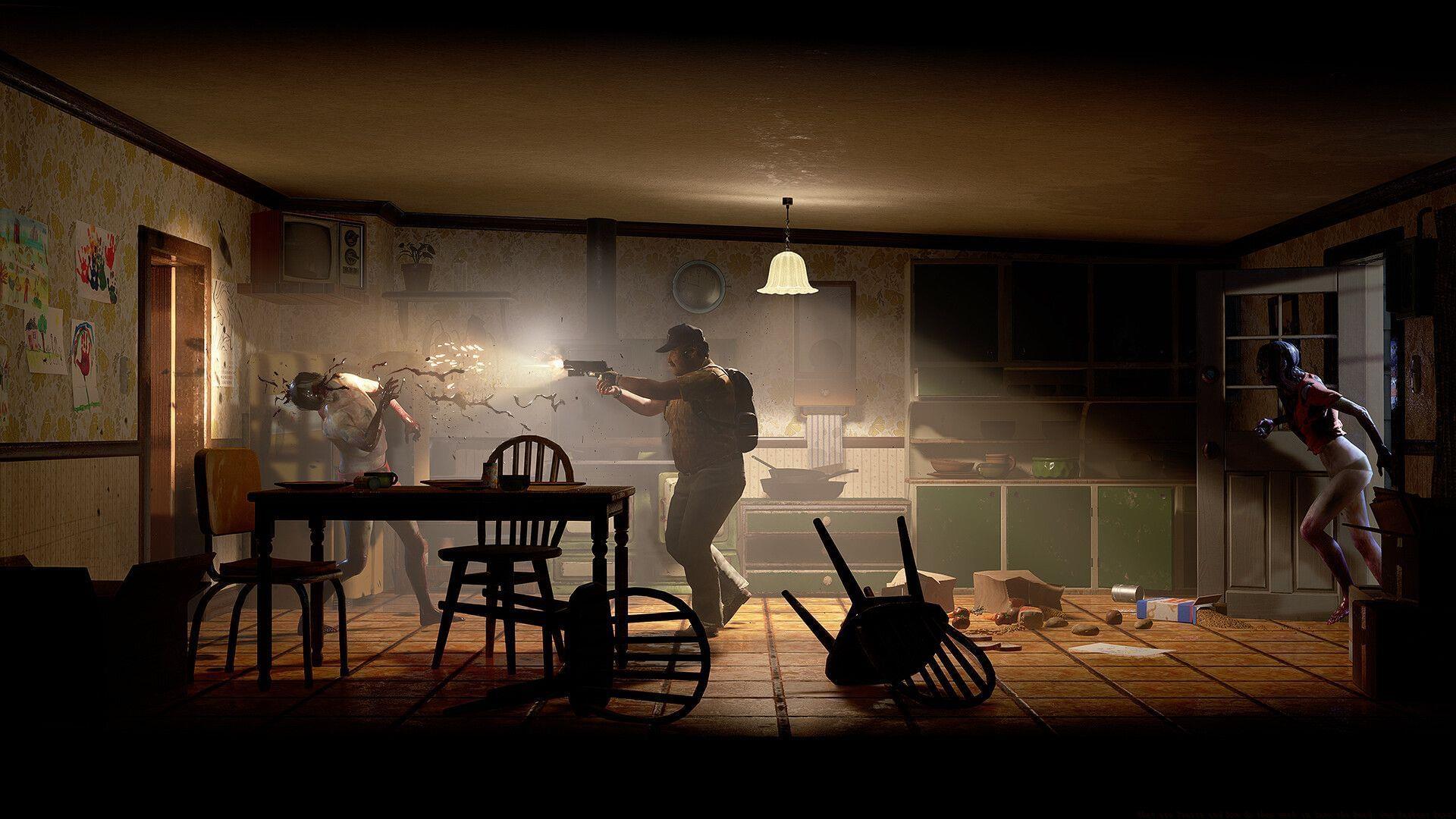
In the harrowing world of Into the Dead: Our Darkest Days, your primary mission involves shepherding survivors through a relentless zombie apocalypse. Each survivor possesses unique personality traits that profoundly influence their combat performance, crafting abilities, and psychological resilience. Understanding these characteristics becomes absolutely crucial for determining which survivors will endure the relentless undead threats and resource scarcity.
This comprehensive guide examines every available trait in detail while providing strategic insights for maximizing your team’s survival potential. Beyond simple descriptions, we’ll explore advanced tactical applications and common pitfalls that can undermine your survival efforts.
Comprehensive Trait Analysis and Categories
Survivor traits in Into the Dead: Our Darkest Days fall into four distinct categories, each serving specific roles in your survival strategy. Understanding these categories helps you build balanced teams capable of handling diverse challenges.
Combat Traits
These traits directly impact fighting effectiveness against the undead:
Crafting and Resource Traits
These characteristics influence resource management and item production:
Survival and Physical Traits
These affect basic survival needs and physical capabilities:
Morale and Psychological Traits
These influence mental state and team dynamics:
Advanced Trait Strategy and Optimization
Mastering trait combinations separates successful survivors from the doomed. Strategic planning around these characteristics dramatically improves your team’s longevity and effectiveness.
Trait Synergy Combinations
Certain trait combinations create powerful synergies that exceed their individual benefits:
Combat Specialist: Pair Slugger or Marksman with Tough and Will to live creates nearly unstoppable frontline fighters. These survivors can handle extreme combat pressure while dealing massive damage.
Resource Engine: Combine Gearhead with Whittler or Gunsmith for exceptional resource efficiency. This trio can maintain your team’s equipment with minimal resource investment.
Morale Anchor: Optimist paired with Determined creates survivors who maintain team spirit during the darkest moments. Place them strategically to counterbalance teammates with negative morale traits.
Common Mistakes to Avoid
Many players undermine their survival chances through these preventable errors:
Overvaluing Combat Traits: While combat skills are essential, neglecting crafting and morale traits creates unsustainable teams that collapse during extended survival scenarios.
Ignoring Negative Trait Combinations: Pairing Voracious with Bad Cook or Jaded with Haunted creates survival liabilities that drain resources and morale.
Poor Team Balance: Loading your team with multiple Lightweight survivors severely limits carrying capacity, while too many Restless characters makes base management challenging.
Team Composition Planning
Ideal teams balance combat capability with sustainability. Aim for 40% combat specialists, 30% crafters/resource managers, 20% morale supporters, and 10% scouts/specialists. This distribution handles most survival challenges while maintaining team stability.
Practical Implementation Guide
Applying trait knowledge effectively requires different approaches throughout your survival journey.
Early Game Trait Selection
During initial stages, prioritize combat traits like Tough, Slugger, and Marksman to establish security. One Good Cook or First Aid Training survivor provides essential support functions.
Mid-Game Optimization
As your base develops, integrate crafting specialists like Gunsmith, Whittler, and Gearhead to improve resource efficiency. Add morale stabilizers like Determined and Optimist to handle increasing psychological pressures.
End-Game Strategy
For final escape preparations, focus on specialized trait combinations that maximize specific mission requirements. Combat-heavy teams need balanced support, while stealth approaches benefit from Sneaky and Escape Artist traits.
Remember that trait management represents an ongoing process. Regularly assess your team’s composition and adjust recruitment priorities based on current needs and gaps in your survival capabilities.
No reproduction without permission:GameCDjnh » What are Traits and how do they work in Into the Dead: Our Darkest Days? Master survivor trait management and strategic selection in Into the Dead: Our Darkest Days with advanced optimization tips