
Comprehensive guide to Five Nights at Freddy’s timeline with gameplay strategies and lore insights
Introduction to the FNAF Universe
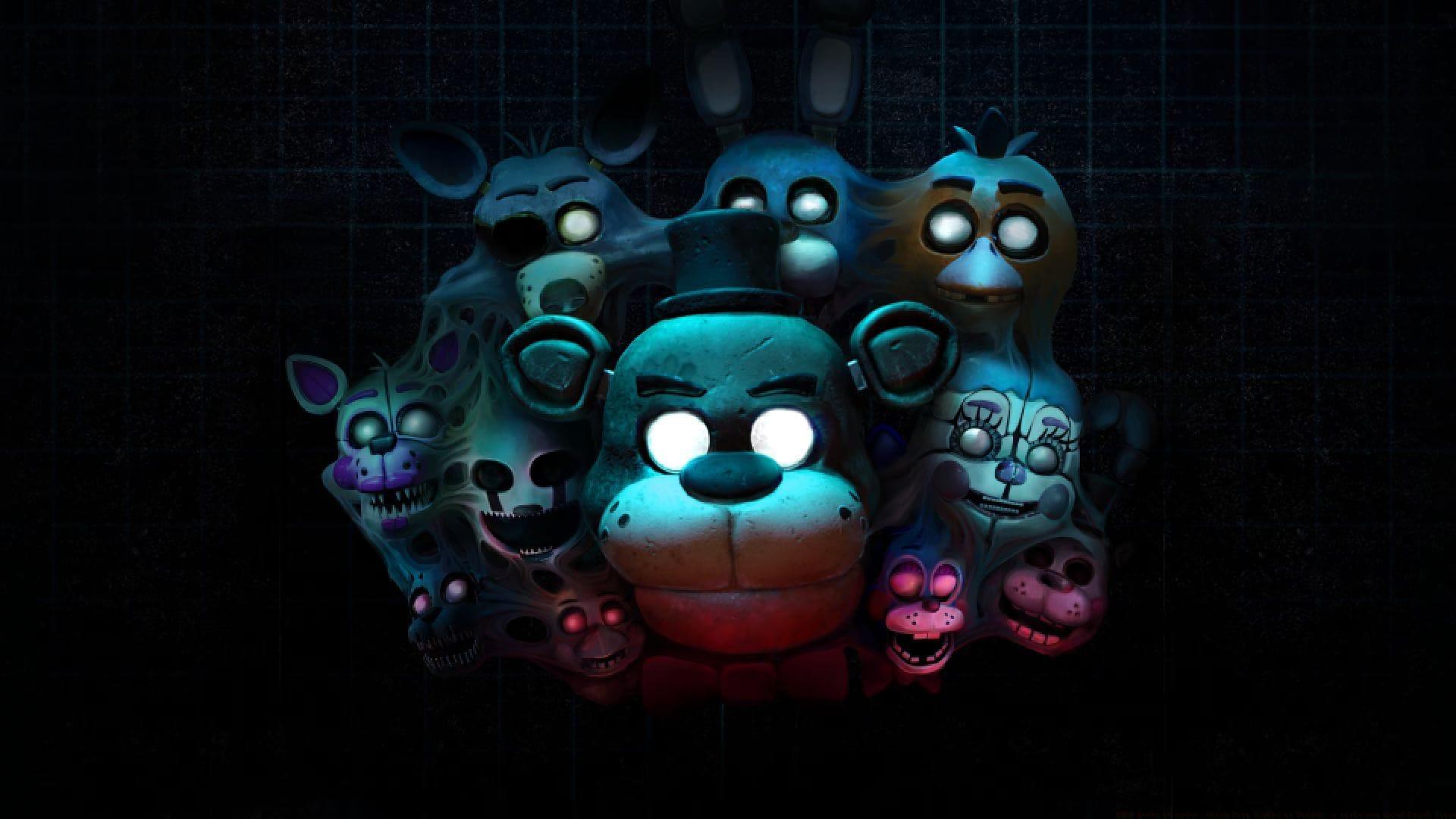
Since its debut in 2014, Five Nights at Freddy’s transformed from an indie horror project into a worldwide gaming phenomenon. Creator Scott Cawthon crafted a complex narrative that unfolds across multiple installments, with the complete timeline emerging through careful fan analysis and developer clues rather than explicit documentation.
The franchise’s enduring appeal stems from its unique blend of survival horror mechanics and deeply layered storytelling, creating an experience that rewards both quick reflexes and careful observation of environmental details.
The Chronological Story Order
Early Years (1983-1987)
FNAF 4 establishes the foundational tragedy, transporting players to 1983 as the vulnerable Crying Child. This installment reveals the devastating Bite of ’83 incident through haunting minigame sequences, showing how Michael Afton’s bullying of his younger brother sets in motion the franchise’s central conflict. The emotional weight of this origin story provides crucial context for understanding subsequent character motivations.
FNAF 2 serves as a narrative prequel occurring around 1987, casting players as security guard Jeremy Fitzgerald. This chapter introduces the infamous Bite of ’87 while expanding the animatronic roster with advanced models. The discovery of multiple victims at the recently reopened pizzeria deepens the unfolding mystery, establishing patterns that would define the series’ horror elements.
Sister Location explores Michael Afton’s direct confrontation with his father’s creations in an underground facility. The sophisticated Circus Baby animatronic, designed for child capture, becomes the centerpiece of this harrowing chapter. Michael’s encounter with the Scooper mechanism represents a pivotal transformation moment, leaving him physically deteriorated but spiritually determined to continue his redemption quest.
Modern Era (2023-2035)
The original Five Nights at Freddy’s represents Michael’s initial attempt at reconciliation under the pseudonym Mike Schmidt. Set after Sister Location events, this installment establishes the classic survival formula while advancing Michael’s personal mission to dismantle his father’s deadly legacy. The decaying physical state resulting from his Scooper encounter adds layers to both gameplay challenge and narrative depth.
FNAF 3 transports players to 2023’s Fazbear Frights horror attraction, where Michael finally confronts Springtrap – his father William’s animated corpse trapped within the Spring Bonnie suit. The fiery conclusion of this encounter represents a crucial turning point in the ongoing battle between father and son, though the franchise’s signature resilience ensures this isn’t the final chapter.
Pizzeria Simulator delivers the emotional culmination of Henry’s master plan, using a fabricated restaurant as bait to gather remaining animatronics. Michael’s voluntary participation in the final inferno completes his redemption journey while providing closure for the trapped child souls. This sacrificial act represents the thematic pinnacle of the series’ exploration of guilt and atonement.
Digital Age (2029+)
Help Wanted marks the franchise’s transition into digital horror, set in 2029 as a virtual reality experience. Quality assurance tester Vanessa becomes entangled with Glitchtrap, the digital manifestation of William Afton’s consciousness. This innovative installment bridges physical and digital terror while introducing new gameplay mechanics that would influence subsequent titles.
Security Breach expands the scope significantly with 2035’s Mega Pizza Plex, featuring glamrock animatronics and free-roaming exploration. Player character Gregory must survive the massive complex while confronting the lingering threat of Glitchtrap’s influence. The scale and variety of this installment demonstrate the franchise’s evolution beyond confined spaces.
DLC and Side Stories
Help Wanted 2 delves deeper into virtual reality horror shortly after Security Breach, introducing Cassie’s father and the Mimic entity. This chapter expands the digital threat landscape while maintaining connections to established lore through careful narrative threading.
Security Breach: Ruin continues Cassie’s search for Gregory within the demolished Pizza Plex, resulting in the accidental release of the Mimic. This downloadable content sets the stage for future conflicts while demonstrating how the franchise continues to innovate within its established universe.
Advanced Timeline Analysis
The FNAF chronology represents a remarkable achievement in interactive storytelling, with narrative threads weaving through multiple games and timelines. While Scott Cawthon never provided an official timeline declaration, the community-driven reconstruction demonstrates how environmental storytelling can create compelling long-form narratives.
Key character arcs, particularly Michael Afton’s journey from bully to redeemer, provide emotional continuity across technological and temporal shifts. The transition from physical animatronic threats to digital manifestations like Glitchtrap shows the franchise’s ability to evolve its horror while maintaining core thematic elements.
Understanding the connections between games enhances both appreciation of the story and effectiveness in gameplay. Recognizing character motivations and historical context allows players to anticipate narrative developments while mastering survival strategies specific to each era’s challenges.
Gameplay Strategies and Tips
Survival Techniques Across Eras
Resource management forms the foundation of FNAF survival strategy. Early games emphasize conservative power usage, with careful monitoring of security cameras and door controls. Later installments introduce more complex systems requiring adaptive approaches to limited resources.
Audio cue recognition becomes increasingly important throughout the series. Learning distinct animatronic sounds provides early warning systems, with advanced players developing the ability to track multiple threats simultaneously through auditory awareness.
Common Mistakes to Avoid
New players often exhaust power resources prematurely by overusing cameras and security doors. Strategic conservation, particularly during quieter periods, extends survival chances significantly. Another frequent error involves misjudging animatronic patterns, leading to unnecessary resource expenditure.
Underestimating the importance of environmental awareness proves costly across all titles. Each game incorporates unique visual and auditory clues that, when properly interpreted, provide critical advantages in threat management and resource allocation.
Advanced Player Optimization
Experienced players develop pattern recognition skills that allow predictive rather than reactive gameplay. Understanding animatronic behavior algorithms enables strategic positioning and timing that minimizes resource consumption while maximizing survival duration.
Mastering the specific mechanics of each installment provides significant advantages. From FNAF 1’s power management to Security Breach’s stealth systems, adapting to evolving gameplay requirements separates casual players from dedicated enthusiasts.
No reproduction without permission:GameCDjnh » FNAF games in order: Which Five Nights at Freddy’s title you should pick first Comprehensive guide to Five Nights at Freddy's timeline with gameplay strategies and lore insights