
A comprehensive review of Elden Ring Nightreign’s multiplayer experience with practical strategies and optimization tips
Introduction: FromSoftware’s Bold New Direction
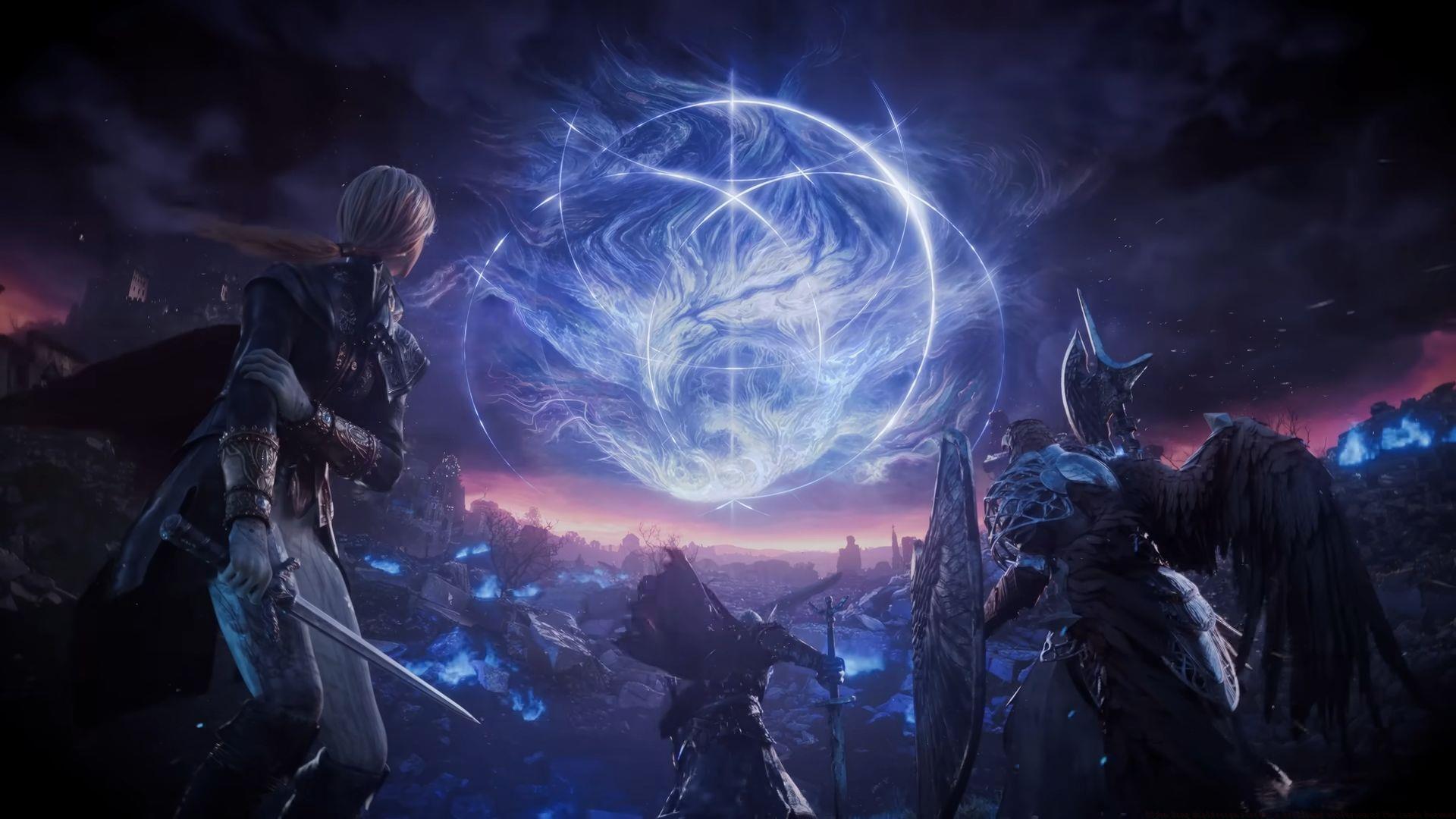
Having immersed myself in Elden Ring Nightreign for an intensive week-long review period, I can confidently state this represents FromSoftware’s most ambitious multiplayer venture to date. As someone who considers the original Elden Ring among the greatest gaming achievements of our generation, I approached Nightreign with both excitement and curiosity about how the studio would adapt its signature formula for cooperative play.
What emerged exceeded my expectations—a meticulously crafted three-player experience that preserves the essence of souls-like combat while introducing innovative multiplayer dynamics. The transition from solitary struggle to coordinated team survival feels both natural and refreshingly new.
Looking for strategic gaming insights? Explore our comprehensive guides on Souls-like combat mechanics and cooperative gameplay optimization.
Elden Ring Nightreign fundamentally reimagines the traditional souls-like progression system. Instead of following a linear narrative path, you and two allies deploy into Limveld—a reimagined version of Limgrave—facing a survival gauntlet across multiple nights. Your objective: withstand two full cycles of day-night transitions and ultimately conquer a powerful Nightlord.
The core gameplay loop demonstrates FromSoftware’s mastery of player engagement, blending familiar combat mechanics with fresh cooperative elements that demand strategic teamwork and rapid adaptation.
Gameplay Mechanics: The Core Experience
Nightreign’s combat system honors the studio’s renowned souls-like foundation while introducing eight distinct character archetypes, each with unique abilities and ultimate skills. The Recluse specializes in magical assaults, while Wylder excels as a dexterity-focused warrior. Every character feels meaningfully different, requiring players to master specific playstyles and synergistic team compositions.
Pro Tip: Experiment with different character combinations during early sessions to discover powerful synergies. The Ironeye archer’s ranged dominance pairs exceptionally well with close-quarters specialists.
Character balance currently presents some challenges, with certain Nightfarers feeling disproportionately powerful. Ironeye’s ranged capabilities make her exceptionally strong, while the Guardian class may underwhelm in comparison. Through extensive testing, I found Wylder with versatile weapon loadouts provided the most consistent performance across various encounters.
The combat rhythm will feel immediately familiar to souls veterans—studying enemy patterns, timing dodges precisely, and capitalizing on opening windows. The revival mechanic, where teammates can resurrect fallen allies by attacking them, adds crucial cooperative dynamics that reward aggressive support play.
Movement receives significant enhancements to accommodate the faster-paced multiplayer format. Nightfarers traverse Limveld with improved agility, utilizing new mobility tools and environmental objects to navigate rapidly while gathering essential resources.
Weapon flexibility stands out as a particularly welcome feature. Unlike traditional class-locked systems, Nightreign allows character-agnostic weapon usage, enabling extensive customization. Weapons feature diverse damage types and status effects like rot and bleed—essential tools for overcoming specific boss resistances.
Common Mistake to Avoid: Don’t neglect status effect weapons. Many bosses have specific vulnerabilities that can dramatically reduce encounter difficulty when exploited properly.
The battlefield itself evolves dynamically through a shrinking zone mechanic reminiscent of battle royale games. A advancing flame wall gradually constricts the playable area, forcing teams to maintain constant momentum while balancing resource collection, enemy engagement, and positional awareness.
Each night cycle culminates in epic boss confrontations featuring returning favorites from FromSoftware’s legacy. You might face Duke’s Dear Freja from Dark Souls 2 or the formidable Nameless King from Dark Souls 3. Victory advances your team to subsequent days, repeating the preparation-and-confrontation cycle until the final Nightlord encounter.
Limveld serves as more than just a backdrop—it’s an active participant in your journey. The Shifting Earth system introduces optional zones like Rot-infested forests or frozen peaks, each offering unique challenges and valuable rewards. These areas provide strategic alternatives for teams seeking additional power boosts before major encounters.
Visuals & Performance: FromSoftware’s Artistry
FromSoftware continues its tradition of breathtaking artistic achievement with Nightreign’s visual presentation. Limveld stands as a testament to the studio’s environmental design prowess, blending familiar landmarks with new atmospheric elements that create a consistently engaging playing space.
The art direction achieves remarkable heights, from sweeping landscape vistas to intricately detailed boss designs that will leave players frequently pausing to appreciate the craftsmanship. This visual excellence extends to the Nightlord encounters, each featuring stunning visual effects and memorable design elements.
Audio design complements the visual splendor with a soundtrack that expertly blends new compositions with nostalgic callbacks to classic boss themes. These musical choices enhance the emotional weight of encounters while pleasing long-time Souls series enthusiasts.
Performance Analysis: Contrary to FromSoftware’s historically problematic PC ports, Nightreign delivers surprisingly polished technical performance. My 25-30 hour playthrough encountered minimal issues, with only occasional stuttering totaling perhaps five minutes across the entire experience.
The optimization represents a significant step forward for the studio’s PC development capabilities. While some players might encounter minor bugs or performance hiccups, the overall stability far exceeds what veterans might expect based on previous releases. FromSoftware will likely address remaining issues through post-launch patches.
Critical Analysis: Areas for Improvement
Despite the generally excellent gameplay foundation, Nightreign exhibits several design choices that may frustrate players. The most significant concern involves the punitive leveling system that deducts one character level upon death, in addition to rune loss. While you can recover lost progress by retrieving dropped runes, this mechanic creates particularly problematic scenarios when combined with the shrinking zone.
Advanced Strategy: Always prioritize retrieving runes before the flame wall advances. Coordinate with teammates to create safe retrieval opportunities rather than risking permanent level loss.
The zone contraction mechanic amplifies the level-loss problem. Dying outside the safe area often makes rune retrieval impossible, potentially leaving teams severely underleveled for critical boss encounters. This creates frustration that feels disproportionate to player mistakes, especially when environmental factors contribute to deaths.
Matchmaking functionality represents another area needing attention. During my testing, queue systems occasionally failed entirely, requiring game restarts to resolve. For a title built around cooperative play, reliable matchmaking is essential and will hopefully see improvement before launch.
Boss balance inconsistency presents the final major concern. While most Nightlords provide satisfying challenges, certain encounters like Libra, Creature of Night feel excessively punishing with minimal recovery windows. Successful souls-like design balances difficulty with fairness, and these particular fights currently lean too heavily toward frustration.
These issues don’t fundamentally undermine Nightreign’s quality but represent clear opportunities for refinement. FromSoftware’s post-launch support history suggests these concerns will likely be addressed through balancing updates.
Verdict: Who Should Play Nightreign
Elden Ring Nightreign stands as another impressive achievement from a studio consistently delivering exceptional gaming experiences. The core gameplay loop successfully translates FromSoftware’s combat excellence into a cooperative format that feels both familiar and innovative.
The anticipated balancing adjustments for characters and bosses should resolve current frustration points, particularly the overly punitive level-reduction mechanic that sometimes penalizes players for circumstances beyond their control. Matchmaking improvements will also be crucial for the game’s long-term viability.
Despite these areas for improvement, Nightreign delivers an incredibly rewarding experience for souls-like enthusiasts seeking cooperative challenges. The satisfaction of coordinating with friends to overcome Nightlords creates memorable gaming moments that few other titles can match.
Final Recommendation: If you appreciate FromSoftware’s design philosophy and want to share that experience with allies, Nightreign represents an essential addition to your gaming library. The minor flaws present during this review period don’t diminish the overall excellence of this cooperative souls-like adventure.
Reviewed On: PC (Key provided by Bandai Namco)
Platforms: PC, Xbox One, PS4, Xbox Series X/S, PS5
Developer: FromSoftware
Publisher: Bandai Namco
Release Date: May 30, 2025
No reproduction without permission:GameCDjnh » Elden Ring Nightreign review: A brilliant evolution of The Lands Between A comprehensive review of Elden Ring Nightreign's multiplayer experience with practical strategies and optimization tips