Master Broken Arrow’s deck-building system with expert strategies for unit synergy and faction specialization
Understanding Broken Arrow’s Core Unit Types
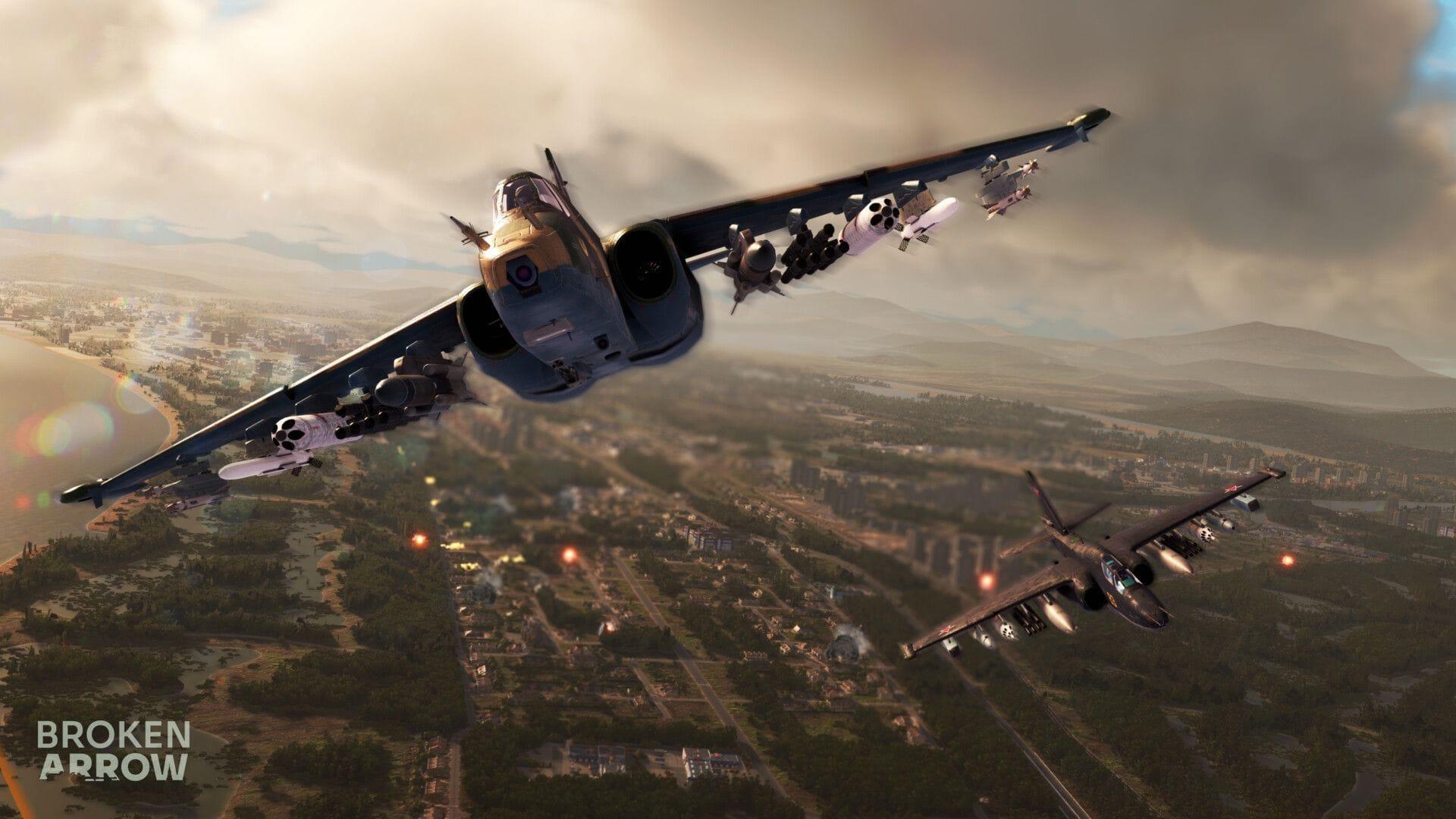
Broken Arrow decks consist of many units (Image via Slitherine Ltd)
Broken Arrow decks consist of many units (Image via Slitherine Ltd)
Constructing effective military formations in Broken Arrow presents significant challenges initially, as this sophisticated real-time tactical simulation features an extensive arsenal of combat elements deployable across engagement zones to secure victory. The game’s complexity stems from specialized battlefield functions assigned to each unit type, each possessing distinct tactical advantages and limitations. Consequently, mastering the synergistic relationships between your military assets will dramatically improve your combat effectiveness.
Infantry: Foot soldiers excel at occupying strategic structures, providing enhanced concealment capabilities and defensive positioning benefits. Their urban combat proficiency makes them essential for controlling key terrain features and establishing forward operating bases.
Support: Artillery elements encompass all long-range bombardment systems and air defense platforms that deliver remote assistance to frontline combat units. This category additionally includes supply vehicles transporting supplementary munitions, medical resources, and mechanical repair equipment crucial for sustained operations.
Recon: Surveillance specialists focus on target identification and designation duties. Their advanced sensor packages and stealth capabilities make them invaluable for intelligence gathering and preventing enemy ambushes.
Vehicles: Armored assets include all protected transport platforms, main battle tanks, and direct fire support systems deployable across combat zones. Their mobility and firepower create the backbone of any mechanized assault force.
Helicopters: Rotary-wing aircraft provide exceptional close air support capabilities, along with vertical transport functions for personnel and equipment. Their versatility enables rapid response across diverse battlefield conditions.
Airplanes: Fixed-wing combat aircraft deliver precision munitions and engage aerial targets through advanced missile systems. Their air superiority capabilities ensure battlefield dominance across all altitude bands.
Also read –All Summer Game Fest 2025 announcements: Code Vein 2, Atomic Heart 2, and more
Faction Analysis: USA vs Russia Specializations
Within the Broken Arrow theater of operations, you direct military forces from two distinct superpowers—the United States or Russian Federation. Your selected nation determines available equipment pools from specialized military branches. Each faction typically emphasizes particular unit categories, though some maintain balanced combined arms capabilities. The primary faction options include:
Marine Expeditionary Unit (USMC amphibious specialists)
Airborne Division (US paratrooper and air assault units)
Armored Brigade (Heavy mechanized forces)
Spetsnaz Command (Russian special operations forces)
Motor Rifle Division (Russian combined arms formation)
Air Assault Brigade (Russian vertical envelopment specialists)
Tank Division (Russian armored supremacy force)
Also read –7 best announcements from the Xbox Games Showcase 2025
The United States typically fields technologically superior equipment with enhanced accuracy and advanced electronic warfare capabilities. American units often feature better optics, communication systems, and precision-guided munitions. Russian forces generally deploy in greater numbers with robust, cost-effective designs that emphasize durability and overwhelming firepower. Understanding these doctrinal differences is crucial for effective deck construction.
Advanced Deck Building Strategies
Your Broken Arrow battle groups consist of numerous unit selections, with cumulative deployment costs constrained by available resource limits. Additionally, you generate operational resources during engagements by eliminating hostile forces and securing enemy strongpoints. Therefore, when assembling Broken Arrow combat formations, incorporate these essential strategic principles:
Focus on selecting units based on a specific playstyle: When constructing any battle group, concentrate on developing a coherent tactical doctrine composed of mutually supporting combat elements. A fundamental illustration involves initiating rapid aerial assaults using fighter aircraft to disrupt enemy defensive networks, subsequently deploying infantry elements and helicopter assets through urban corridors and vegetated approaches with supporting fire.
Remember each faction’s strengths and weaknesses: Both superpowers and their subordinate formations exhibit different tactical advantages and vulnerabilities. Therefore, meticulous unit selection becomes imperative to leverage complementary capabilities that mitigate organizational shortcomings. This approach reduces exploitable vulnerabilities that adversaries would otherwise identify and capitalize upon during engagements.
Advanced players should consider implementing combined arms tactics that synchronize multiple unit types for maximum effectiveness. For instance, pairing reconnaissance units with long-range artillery creates a deadly spotting combination, while mechanized infantry supported by attack helicopters can overwhelm fortified positions. Always maintain balance between offensive capabilities and defensive requirements—a deck too focused on attack will crumble against determined assaults, while overly defensive compositions struggle to seize objectives.
Common Mistakes and Optimization Tips
New commanders frequently make several critical errors when first building their Broken Arrow decks. Avoid these common pitfalls to improve your competitive performance immediately:
Resource Imbalance: Don’t overload your deck with expensive elite units—include cost-effective options to maintain battlefield presence after losses
Recon Neglect: Never underestimate surveillance units—without proper spotting, your artillery and air support become ineffective
Doctrinal Inconsistency: Avoid mixing contradictory strategies—a blitzkrieg-style deck shouldn’t include slow, methodical units
Countermeasure Omission: Always include anti-air and anti-armor capabilities—specialized counters prevent being overwhelmed by specific unit types
Supply Line Forgetfulness: Remember logistics vehicles—running out of ammunition during critical engagements loses battles
For optimization, consider the current metagame trends and popular strategies among top players. Adapt your deck to counter prevalent tactics while maintaining your preferred playstyle. Experiment with unusual unit combinations that might surprise opponents—sometimes unconventional approaches yield spectacular results. Finally, regularly review your battle replays to identify weaknesses in your composition and adjust accordingly.
For more gaming guides and news, check out these articles:
7 best underrated RPGs that you need to try out in 2025
5 best JRPGs that do not feature turn-based combat
5 best open-world crime games to play while waiting for Mafia The Old Country
5 Rockstar games that deserve a modern remake: Bully, GTA 4, and more