
TL;DR
- Colossal Knight excels with heavy weapons and high poise for PvE dominance
- Glass Cannon Mage delivers maximum spell damage but requires careful positioning
- Samurai Bleed builds leverage rapid bleed accumulation for burst damage
- Dexterity variants offer specialized playstyles from graceful combos to lightning strikes
- Proper stat allocation and Ash of War timing are critical for build effectiveness
Elden Ring represents FromSoftware’s ambitious open-world evolution of the soulslike genre, offering unprecedented build diversity across its sprawling Lands Between. The recent Patch 1.10 update introduced significant balance adjustments that reshaped the meta, making certain weapon combinations and stat allocations more viable than ever before. Understanding build mechanics is crucial whether you’re tackling challenging PvE content or competing in intense PvP encounters.

Character builds in Elden Ring represent comprehensive loadout strategies that combine attribute distribution, weapon selection, armor sets, and magical abilities to create specialized combat approaches. Each build type serves distinct purposes: some excel at clearing dungeons efficiently, while others dominate in player-versus-player combat scenarios. The most successful players understand how to adapt their builds to specific challenges and opponents.
The Colossal Knight archetype prioritizes overwhelming physical power through massive strength investments and endurance for carrying heavy armor. This build’s primary advantage lies in its ability to stagger even the toughest enemies while maintaining exceptional defensive capabilities. The Colossus Hammer serves as the cornerstone weapon, featuring S-tier strength scaling that transforms each swing into a devastating impact capable of breaking enemy stances consistently.
Strategic armor selection is paramount for this playstyle. The Colossus Set provides not only superior physical damage reduction but also crucial poise that prevents your attacks from being interrupted. Many players mistakenly prioritize damage over survivability, but maintaining at least 51 poise ensures you can trade hits effectively without losing your attack momentum.
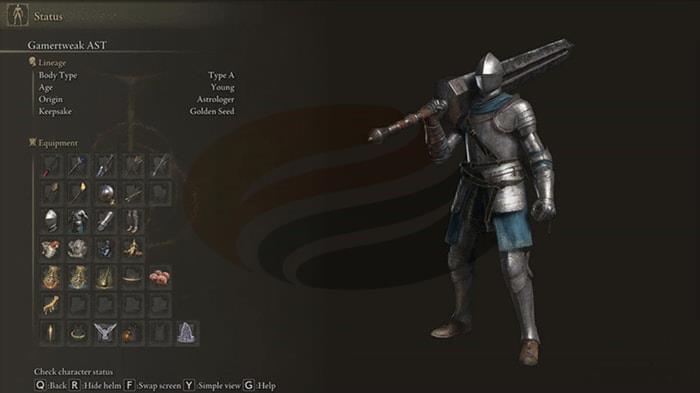
Ash of War selection dramatically enhances this build’s effectiveness. Colossus Roar significantly amplifies both damage output and stagger potential, while Colossus Shield creates temporary damage absorption that can save you in critical moments. Timing these abilities correctly—using the shield before engaging groups and the roar during boss openings—separates average players from masters of this archetype.
Glass Cannon Mages sacrifice defensive capabilities for unparalleled magical destruction, specializing in Intelligence and Arcane attributes to maximize spell potency. This high-risk, high-reward playstyle demands exceptional positioning and situational awareness since even minor mistakes can prove fatal given the limited health pool.
The legendary Moonlight Greatsword anchors this build, serving both as a formidable melee option and a ranged magical projectile launcher. The weapon’s unique heavy attack releases a powerful beam of energy that scales with Intelligence, making it devastating against both single targets and groups when properly aimed.
Catalyst optimization is essential for maximizing damage output. The Moonlight Staff not only enhances spell power but extends effective range, allowing you to engage enemies from safer distances. Pair this with the Carian Regal Scepter for maximum versatility across different combat situations.
Strategic Ash of War usage defines elite mage players. Moonlight Burst dramatically improves projectile velocity and impact force, while Moonlight Veil provides crucial temporary invisibility that can create openings or enable escapes. Advanced practitioners master the art of alternating between visibility states to control engagement pacing.
Samurai Bleed builds master the art of rapid hemorrhage accumulation through dexterity-focused weapons and arcane enhancements. This playstyle excels at dealing percentage-based damage that bypasses enemy defenses, making it particularly effective against high-health bosses and tanky PvP opponents.
The Bloodlust Katana serves as the primary weapon, featuring a unique self-sacrifice mechanic that temporarily amplifies damage at the cost of health management complexity.
Weapon synergy creates devastating combinations. The Blood Whip complements the katana perfectly, applying bleed buildup with exceptional range and area coverage. Successful players learn to alternate between these weapons fluidly, using the whip to initiate engagements and the katana for decisive finishing blows.
Ash of War abilities transform this build from competent to exceptional. Bloodlust enhances hemorrhage effects across both weapons, while Blood Mist creates strategic area denial and surprising self-healing opportunities that can reverse losing battles.
Character progression significantly impacts this build’s performance. As your attributes increase, the bleed accumulation rate and damage multipliers improve substantially. Investing in Elden Ring runes becomes increasingly important for maintaining competitive performance in late-game content and high-level PvP matches.
Dexterity-focused builds emphasize finesse over brute force, utilizing weapons that reward precision timing and rapid attack sequences. These loadouts typically feature lower equipment loads for enhanced mobility, allowing players to evade attacks rather than absorb them.
The Flowing Swordsman archetype combines elegance with devastation through curved sword mastery. The Flowing Curved Sword’s charged attack unleashes a beautiful yet deadly flurry of slashes that can decimate groups when properly executed.
Bloodhound Knight enthusiasts replicate the aggressive style of their namesake boss. These weapons feature exceptional mobility options through the Bloodhound’s Step ash of war, creating hit-and-run tactics that frustrate opponents while steadily building bleed effects.

Storm Blade specialists harness elemental power through lightning-infused attacks. This variant sacrifices some bleed potential for raw elemental damage and stunning effects that can create openings against even the most aggressive enemies.
Mastering these builds requires understanding advanced optimization techniques beyond basic stat allocation. Proper attribute distribution follows specific breakpoints: for strength builds, aim for 54 strength to maximize two-handed damage scaling, while dexterity builds benefit most from reaching the 80 dexterity soft cap for optimal returns.
Common beginner mistakes include over-investing in damage stats while neglecting vigor, resulting in glass cannon builds that die too easily to be effective in most content.
Gear enhancement follows strategic progression paths. Prioritize upgrading your primary weapon to +9 or +24 before investing in secondary options. Talisman selection should complement your primary strategy—use the Great-Jar’s Arsenal for equip load management or the Lord of Blood’s Exultation for bleed-focused builds.
Combat strategy varies significantly between PvE and PvP contexts. In player-versus-environment content, focus on sustained damage and survivability, while PvP demands burst damage and unpredictable movement patterns.
These powerful loadouts represent just the beginning of Elden Ring’s build diversity. The true mastery comes from understanding how to adapt these frameworks to your personal playstyle while mastering the timing and spacing that each weapon type demands.
Action Checklist
- Determine your preferred playstyle: brute force, magical ranged, or swift bleed-focused combat
- Allocate stats according to build requirements, prioritizing key attributes first
- Acquire and upgrade your primary weapon to maximum level
- Practice Ash of War timing in safe environments before crucial encounters
- Test your build against various enemy types to identify weaknesses and strengths
- Adjust talismans and armor based on specific challenge requirements
No reproduction without permission:GameCDjnh » Best Builds in Elden Ring New Patch 1.10 Master Elden Ring's most powerful builds with expert strategies, optimization tips, and common pitfalls to avoid