
Master Tainted Grail’s class system with strategic archetype selection and optimization tips for early game advantage
Understanding the Archetype Selection System
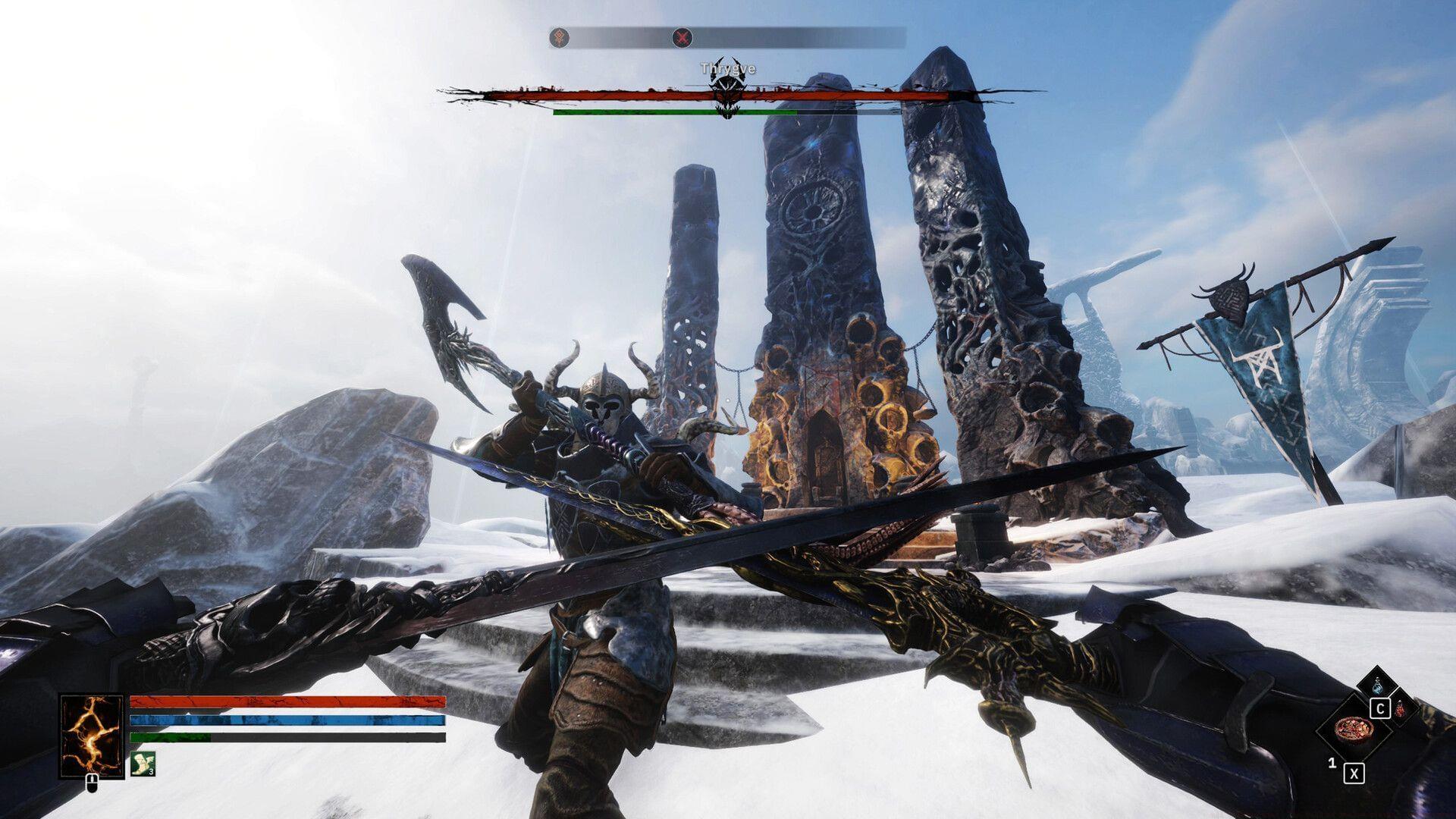
Your journey through the corrupted lands of Avalon begins with a crucial decision made within the confines of your prison cell. The guard’s interrogation about your forest activities isn’t just flavor text—it’s the foundational moment that shapes your entire gameplay experience. This dialogue-driven class selection system represents one of the most innovative approaches to character creation in modern RPGs.
The statistical foundation remains consistent across all choices: every attribute begins at a baseline of 10 points. Your archetype selection then layers specific bonuses atop this foundation, creating your unique starting build. The total statistical advantage you receive equals the base allocation plus subclass-specific enhancements. For those seeking maximum flexibility, refusing to answer both interrogation questions unlocks the Classless option, providing zero bonuses but complete developmental freedom.
Comprehensive Archetype Breakdown
Warrior-Focused Archetypes
Archer Specialization – This martial path offers two distinct approaches to combat. The aggressive variant begins with Burning Ember, a destructive fire spell perfect for players who prefer direct confrontation. The alternative warrior path provides Blood Transfusion, offering sustainability through healing capabilities that complement your martial prowess.
Crafting and Survival Specializations
The forest survival responses reveal three distinct non-combat paths: Tailoring (using fur for clothing), Culinary Arts (cooking proficiency), and Alchemical Studies (collecting rare materials). Each represents a different approach to surviving Avalon’s dangers through craft and preparation rather than direct confrontation.
Magic and Healing Pathways
When questioned about magical abilities, your response determines your arcane alignment. Choosing healing magic grants immediate access to Blood Transfusion, making you invaluable for survival. Alternatively, selecting the destructive path provides Burning Ember, perfect for players who prefer offensive magical solutions.
Stealth and Alternative Combat
The final interrogation branch offers tactical diversity: the straightforward archery declaration or the subtle avoidance approach that provides the invaluable Lockpick ability. This stealth-oriented choice opens alternative progression paths through environmental interaction rather than combat.
Read also: Can you change difficulty mode in Fantasy Life i The Girl Who Steals Time
Strategic Class Selection Guide
Choosing your archetype requires understanding how each decision impacts your early-game survival strategy. The initial hours in Tainted Grail present significant challenges, and your starting abilities can mean the difference between overcoming obstacles and repeated failures.
Avoid These Common Mistakes: New players often select archetypes based purely on roleplaying preferences without considering gameplay implications. While flavor matters, practical considerations should guide your choice. Don’t choose the crafting path if you prefer direct combat, and avoid magic specializations if you’re uncomfortable with resource management. Another frequent error is underestimating the value of utility abilities like Lockpick, which can bypass challenging encounters entirely.
Advanced Optimization Strategies: Experienced players should consider ability synergy and long-term development. The Burning Ember spell provides early area control, while Blood Transfusion offers sustainability for extended exploration sessions. Lockpick enables sequence breaking and alternative routing. Consider how your starting abilities complement your intended playstyle rather than choosing in isolation.
The Classless Challenge Option
Pick: Stay Silent (twice)
Electing to remain silent during both interrogation phases initiates the most challenging yet rewarding path: the Classless adventurer. This choice provides absolutely no statistical bonuses or specialized abilities, with every attribute remaining at the baseline 10 points. While this represents the minimum possible starting power level, it offers unparalleled build flexibility for players who enjoy complete control over character development.
The Classless path eliminates early power spikes in favor of long-term customization freedom. You’ll face steeper initial challenges without specialized abilities, but gain the ability to shape your character organically based on discovered gear and encountered situations rather than predetermined specialization. This approach suits experienced RPG veterans who understand Avalon’s mechanics and prefer crafting unique builds rather than following established archetypes.
Each archetype in Tainted Grail: The Fall of Avalon provides directional guidance for your journey, whether through spellcasting dominance, stealthy infiltration, craft mastery, or martial supremacy. Your starting abilities—whether offensive spells like Burning Ember, supportive magic like Blood Transfusion, or utility skills like Lockpick—fundamentally reshape your early survival strategies and exploration capabilities.
That’s all for now on classes (Archetypes) in Tainted Grail The Fall of Avalon.
Check out: Last of Us fans should definitely try this upcoming post-apocalyptic game
No reproduction without permission:GameCDjnh » All Tainted Grail The Fall of Avalon classes (Archetypes) Master Tainted Grail's class system with strategic archetype selection and optimization tips for early game advantage