
Master Among Us sabotage tactics to dominate as impostor with strategic door, lights, comms, and reactor control
The Strategic Power of Sabotage
Many impostors underestimate the game-changing potential of strategic sabotage deployment in Among Us. While eliminations create immediate threats, sabotage operations enable systematic control over the entire match flow and crewmate behavior patterns. Mastering these tools separates novice impostors from truly dangerous opponents who manipulate the battlefield to their advantage.
Sabotage functions as the impostor’s exclusive toolkit for disrupting crewmate task completion rhythms and creating advantageous situations. What makes sabotage particularly devastating is how certain critical system failures can deliver automatic victory when crewmates fail to respond within strict time limits. Other sabotage types provide tactical advantages by stalling opponents until your elimination ability recharges or creating visual conditions that favor your stealth movements.
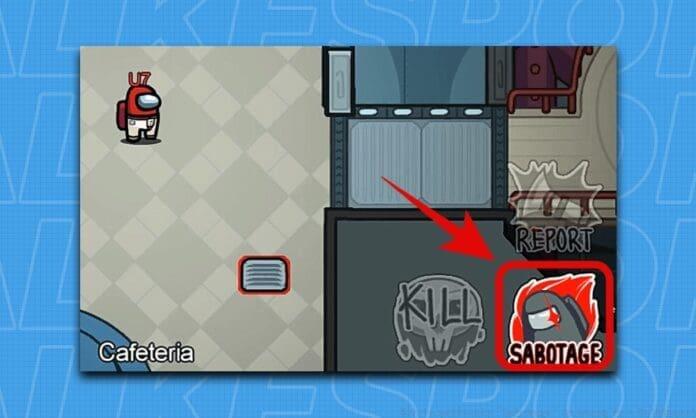
Let’s explore the comprehensive strategic applications of Among Us sabotage features that will transform your impostor gameplay from random killing to calculated domination.
Door Sabotage: Isolation and Escape Tactics
Strategic door control represents one of the most versatile sabotage tools available to impostors. Most rooms across all Among Us maps feature lockable doors that can be remotely sealed by impostors, creating temporary barriers that last for predetermined durations. This isolation mechanism enables precise trap setting and escape route creation.
When you identify a vulnerable crewmate isolated in a room with you, immediately trigger the door sabotage, execute your elimination, and utilize the ventilation system for instant escape. Crewmates discovering the aftermath will face complete uncertainty about perpetrator identity since the closed door prevented witness observation. This technique works exceptionally well in high-traffic areas like Cafeteria, Medbay, and Electrical where multiple entrance points exist.
Advanced positioning strategies involve anticipating crewmate movement patterns and sabotaging doors behind them to trap groups separately. For instance, locking Navigation doors on Polus while crewmates are inside creates perfect isolation scenarios. Remember that door sabotages have relatively short cooldowns, allowing frequent use throughout matches to constantly disrupt crewmate coordination.
Lights Out: Vision Control and Ambush Opportunities
Electrical system sabotage dramatically reduces crewmate visual range to near-blindness levels while maintaining full visibility for impostors. This creates perfect conditions for stealth eliminations and positional confusion. When lights fail, crewmates cluster at the electrical panel creating both chaos and predictable movement patterns.
The optimal lights sabotage timing coincides with your elimination cooldown completion, allowing immediate action during the visual disadvantage period. As crewmates gather to restore power, randomly flipping switches in different locations extends the repair time, buying additional precious seconds for your next elimination opportunity. This switch manipulation tactic works because crewmates must typically coordinate which specific switches need activation across multiple map locations.
Advanced impostors combine lights sabotage with door controls to trap repair crews in electrical rooms, creating multi-layer confusion. The vision advantage also enables safe vent travel between distant map sections since reduced crewmate sightlines make detection significantly less likely during movement between areas.
Comms Sabotage: Information Warfare
Communications system disruption represents information warfare at its most effective in Among Us. This sabotage completely disables security camera surveillance systems while simultaneously removing task progress displays from crewmate interfaces. The dual impact creates both blindness and confusion among opposing players.
Security camera denial proves particularly valuable on maps like Polus and The Skeld where observant crewmates frequently monitor high-traffic corridors and room entrances. With cameras offline, you gain freedom of movement for eliminations and sabotage actions without fear of being recorded. The removed task display prevents crewmates from tracking overall progress toward victory, creating uncertainty about game state and appropriate priorities.
Strategic comms sabotage timing involves activating it during critical moments when crewmates would normally rely on camera intelligence, such as after a body discovery or when multiple players are scattered across the map. The temporary information blackout enables repositioning and eliminates electronic witnesses to your movements.
Game-Ending Sabotages: Oxygen and Reactor Control
Critical system sabotages targeting life support (O2) or reactor core stability provide instant victory conditions when properly executed. Crewmates face strict 30-second response windows to complete multi-step repair procedures at separate map locations. Failure to coordinate these repairs results in automatic impostor victory regardless of remaining crewmate numbers.
The most devastating strategy involves fake repair participation where you position yourself at one repair station while secretly causing the sabotage. When unsuspecting crewmates arrive to assist with the fix, eliminate them during the vulnerable repair animation sequence. This approach proves exceptionally effective during endgame scenarios when you’re the sole remaining impostor and players naturally split into pairs to address both repair stations simultaneously.
Advanced timing for these game-ending sabotages involves waiting until crewmates are geographically separated or distracted by other tasks. Oxygen sabotage on The Skeld works well when players are dispersed between upper and lower engine rooms, while reactor meltdown on Polus capitalizes on the large distance between the laboratory and office repair points. Remember that these major sabotages have longer cooldowns, so reserve them for optimal victory opportunities rather than random activation.
Advanced Sabotage Combinations and Timing
Master impostors don’t use sabotage abilities in isolation but rather create devastating combinations that overwhelm crewmate response capabilities. Sequence doors sabotage immediately followed by lights outage to trap players in darkness while preventing escape. Follow with comms disruption to eliminate their information gathering options, creating complete chaos and isolation.
Cooldown management becomes critical when planning multi-sabotage sequences. Track your ability timers and coordinate with impostor partners in multiplayer games to maintain constant pressure. The most effective impostors create sabotage rhythms that never allow crewmates to establish stable task completion patterns or investigation routines.
Creative application extends beyond basic mechanics—use reactor sabotage as a distraction while eliminating isolated targets elsewhere, or trigger oxygen failure when crewmates are naturally clustered near one repair station to force dangerous splitting. The sabotage tool’s versatility enables endless strategic variations that keep opponents perpetually off-balance and reactive rather than proactive.
Next time you draw the impostor role, move beyond simple eliminations and embrace the strategic depth that proper sabotage deployment offers. These tools transform you from a mere threat to an unstoppable force controlling the entire match flow.
No reproduction without permission:GameCDjnh » How to perfectly “Sabotage” in Among Us » TalkEsport Master Among Us sabotage tactics to dominate as impostor with strategic door, lights, comms, and reactor control