
Master 7 Days to Die armor sets with strategic insights, practical tips, and optimization strategies for survival
Introduction to Armor Mechanics
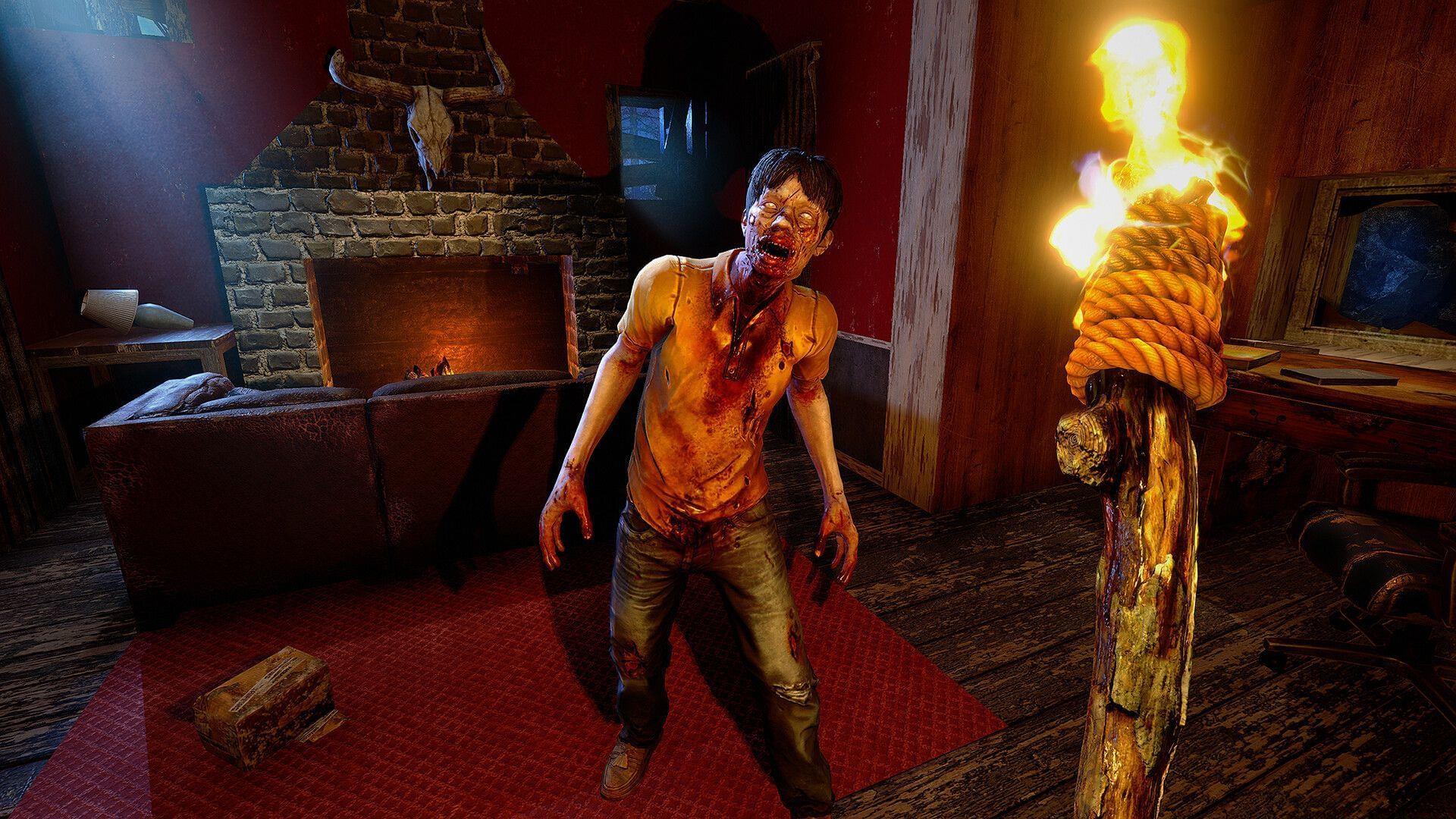
7 Days to Die presents survivors with a comprehensive armor system featuring 16 distinct protective sets that can be crafted and unlocked throughout your apocalyptic journey. Each armor piece provides individual stat enhancements, while complete sets often unlock powerful bonus modifiers that significantly impact survival capabilities. Understanding the intricate balance between protection, mobility, and specialized bonuses is crucial for long-term survival in this harsh zombie-infested world.
The armor classification follows a clear tier system: Light Armor emphasizes stealth and agility, Medium Armor offers balanced protection with manageable penalties, while Heavy Armor provides maximum damage reduction at significant mobility costs. This foundational understanding helps players make informed decisions based on their current situation, available resources, and personal playstyle preferences.
Light Armor Sets Analysis
Light Armor represents the stealth specialist’s choice, providing minimal protection but maintaining full mobility and quiet movement. These sets are ideal for players who prefer avoiding confrontation through stealth tactics or those in early game stages where resource conservation is paramount. The five Light Armor sets include basic cloth outfits, leather hides, and specialized stealth gear that complement agile playstyles.
Here’s a detailed examination of their strategic applications:
Cloth Armor: The most basic protection, easily craftable from early-game materials like plant fibers and cloth fragments. While offering minimal damage reduction, it imposes zero mobility penalties, making it perfect for brand-new survivors establishing their first base.
Leather Armor: Provides improved protection over cloth while maintaining decent mobility. This set serves as an excellent transitional armor between early and mid-game phases, offering reasonable defense without significant crafting investment.
Military Stealth Gear: Specialized for covert operations with enhanced stealth modifiers. This set dramatically reduces detection ranges and noise generation, ideal for nighttime scavenging runs or infiltrating heavily populated urban areas.
Practical Tip: Always carry a light armor set for scavenging missions even if you primarily use heavier protection. The mobility advantage can mean the difference between successful loot retrieval and becoming zombie food.
Common Mistake: Many players underestimate light armor’s value in late game. Even experienced survivors should maintain a stealth set for specific missions where avoiding combat is preferable to confrontation.
Medium Armor Sets Breakdown
Medium Armor establishes the perfect balance between protection and practicality for mid-game progression. These six sets provide substantially improved damage reduction compared to light variants while managing mobility and noise penalties at reasonable levels. The unique bonus effects offered by complete medium armor sets often provide game-changing advantages that justify their crafting costs.
The medium armor collection includes tactical vests, reinforced leather, military fatigues, and specialized protective gear designed for sustained combat encounters. As you advance through your gameplay cycle, transitioning to medium armor becomes essential for handling increased zombie threats during blood moons and dangerous POI explorations.
Here’s a strategic overview of medium armor applications:
Reinforced Leather Set: An upgraded version of basic leather with improved protection stats. This set offers the most accessible entry into medium armor category with moderate crafting requirements.
Military Armor: Provides excellent ballistic and melee protection with specialized bonuses for firearm usage. The complete set bonus often enhances weapon handling or reload speeds, making it ideal for gun-focused builds.
Tactical Armor: Balanced protection with modest penalties, suitable for general exploration and base defense. This versatile set works well for players who haven’t specialized into specific combat styles.
Optimization Tip: Mix and match medium armor pieces with light or heavy components to create hybrid sets that minimize penalties while maximizing specific protective needs for your current activities.
Advanced Strategy: Time your medium armor crafting to coincide with anticipated difficulty spikes, particularly before blood moon events or planned expeditions into high-danger zones like cities and military installations.
Heavy Armor Sets Examination
Heavy Armor represents the pinnacle of personal protection in 7 Days to Die, offering maximum damage reduction against all threat types. This superior defense comes with substantial trade-offs: significantly reduced stamina regeneration, movement speed penalties, and dramatically increased noise generation that attracts zombies from greater distances. The four heavy armor sets include plated, industrial, and military-grade protection designed for frontline combat situations.
Here’s an in-depth look at heavy armor considerations:
Steel Armor: The most accessible heavy armor with impressive melee and projectile protection. Its substantial weight makes stamina management crucial, requiring players to invest in relevant perks or consumables.
Military Heavy Armor: Top-tier protection with specialized bonuses for squad play or base defense scenarios. This set often features unique modifiers that benefit players holding defensive positions during horde nights.
Industrial Armor: Heavy plating suitable for melee-focused builds engaging in close-quarters combat. The set bonuses typically enhance melee damage or stagger effects, complementing aggressive playstyles.
Stamina Management Technique: Always carry coffee, grain alcohol, or other stamina-boosting consumables when using heavy armor. The mobility penalties can quickly become lethal if you’re caught without stamina during zombie encounters.
Temperature Warning: Heavy armor significantly increases body heat, making you more susceptible to temperature effects. Always monitor your thermal status and carry appropriate clothing layers for climate adjustments.
Strategic Selection Guide
Choosing the right armor involves evaluating multiple factors beyond simple protection statistics. Your current game stage, available resources, specialized playstyle, and immediate objectives should all influence armor selection decisions. New players often make the mistake of rushing toward heavy armor without considering the substantial penalties, while experienced survivors maintain multiple sets for different scenarios.
Playstyle Alignment: Stealth players should prioritize light armor with stealth modifiers, while tank builds benefit from heavy protection. Hybrid approaches work well for versatile survivors who adapt tactics based on situations.
Progression Planning: Start with cloth/leather armor, transition to medium protection around gamestage 50-100, and consider heavy armor for gamestages beyond 150 when facing enhanced zombie threats.
Resource Investment Strategy: Consider repair costs and material availability when committing to armor sets. Heavy armor requires significant resource investment for both crafting and maintenance.
Common Selection Mistakes: Avoid wearing full heavy armor for scavenging runs due to mobility restrictions. Don’t underestimate medium armor’s balanced approach in mid-game. Never ignore set bonuses that might complement your character build.
Advanced Optimization: Create specialized loadouts for different activities: stealth sets for looting, balanced protection for exploration, and heavy armor for base defense events. This situational approach maximizes survival efficiency throughout your gameplay cycle.
That covers everything you need to know about strategically selecting and utilizing armor sets in 7 Days to Die.
For additional survival strategies and game mechanics explanations, explore our comprehensive 7 Days to Die beginner’s guide and advanced base building techniques.
No reproduction without permission:GameCDjnh » 7 Days to Die: All armor sets Master 7 Days to Die armor sets with strategic insights, practical tips, and optimization strategies for survival