
Master the top 5 boss encounters in Where Winds Meet with expert strategies and combat insights
Introduction to Where Winds Meet Boss Design Philosophy
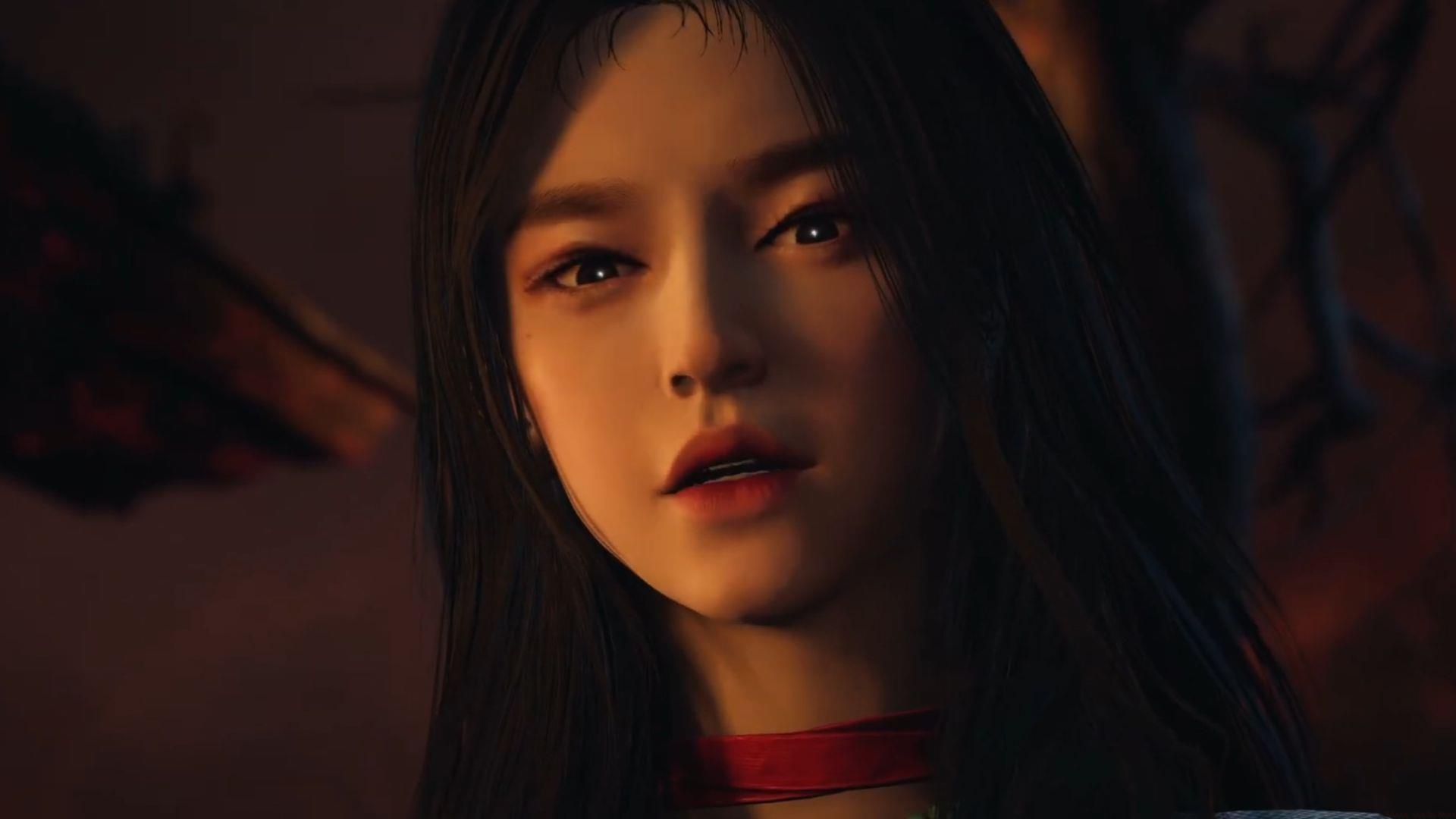
Where Winds Meet presents a diverse roster of challenging boss encounters spanning both main story progression and open-world exploration. Each confrontation demonstrates meticulous design with distinct combat mechanics and environmental interactions that elevate the gameplay experience beyond simple pattern recognition. The developers have implemented a sophisticated approach to boss design where visual spectacle merges seamlessly with tactical complexity.
What distinguishes these encounters is how they progressively test player mastery through multi-phase transitions, environmental manipulation, and unique gimmicks that prevent combat from becoming repetitive. Successful players must adapt to evolving battle conditions while capitalizing on specific counter opportunities presented by each boss’s attack patterns and arena layout.
Qianye: The Reflection Master
Early in Chapter 1, players encounter Qianye, whose combat introduction begins deceptively simple before transforming into one of the game’s most visually striking encounters. The initial phase occurs in a confined space that suddenly undergoes dramatic spatial reconstruction when health reaches approximately 60%, completely altering tactical considerations and sightlines.
Qianye employs reflection-based mechanics that can disorient unprepared fighters. His moveset appears complex but follows predictable rhythms once you identify the visual cues preceding each attack sequence. The key to mastering this encounter lies in maintaining spatial awareness during phase transitions while exploiting brief vulnerability windows after his reflection attacks.
Pro Tip: Position yourself near arena edges during phase one to quickly adapt when environmental changes occur. Watch for shimmering visual effects that indicate incoming reflection-based assaults, and counter with quick, precise strikes during the recovery animation frames.
The Void King: Moonveil Mountain Guardian
Located within Qinghe’s Moonveil Mountain region, The Void King represents one of the more accessible boss encounters that nevertheless teaches essential combat fundamentals. This entity employs a balanced mix of melee combos and projectile attacks that respond predictably to player positioning. Maintaining medium distance triggers his devastating ranged assaults, while close-quarters combat tests parrying proficiency.
The rock plateau battlefield beneath the ancient tree provides both advantages and limitations. The confined space restricts evasion options but offers clear sightlines for reading attack telegraphs. Unlike more complex arenas, this straightforward environment emphasizes pure combat skill over environmental manipulation.
Common Mistake: Many players instinctively create distance when overwhelmed, inadvertently triggering The Void King’s most dangerous ranged patterns. Instead, stay engaged at melee range and master the parry timing for his three-hit combos, which create extended opening windows.
Tian Ying: Statue Animator
The climax of the Promised Light questline in Sundara Land brings players face-to-face with Tian Ying, whose shamanistic design reflects his ability to manipulate the battlefield’s giant statues. The encounter progresses through three distinct phases that gradually introduce new environmental hazards and attack vectors. Phase one serves as an introductory pattern recognition test before the true complexity emerges.
During phases two and three, Tian Ying animates the surrounding statues, transforming them into active combatants that must be avoided or destroyed. This multi-layered approach requires constant target priority assessment and situational awareness. The statues don’t just serve as background decoration but become integral to the combat mechanics.
Advanced Tactic: Destroy one statue during phase transitions to create safe zones. Tian Ying’s statue-summoning animations provide your best damage opportunities. Focus on breaking line of sight with the active statues while maintaining pressure on the boss during his channeling sequences.
Murong Yuan: Dual Combat Specialist
Murong Yuan’s encounter introduces the game’s most demanding target management challenge when she summons her Wooden Eagle companion during the second phase. The initial stage focuses on learning her solo attack patterns before the battle escalates to a completely different dynamic. The transition to a ship deck arena further complicates spatial management with its narrow platforms and limited maneuvering space.
Simultaneously engaging both Murong Yuan and her aerial companion requires careful positioning and threat assessment. The Wooden Eagle employs diving attacks that can be baited into damaging the boss if properly timed. While visually less spectacular than other encounters, the mechanical complexity provides substantial satisfaction for players who master its dual-combat rhythm.
Optimization Strategy: Use the ship’s mast and rigging for temporary cover against the Wooden Eagle’s projectile attacks. Time your dodges to position Murong Yuan between yourself and her eagle, allowing their attacks to accidentally damage each other during coordinated assaults.
Ye Wanshan: Mounted Combatant
Ye Wanshan breaks convention by engaging players while mounted throughout the entire encounter, creating unique movement patterns and attack angles that differentiate him from other bosses. This horseback combat style will feel familiar to Sekiro veterans who faced Gyoubu Oniwa, employing similar hit-and-run tactics and wide-reaching weapon swings.
The persistent mount provides both advantages and vulnerabilities. While it increases Ye Wanshan’s mobility and attack range, it also creates predictable movement patterns and larger parry windows. Most of his attacks can be effectively countered through well-timed parries that temporarily stagger both rider and mount.
Sekiro Comparison: Like Gyoubu Oniwa, Ye Wanshan’s charge attacks leave him momentarily stationary after missing, providing prime damage opportunities. His sweeping halberd strikes have clearer parry timing than many ground-based enemies, making this an excellent encounter for practicing deflection skills.
Advanced Combat Optimization
Mastering Where Winds Meet’s boss encounters requires understanding the deeper combat systems beyond basic pattern recognition. Each boss tests different skill sets, from Qianye’s spatial awareness to Murong Yuan’s multi-target management. Successful players develop specialized approaches for each encounter rather than relying on universal strategies.
Resource Management: Conserve special abilities and consumables for phase transitions when bosses are most vulnerable. Healing items should be timed during animation locks after big attacks rather than during active combat sequences.
Build Specialization: Consider respeccing your character for specific boss encounters. High mobility builds excel against Ye Wanshan and The Void King, while burst damage specialists perform better against Tian Ying and Murong Yuan during their summoning animations.
Also read: Where Winds Meet walkthrough: Gathering of Heroes (Universal Furnace)
Check out the following articles related to Where Winds Meet:
No reproduction without permission:GameCDjnh » 5 best boss fights in Where Winds Meet Master the top 5 boss encounters in Where Winds Meet with expert strategies and combat insights