
Master Death Stranding 2’s Timefall mechanics with essential survival strategies and cargo protection techniques
Understanding Timefall Mechanics
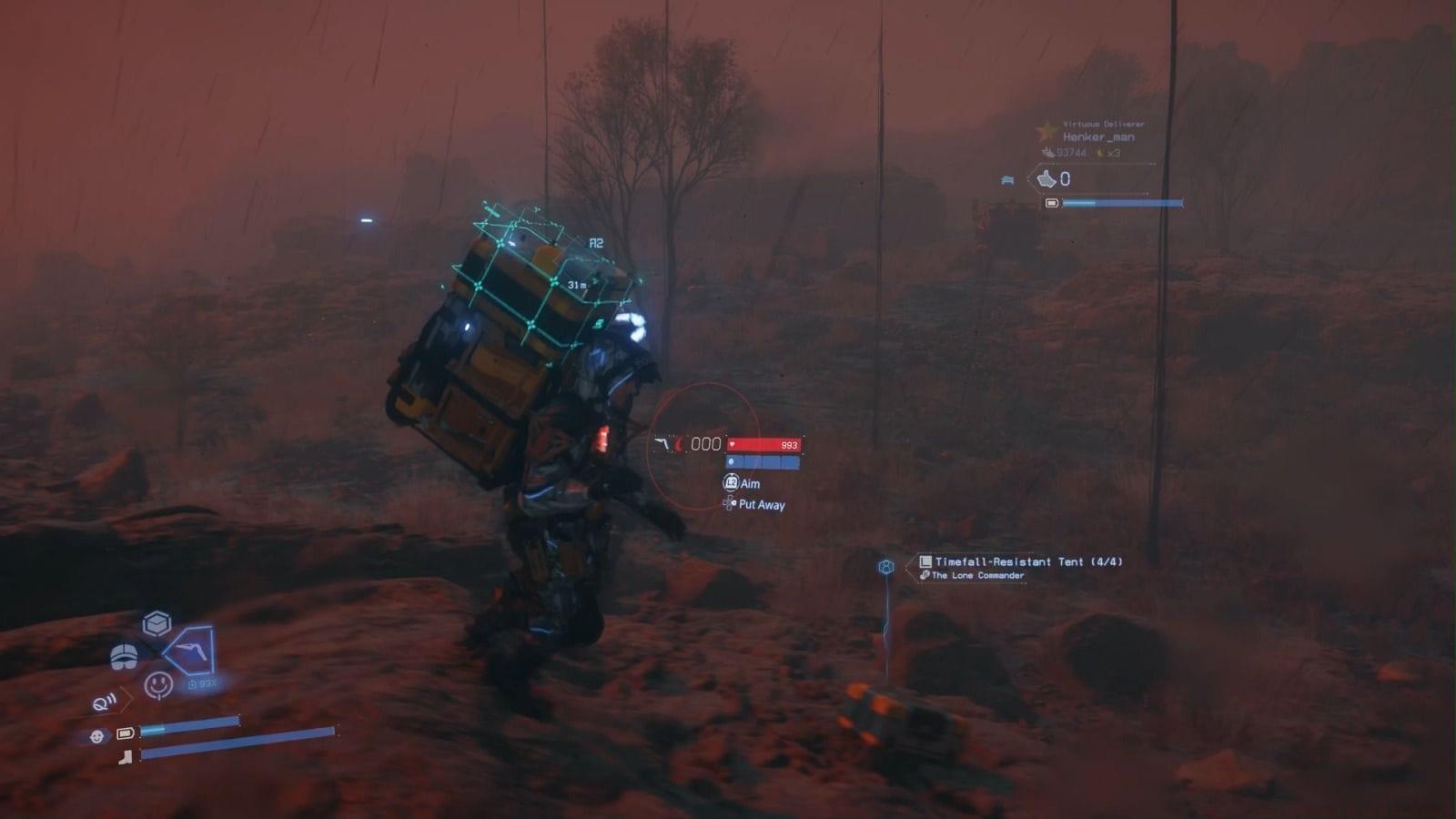
Timefall in Death Stranding 2 represents a sophisticated environmental hazard system that demands strategic adaptation from players. This accelerated precipitation causes rapid temporal erosion of both organic and manufactured materials, creating constant pressure during delivery missions. The mechanic builds upon the foundation established in the original game while introducing nuanced interactions with the expanded game world.
Beyond the obvious rainfall, Timefall manifests through distinctive atmospheric phenomena including inverted chromatic arcs in the sky. These visual indicators serve as crucial early warning systems, allowing experienced porters to anticipate hazardous conditions before full exposure occurs. The game’s automated protection systems activate immediately, with Sam’s suit deploying protective headgear as atmospheric sensors detect temporal distortion particles.
Advanced players should note that Timefall intensity varies by region and weather patterns, with some areas experiencing near-constant precipitation while others offer temporary respites. Understanding these patterns becomes essential for long-distance route planning and resource management throughout your journey across fractured America.
Timefall Damage Effects
The corrosive properties of Timefall create multi-layered challenges affecting every aspect of porter operations. Cargo containers experience progressive structural degradation that compromises delivery quality ratings if left unchecked. Vehicle integrity suffers similarly, with chassis and propulsion systems accumulating wear that eventually leads to operational failure during critical missions.
Strategic consideration must be given to cargo value prioritization, as high-value deliveries warrant immediate protection while standard shipments might tolerate brief exposure. The damage progression follows non-linear patterns, with initial minor deterioration accelerating dramatically after prolonged contact. This creates decision-point moments where players must choose between pressing forward or seeking immediate shelter.
Equipment degradation extends beyond visible cargo damage to include subtle system malfunctions in scanning devices and communication equipment. These secondary effects can impair navigation capabilities and isolate players from critical mission updates, compounding the direct physical damage to delivered goods. Proactive maintenance becomes non-negotiable for successful long-term porter operations.
Countermeasures and Protection
Container Repair Sprays deliver targeted temporal stabilization to compromised cargo, effectively reversing molecular-level deterioration through advanced nanotechnology. These portable solutions offer immediate field repairs but operate with limited application charges, requiring careful inventory management. Optimal usage involves applying sprays at approximately 50% cargo degradation to maximize efficiency while preserving resources for emergency situations.
Timefall Shelters provide comprehensive environmental protection through localized chronal stabilization fields. These structures not only halt ongoing damage but actively restore cargo to pristine condition over brief shelter periods. Strategic placement of portable shelters along common delivery routes creates safety networks that support extended expeditions through high-precipitation zones.
Vehicle maintenance facilities like the DHV Magellan garage offer complete mechanical restoration services, though accessing these locations requires careful navigation through hazardous terrain. The canteen replenishment benefit during Timefall exposure creates interesting risk-reward calculations, as brief strategic exposure can restore hydration while minimizing cargo damage through precise timing and route selection.
Advanced Survival Strategies
Mastering Timefall management requires developing sophisticated navigation protocols that minimize exposure while maintaining delivery efficiency. Pre-mission meteorological analysis allows players to identify temporary safe windows for traversing high-risk areas. Establishing cache points with repair materials along frequently traveled routes creates redundancy systems for emergency scenarios.
Common strategic errors include underestimating exposure duration during complex terrain navigation and over-relying on repair sprays instead of proactive avoidance. Advanced porters maintain dynamic risk assessment during missions, continuously evaluating weather patterns, cargo vulnerability, and available resources to make real-time route adjustments.
Vehicle deployment strategies should incorporate sheltered parking locations and rapid evacuation protocols when unexpected Timefall events occur. The integration of environmental scanning upgrades provides enhanced predictive capabilities, transforming Timefall from an unpredictable hazard into a manageable logistical consideration through proper preparation and equipment selection.
No reproduction without permission:GameCDjnh » What is Timefall in Death Stranding 2? Master Death Stranding 2's Timefall mechanics with essential survival strategies and cargo protection techniques