
TL;DR
- Vampirism provides unique skill lines with powerful abilities but fire vulnerability
- Three acquisition methods: natural infection, player bite, or Crown Store purchase
- Manage four progressive stages through feeding or consumables for optimal gameplay
- Dunmer and Breton races offer best fire resistance for vampire builds
- Curing vampirism requires visiting specific Mages Guild locations
Embracing vampirism in The Elder Scrolls Online grants access to extraordinary supernatural abilities that can transform your gameplay experience. This comprehensive guide explores everything you need to know about becoming one of Tamriel’s feared nocturnal predators while managing the inherent weaknesses.

Benefits and Drawbacks Analysis
Acquiring the vampire skill line introduces devastating combat capabilities that can dominate PvE and PvP encounters. The Bat Swarm ultimate creates a defensive offensive barrier while dealing area damage, Drain Essence provides sustainable resource management, and Mist Form offers unparalleled mobility with projectile immunity.
Passive abilities significantly enhance vampire effectiveness. Supernatural Recovery boosts Magicka and Stamina regeneration, Undeath provides damage reduction at low health, Unnatural Movement enhances sneak speed, and Blood Ritual enables you to transform other players.
Strategic consideration: Vampires suffer increased fire damage (up to 20% at Stage 4) and experience progressively worse health regeneration penalties. Advanced players mitigate these weaknesses through race selection, gear choices, and situational stage management.
Drawbacks Requiring Management
The fire vulnerability becomes particularly dangerous in dungeons with fire-based bosses or against Dragonknights. Health regeneration penalties require altered combat approaches focusing more on active healing abilities.
Common mistake: New vampires often underestimate stage progression consequences. At Stage 4, NPCs become hostile on sight, making town interactions impossible without stage reduction.
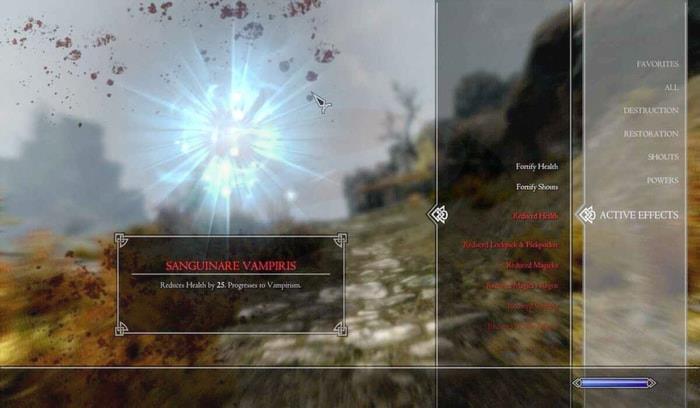
Now, having examined the benefits and drawbacks of becoming a Vampire in ESO, it’s essential to understand Sanguinare Vampiris mechanics:
1. Infection occurs exclusively through Blood Fiend attacks with low transmission rates
2. The disease has a 72-hour in-game timer before becoming permanent
3. Visiting specific altars can reverse early-stage infection before completion
4. Stage maintenance requires strategic feeding decisions balancing power gains with social consequences

The Elder Scrolls Online provides multiple pathways to vampirism, each with distinct advantages and time investments. Understanding these methods helps you choose the approach that best fits your playstyle and resources.
1. Natural Infection Strategy
Blood Fiends represent the authentic path to vampirism, appearing exclusively between midnight and dawn during new moon phases. These nocturnal enemies spawn most frequently in end-game zones: Reaper’s March (Aldmeri Dominion), The Rift (Ebonheart Pact), and Bangkorai (Daggerfall Covenant).
Optimization tip: Camp specific spawn locations during new moons with a friend to increase encounter probability. The infection rate per successful hit averages approximately 5%, requiring multiple encounters for transmission.
Time estimate: Finding and getting infected by Blood Fiends typically requires 2-4 hours of dedicated hunting during optimal lunar conditions.
2. Player Bite Method
Community-based transformation offers the most reliable infection method. Utilize zone chat in vampire-prone areas or join dedicated vampire guilds to find players offering bite services.
Critical verification: Ensure the biting player has unlocked Blood Ritual passive ability and both characters position themselves near an active vampire shrine.
Advanced strategy: Negotiate pricing before accepting bites—typical costs range from 1,000-5,000 gold. If currency-limited, consider our Weapons Unlock guide for gold acquisition methods. Preparation reduces exploitation risk.
3. Crown Store Purchase
The premium approach bypasses random infection mechanics entirely. Curse of Vampirism costs 1,500 Crowns for immediate Stage 1 transformation, while the complete Vampire Skill Tree purchase (3,000 Crowns) instantly maximizes your vampire progression.
Strategic consideration: This method suits players valuing time efficiency over traditional roleplaying immersion. Consider your Class Guide to optimize vampire build compatibility.

Scion of the Blood Matron quest
Upon successful Sanguinare Vampiris infection, the Scion of the Blood Matron quest becomes available, initiating your formal transformation into vampire society.
Quest initialization: Travel to the nearest Wayshrine where vampire emissary Vorundil provides mission details and transportation to Blood Matron’s crypt.
Meeting Rahaja: This knowledgeable NPC delivers essential vampire lore and assigns specific objectives including vision interpretation from mystical basins and their subsequent destruction.
Advanced preparation: Before accepting the quest, ensure you have adequate combat capabilities for defeating ten worm assassins in confined cave environments.
The ritual baptism in Lamae Bal’s blood pool represents the transformation climax. Completion rewards the permanent vampire skill line regardless of future curing decisions.
Alternative Curing Path
Vorundil offers immediate curing before quest commitment. Accepting this alternative directs you to a Priest of Arkay who removes the vampirism curse for nominal gold fees.
Strategic insight: The curing option remains available until completing the final quest objective. This provides flexibility for players uncertain about long-term vampire commitment.

The 4 Stages of ESO Vampire
Vampire stage management represents the most sophisticated aspect of ESO vampirism. Each progressive stage enhances vampire-specific abilities while intensifying inherent weaknesses requiring strategic adaptation.
Stage-by-Stage Breakdown
Stage 1: Foundation Level (-10% Health Recovery, +5% Fire Damage, +3% Regular Ability Cost, -6% Vampire Ability Cost)
Abilities Unlocked: Feed and Dark Stalker
Stage 2: Enhanced Capabilities (-30% Health Recovery, +8% Fire Damage, +5% Regular Ability Cost, -10% Vampire Ability Cost)
Ability Unlocked: Strike from the Shadows
Stage 3: Advanced Transformation (-60% Health Recovery, +13% Fire Damage, +8% Regular Ability Cost, -16% Vampire Ability Cost)
Ability Unlocked: Undeath
Stage 4: Maximum Power (-100% Health Recovery, +20% Fire Damage, +12% Regular Ability Cost, -24% Vampire Ability Cost)
Ability Unlocked: Unnatural Movement
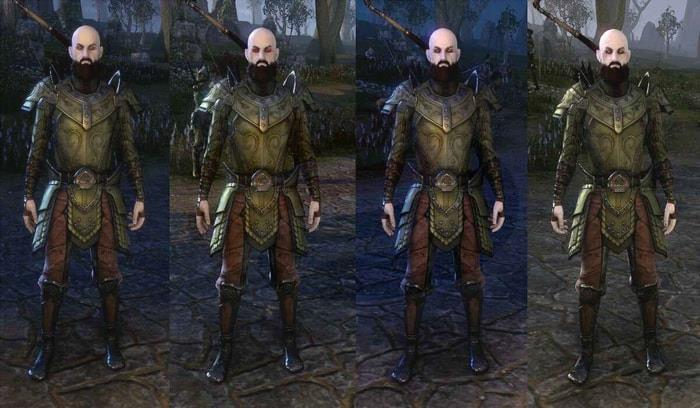
Changing your ESO Vampire Stage
Stage Management Techniques
Increasing Stages: Regular NPC feeding progresses stages naturally. Corrupting Bloody Mara consumable instantly advances to Stage 4 for urgent power needs.
Decreasing Stages: Abstaining from feeding gradually reduces stages over 6-8 hours. Purifying Bloody Mana drink decreases stage by one level per consumption.
Advanced strategy: Maintain Stage 2 for balanced gameplay—significant power increase without extreme NPC hostility. Reserve Stage 4 exclusively for night combat or specific dungeon runs where fire damage is minimal.

Dunmer (also known as Dark Elf)
Race Optimization Guide
While any race can embrace vampirism, strategic selection maximizes effectiveness. Dunmer (Dark Elves) provide inherent 50% fire resistance, directly countering the primary vampire weakness.
Breton alternative: Their 3% spell cost reduction and spell resistance provide alternative defense mechanisms against magical attacks including fire spells.
Common mistake: Players often select races based on aesthetic preferences rather than mechanical advantages. For comprehensive character planning, consult our Complete Guide for additional optimization strategies.
Optimization tip: Combine vampire abilities with class-specific skills that don’t rely on health regeneration for sustainability.
Curing Process Explained

Curing Vampirism in ESO
Vampirism reversal requires visiting specific Mages Guild locations based on your character’s alliance affiliation.
Ebonheart Pact: Riften Mages Guild in The Rift
Aldmeri Dominion: Rawl’kha Mages Guild in Reaper’s March
Daggerfall Covenant: Evermore Mages Guild in Bangkorai
Curing mechanics: Each guild houses specific NPCs (like Prelate Sabinus in The Rift) who perform cleansing rituals for moderate gold fees.
Premium alternative: Crown Store offers cure tokens for players preferring instant resolution over traditional methods.
Action Checklist
- Evaluate playstyle compatibility with vampire strengths and weaknesses before commitment
- Choose acquisition method: natural infection (2-4 hours), player bite (30 minutes), or Crown Store (instant)
- Complete Scion of the Blood Matron quest (45-60 minutes)
- Master stage management: feed strategically and use consumables for situational adjustments
- Optimize race selection for fire resistance if planning long-term vampire gameplay
- Visit appropriate Mages Guild for curing when desired (20 minutes)
No reproduction without permission:GameCDjnh » The Ultimate Guide to Becoming a Vampire in ESO Master ESO Vampirism with comprehensive strategies, stage management, and race optimization tips