
TL;DR
- ESO’s crafting system requires strategic skill point allocation across 6 professions
- Level crafting by creating items or deconstructing gear from the same profession
- Specialize in 1-2 professions due to the 140+ skill point requirement for mastery
- Each profession offers unique mechanics from alchemical discovery to recipe collection
- Proper skill selection prevents character gimping while maximizing crafting efficiency
Modern MMOs universally incorporate crafting mechanics, and Elder Scrolls Online delivers one of the most accessible yet deep systems available. The crafting system features intuitive interfaces that welcome newcomers while offering substantial depth for dedicated artisans seeking to create powerful gear.
ESO provides adventurers with six distinct crafting professions, each delivering unique benefits and gameplay styles. Whether you aspire to become a master artisan supplying your guild with top-tier equipment or simply want to maintain helpful consumables for your personal journey, the system accommodates various playstyles through flexible progression paths.
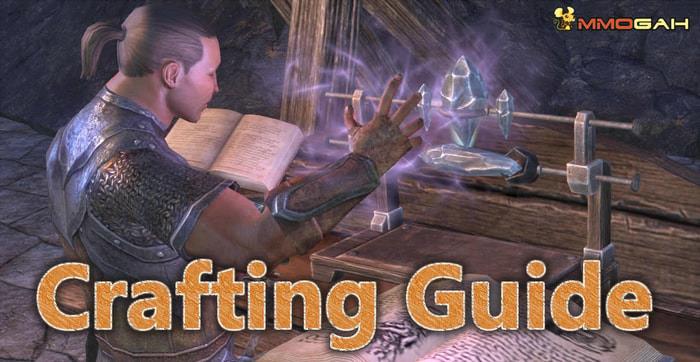
While the game imposes no artificial restrictions on skill point distribution, achieving mastery across all six crafting disciplines demands approximately 140 skill points—a substantial investment that competes directly with combat and utility abilities. Most players strategically specialize in just 1-2 professions, as these identical skill points also enhance your class skills, racial passives, armor proficiencies, weapon specializations, and other character advancement trees.
Skill selection requires careful consideration to avoid weakening your character’s combat effectiveness—a common pitfall known as “gimping.” New players frequently underestimate the opportunity cost of crafting investments, potentially hindering their progression in group content where performance expectations increase with level.
Each profession operates with distinct mechanics and resource acquisition methods. Provisioners scavenge Tamriel for recipes and ingredients, creating food and beverages that provide temporary statistical boosts—but only when they possess the specific formula and necessary components.
Enchanters and alchemists engage in experimental processes, systematically discovering the properties of runestones and ingredients through trial and error. This discovery mechanic rewards meticulous record-keeping and systematic testing approaches rather than random experimentation.
The Alchemy skill line enables creation of potions that restore health, magicka, or stamina while providing beneficial effects like increased weapon power or damage resistance.
Through Blacksmithing, you can forge heavy armor sets and melee weapons, with advanced tiers allowing creation of set items at specific crafting stations located throughout Tamriel.
As the complement to Blacksmithing, Clothing focuses on light and medium armor production using cloth and leather materials gathered from wildlife or containers.
While not a traditional creation profession, Enchanting serves as an enhancement system that imbues gear with magical properties using runes collected throughout the world.
The Provisioning skill allows creation of consumable food and drinks that grant temporary statistical improvements, with higher quality recipes providing more potent and longer-lasting benefits.
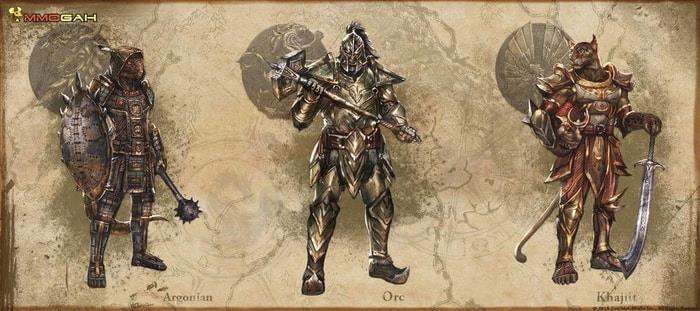
Advancing your crafting proficiency occurs exclusively through practical application—either creating items within that discipline or deconstructing gear produced by the same craft. This creates an efficient ecosystem where crafters can exchange services, with some focusing on production while others specialize in breaking down items for materials and inspiration gain.
Once your skill reaches specific thresholds, you can invest precious skill points to unlock new crafting tiers, recipes, and capabilities. This gated progression system ensures that crafting mastery reflects both practical experience and strategic resource allocation decisions.
Seasoned crafters recommend focusing your initial efforts on professions that complement your chosen combat role. Tanks benefit tremendously from Blacksmithing and Clothing for armor self-sufficiency, while magicka users find Alchemy and Enchanting particularly valuable for sustaining resources and enhancing spell effectiveness.
Common beginner mistakes include spreading skill points too thinly across multiple crafts early game, neglecting to research traits for future crafting, and underestimating the inventory management requirements of material collection.
Optimization strategies include joining trading guilds to access otherwise unavailable recipes, utilizing crafting writs for consistent income and materials, and strategically timing your crafting research to maximize efficiency across multiple characters if playing multiple alts.
Action Checklist
- Choose 1-2 primary crafting professions based on your character’s combat role and playstyle preferences
- Begin daily crafting writs immediately upon unlocking them for consistent material income
- Start trait research immediately as it operates on real-world timers that take weeks to complete
- Join a trading guild with a well-located vendor to access rare recipes and crafting patterns
- Create an organized inventory system for crafting materials using bank space and alts
No reproduction without permission:GameCDjnh » How to Make Crafting in the Elder Scrolls Online Master ESO's streamlined crafting system with strategic skill point allocation and profession specialization guidance