
Choosing between The Last of Us game or HBO show: Expert comparison and practical guide for newcomers
Why The Game Experience Matters Most
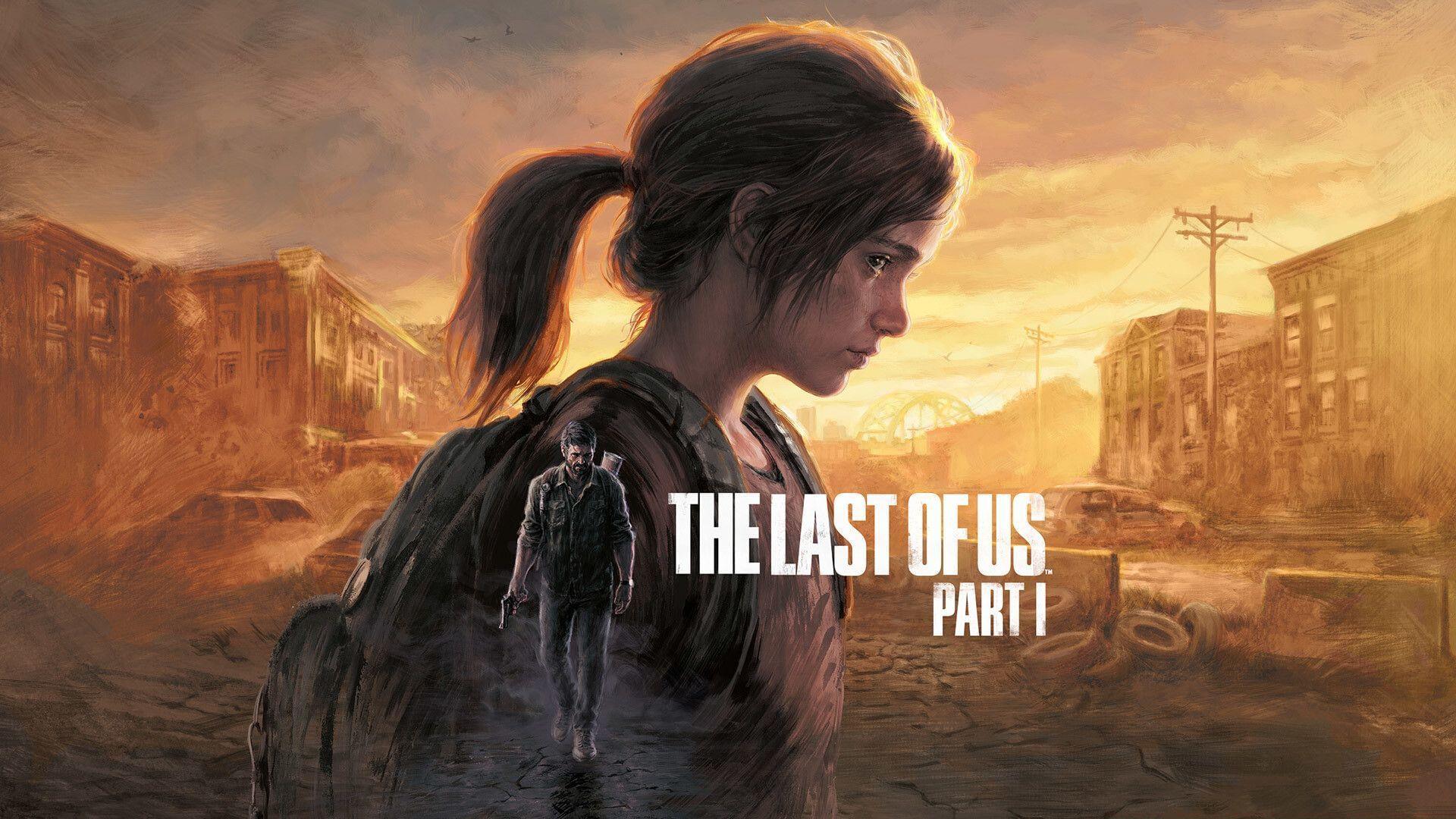
The Last of Us launched in 2013 exclusively for PlayStation 3, immediately captivating players with the profound bond between Joel Miller and Ellie Williams. Through multiple enhanced editions and a groundbreaking HBO collaboration, this narrative masterpiece reached broader audiences. While both interpretations deliver exceptional storytelling, newcomers face the crucial decision of which medium to experience first for maximum impact.
Seeking puzzle solutions? Explore current NYT Mini Crossword Answers, LA Times Crossword Solutions, and Atlantic Crossword Clues for daily challenges.
What sets the interactive version apart is the visceral connection forged through gameplay mechanics. You don’t merely witness Joel’s protective instincts—you actively make survival decisions that shape your emotional investment. The scarcity of resources, tense stealth sequences, and desperate combat encounters create an intimate understanding of the characters’ struggles that passive viewing cannot replicate.
Related exploration: The Last of Us Part 2 Remastered PC analysis – Ultimate edition with minor technical considerations
Gameplay extends beyond action—it builds empathy through interaction. When you manually boost Ellie over obstacles or share quiet conversational moments during exploration, these organic interactions deepen character relationships naturally. The interactive medium allows character development to unfold through gameplay rather than exclusively through dialogue, creating a more personal connection with the narrative.
HBO Adaptation: What Changed and Why
Television adaptations of video games historically struggled with authenticity, but HBO’s The Last of Us Season 1 broke this pattern through thoughtful creative choices. The series deliberately minimized combat encounters to emphasize character-driven moments and interpersonal drama. While preserving the essential narrative, the creative team implemented strategic modifications that distinguished their interpretation from the source material.
Also explore: Steam Deck compatibility assessment for The Last of Us Part 2
One significant alteration involved Bill’s narrative arc. Originally appearing briefly as a survivalist aiding Joel and Ellie’s vehicle acquisition, the television version expanded his role substantially. This expansion provided depth to his relationship with Frank, transforming a utilitarian game character into a fully-realized individual with emotional complexity and narrative weight.
The production team also reimagined Sam’s character by incorporating deafness, fundamentally changing his dynamic with brother Henry. This creative decision enhanced their interdependence and added layers to their survival story. These narrative adjustments demonstrate how the television format can explore character dimensions that gameplay mechanics might limit.
Common adaptation mistake: Assuming the show replicates every game moment. Successful viewing requires understanding that some sequences are condensed or recontextualized for the television format. The reduced infected encounters, for instance, shift focus toward human drama and character development rather than action set pieces.
Optimization tip for show watchers: Pay attention to subtle environmental storytelling and character glances—the television medium conveys much through nuanced performances and carefully constructed scenes that replace the game’s interactive exploration.
Platform Comparison: Where to Play
While the original PlayStation 3 release shows its technological age and the PS4 remaster remains competent, Naughty Dog designates the PlayStation 5 and PC editions as the definitive versions for new players. These current-generation iterations leverage advanced hardware capabilities to enhance immersion through sophisticated controller feedback and customizable visual settings.
The DualSense controller’s haptic feedback system transforms gameplay nuance. You feel the tension of drawing a bowstring through adaptive triggers and experience environmental details through precise vibration patterns. These tactile elements deepen immersion beyond visual and auditory stimuli, creating a more sensory-rich experience.
PC players benefit from extensive customization options, allowing hardware optimization for superior performance or visual fidelity based on system capabilities. However, the console version provides a more consistent experience with guaranteed performance standards and seamless integration with the controller’s unique features.
Practical platform selection strategy: Choose PS5 for the curated experience with optimized controller integration, or select PC for performance customization and potential visual enhancements. Both deliver the complete narrative, but your hardware preferences should guide this decision.
Additional consideration: The Last of Us Part 2 gameplay value assessment for 2025
The interactive version contains all the emotional depth present in the television adaptation while incorporating intense action sequences and meaningful character interactions that only gameplay can provide. Assuming these survivors’ roles during desperate situations creates an unparalleled level of engagement that transcends passive viewing.
Practical Decision Framework
Series co-creator Craig Mazin, a genuine enthusiast of the original game, successfully translated this narrative to television specifically for audiences lacking time, patience, or gaming proficiency. The live-action version shares this compelling story with wider viewership while respecting the source material that long-time fans cherish.
As a television production, perfect scene-by-scene replication was impossible. Among the most noticeable differences was the reduced frequency of infected confrontations, which are pervasive threats throughout the game narrative. While season one includes several well-executed action moments, these sequences never reach the intensity or frequency of their interactive counterparts.
If you’ve considered playing but lacked motivation, the PlayStation 5 and PC versions offer the optimal entry points. For those without gaming systems or sufficient time to master game mechanics, the HBO series streams on Max, with the second season scheduled for April 13, 2025 release.
The television adaptation was crafted by enthusiasts with original game creators involved throughout production, yet the interactive experience remains the most authentic way to engage with this narrative. The Last of Us represents a cherished story successfully delivered through both gaming and television, with each version attracting established fans and new audiences alike.
Advanced decision framework: Evaluate your available time (20+ hours for game vs 10 hours for show), gaming skill level, and preference for active participation versus passive observation. The game delivers deeper immersion while the show provides efficient storytelling—choose based on your personal priorities and constraints.
Common newcomer mistake: Rushing through the game to compare with the show. Instead, savor the exploration and environmental storytelling that makes the interactive experience unique. The game’s pacing allows character relationships to develop organically through gameplay rather than exclusively through scripted scenes.
No reproduction without permission:GameCDjnh » Should you play The Last of Us game or watch the series instead for max immersion? Choosing between The Last of Us game or HBO show: Expert comparison and practical guide for newcomers