
Expert guide to choosing between English and Japanese voice-overs in Ghost of Yotei for optimal gaming experience
Introduction: The Language Dilemma
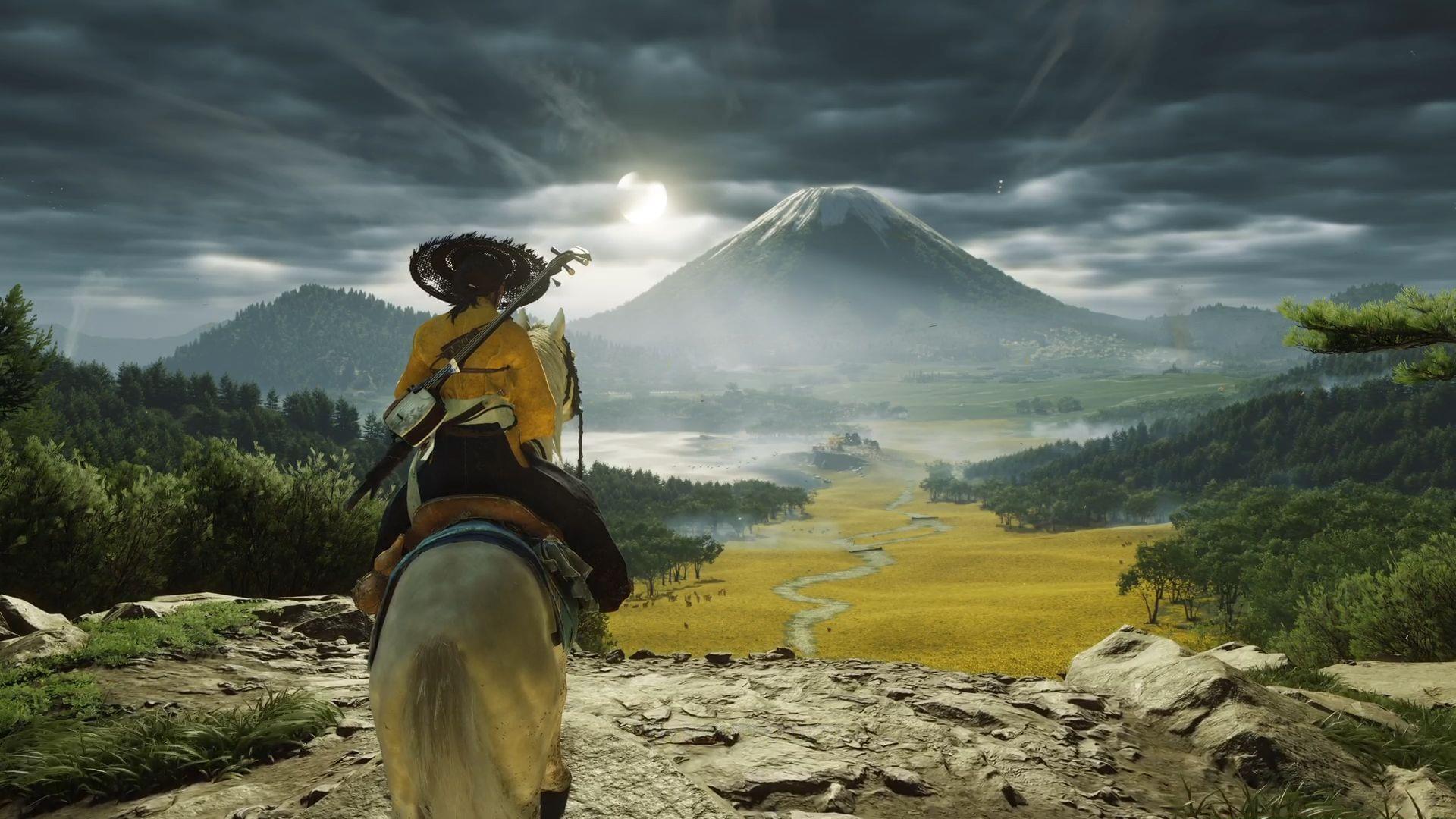
Starting your journey in Ghost of Yotei presents an immediate critical decision that will shape your entire gaming experience: the choice between English and Japanese voice-overs. This isn’t merely a cosmetic preference but fundamentally alters how you’ll engage with the game’s narrative and atmosphere throughout your adventure in feudal Ezo.
Many players instinctively lean toward Japanese audio for authenticity, given the game’s historical Japanese setting. However, the English localization offers compelling advantages that might better suit certain playstyles and preferences. Understanding the trade-offs between these options will help you make an informed decision that enhances rather than hinders your gameplay.
Japanese Voice-Over: Authentic Immersion
Selecting Japanese audio creates the most culturally authentic experience possible in Ghost of Yotei. The voice cast features exceptional Japanese talent, including Fairouz Ai as protagonist Atsu, delivering performances that capture the subtle emotional nuances and cultural context that translations often struggle to convey.
The Japanese language naturally complements the game’s feudal Ezo setting, creating seamless atmospheric cohesion. You’ll hear authentic pronunciation of locations, character names, and cultural references that reinforce the historical authenticity Sucker Punch meticulously crafted. This linguistic consistency helps maintain the suspension of disbelief crucial for full immersion in the game world.
Beyond mere authenticity, the Japanese voice acting delivers superior emotional resonance for characters’ interactions. The vocal inflections, honorifics usage, and cultural speech patterns provide depth that even excellent English localization cannot fully replicate. This becomes particularly impactful during emotional story moments and character development sequences.
English Voice-Over: Accessibility First
The English localization prioritizes story accessibility and combat readability, addressing a critical challenge many players face. During intense battle sequences—particularly the fast-paced sword combat Ghost of Yotei is known for—trying to read subtitles while managing combat mechanics can become overwhelming and cause you to miss crucial narrative information.
English voice-over eliminates this cognitive load, allowing you to focus entirely on gameplay mechanics while still absorbing story context through auditory comprehension. This proves especially valuable during dynamic world events and random encounters where dialogue occurs spontaneously outside controlled cutscenes, similar to the implementation in Ghost of Tsushima.
The English cast delivers professionally localized performances that maintain character personalities and emotional intent, even if they sacrifice some cultural authenticity. For players who primarily want to understand plot developments without linguistic barriers, this option provides the most straightforward narrative experience.
Head-to-Head Comparison
Fundamentally, your language choice affects delivery style rather than story content. Both voice-over options convey identical narrative information and character development—the difference lies in how you experience this content rather than what you experience.
For action-focused players who prioritize combat flow and reaction time, English audio typically provides better performance. You’ll maintain situational awareness during hectic battles without sacrificing story comprehension. Conversely, players who value atmospheric immersion and cultural authenticity will find Japanese audio significantly enhances their connection to the game world.
The technical implementation mirrors Ghost of Tsushima’s approach, with dialogue triggering during exploration, combat, and scripted sequences. This dynamic audio system means your language choice impacts not just cutscenes but moment-to-moment gameplay, making it a more significant decision than in games with purely cinematic voice work.
Advanced Tips and Strategies
Consider adopting a hybrid approach based on your gaming sessions. If you’re diving into story-heavy segments, Japanese audio maximizes emotional impact. For extended combat or exploration sessions, switching to English can reduce cognitive fatigue. The game allows quick language changes in settings, enabling flexible adaptation.
Common mistakes include sticking rigidly to one option without considering context, or underestimating how much dialogue occurs during active gameplay. Many players mistakenly assume voice work is confined to cutscenes, but Ghost of Yotei features extensive in-game dialogue similar to its predecessor.
Optimize your audio settings regardless of language choice. Increase voice volume slightly above other audio channels to ensure dialogue clarity. If choosing Japanese with subtitles, enable subtitle background opacity to improve readability during visually busy scenes. Consider experimenting with both options during early game sections before committing long-term.
Also Read: Ghost of Yotei walkthrough and guide
No reproduction without permission:GameCDjnh » Should you play in English or Japanese in Ghost of Yotei? Expert guide to choosing between English and Japanese voice-overs in Ghost of Yotei for optimal gaming experience