
A fresh take on Pac-Man meets metroidvania with fast-paced action and rewarding platforming challenges
Introduction: Beyond the Pac-Man Legacy
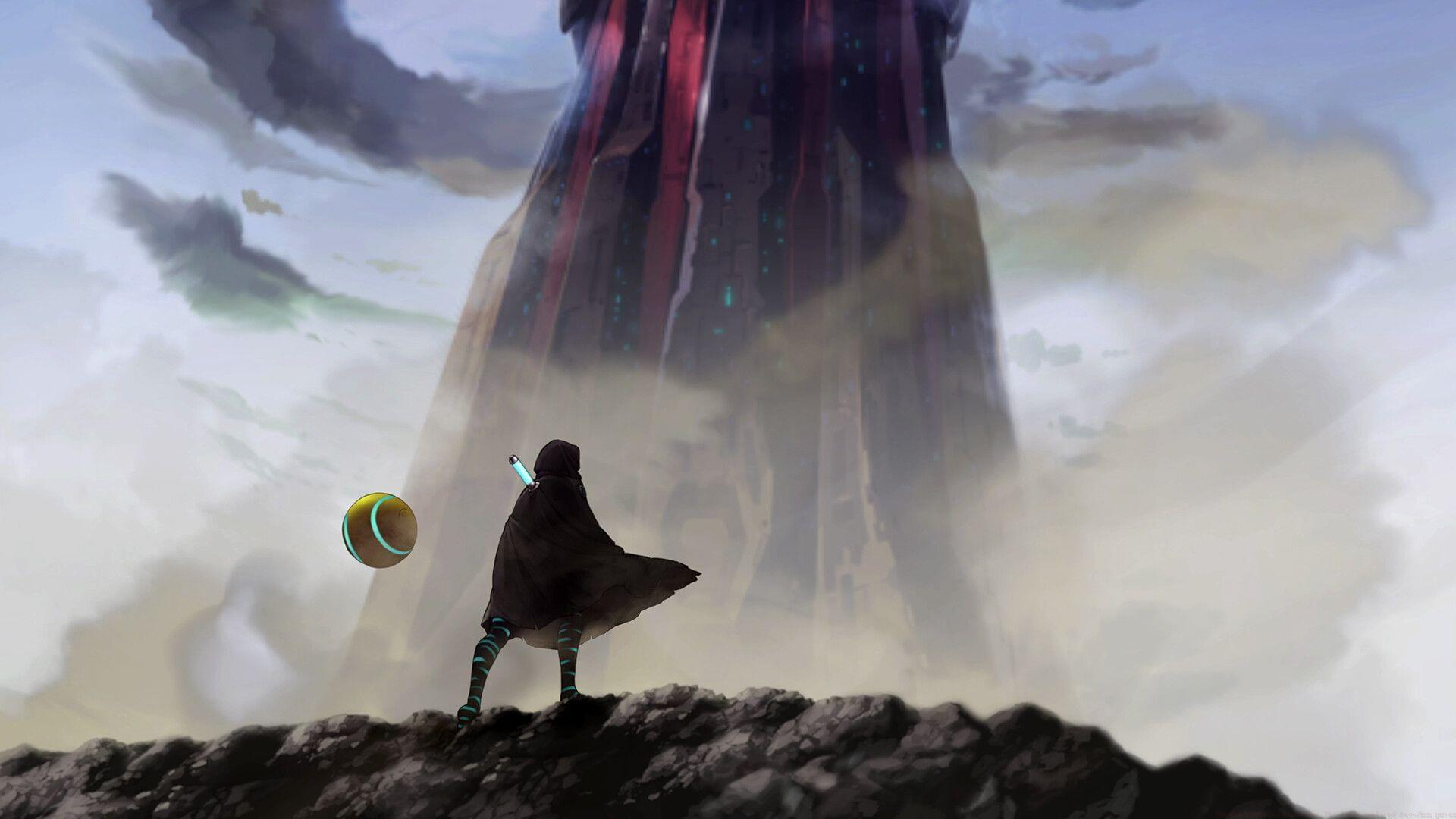
Shadow Labyrinth represents one of the most innovative directions the Pac-Man franchise has explored in recent memory. Drawing inspiration from the Secret Level animated series, particularly its Pac-Man episode, this title caught my attention with its unique premise. What begins as a seemingly straightforward Pac-Man adaptation quickly reveals itself as a fully-realized metroidvania experience with its own distinct identity.
For players seeking an accessible entry point into the metroidvania genre, Shadow Labyrinth serves as an ideal starting destination. While it doesn’t reach the complexity peaks of genre benchmarks, its streamlined approach makes it perfect for newcomers. The game does exhibit several noticeable limitations that prevent it from achieving masterpiece status, but these don’t fundamentally undermine the enjoyable core experience.
Looking for Crossword hints & solutions? Check out latest NYT Mini Crossword Answers, LA Times Crossword Answers, and Atlantic Crossword Answers
At its foundation, Shadow Labyrinth functions as a contemporary interpretation of Pac-Man mechanics wrapped within metroidvania progression systems. Narrative elements exist but remain relatively light, so temper expectations regarding deep lore exploration. Fans of the Secret Level series will appreciate numerous clever references and Easter eggs that pay homage to the source material.
Players unfamiliar with the animated series won’t feel disadvantaged, as the game stands firmly on its own merits. Though additional story development would have been welcome, Shadow Labyrinth prioritizes gameplay over narrative complexity. The title skillfully adapts thematic elements from its inspiration into a compelling metroidvania framework that respects its origins while establishing new ground.
Visual and Audio Excellence
The visual presentation adopts a moody cell-shaded aesthetic that complements the game’s darker thematic elements. Drawing comparisons to Metroid Dread, Shadow Labyrinth features more subdued color palettes and atmospheric environments that enhance the labyrinthine setting. Boss encounters showcase a distinctive stop-motion animation style that evokes nostalgia for classic arcade era visual design.
One notable visual concern involves occasional excessive darkness in certain level segments. Even with HDR calibration, some areas proved challenging to navigate due to limited visibility, creating moments of frustration during exploration. Fortunately, these problematic sections occur infrequently and don’t constitute game-breaking design flaws.
Audio design stands as one of Shadow Labyrinth’s strongest attributes. The soundscape perfectly balances nostalgic Pac-Man audio cues with original compositions that suit the game’s atmosphere. Boss battle themes particularly shine, creating memorable auditory experiences. An available DLC package allows players to replace Puck’s default sound effects with classic Pac-Man audio, catering to franchise purists.
Pro Tip: Adjust your display’s gamma settings specifically for Shadow Labyrinth—increasing brightness by 10-15% significantly improves visibility in darker sections without compromising the intended atmospheric effect.
Gameplay Mechanics and Combat System
Shadow Labyrinth follows traditional metroidvania conventions while providing an unusually extensive arsenal of combat and mobility options from the outset. The initial skill overload can feel simultaneously overwhelming and empowering, though the intuitive control scheme ensures rapid mastery. This abundance of abilities distinguishes it from more gradual progression systems found in comparable titles.
Movement mechanics represent one of the game’s standout features, setting it apart from many metroidvania contemporaries. Compared to the deliberate pacing of Hollow Knight or Metroid Dread, Shadow Labyrinth delivers remarkably fluid and responsive controls that emphasize speed and precision. The closest parallel might be Elden Ring Nightreign, which similarly prioritizes agile movement over methodical pacing.
The combat system clearly draws inspiration from Souls-like games, featuring a dedicated dodge roll mechanic complete with invincibility frames. This strategic defensive option adds depth to encounters beyond standard metroidvania combat. Upgrade acquisition occurs through interaction with the Puck entity, providing enhancements affecting both combat effectiveness and traversal capabilities.
One particularly notable early-game upgrade enables fusion between the player character and Puck, transforming into a mechanized combat form. This berserk-mode equivalent provides tremendous offensive power and represents the combat system’s highlight. Passive upgrades offering statistical improvements and additional healing resources further customize the gameplay experience.
Advanced Technique: Master the dodge-cancel technique—interrupting attack animations with well-timed dodges maintains offensive pressure while avoiding damage, crucial for handling later-game enemy patterns.
Level Design and Challenge Analysis
Level design quality fluctuates throughout the experience, though most environments provide engaging platforming and exploration. The previously mentioned dark sections and mini-Puck sequences represent the most divisive design elements. As noted in earlier preview coverage, these mini-Puck segments frequently prove frustrating for players.
Mini-Puck sections involve controlling a miniature version of Puck through maze-like environments while remaining on energy pathways. These precision platforming challenges eliminate combat entirely, testing reaction times and movement accuracy. Single mistimed actions typically result in restarting the entire sequence, with difficulty escalating significantly as the game progresses.
Despite their demanding nature, successfully completing mini-Puck challenges delivers substantial satisfaction. Boss encounters follow a similar pattern—while most don’t present extreme difficulty, their designs often evoke comparisons to Hollow Knight’s more elaborate confrontations. Experienced metroidvania players will likely defeat most bosses within few attempts, potentially disappointing those seeking relentless challenges.
Common Mistake: Rushing through mini-Puck sections often leads to repeated failures. Instead, pause briefly at each new platform to assess the upcoming path and time your jumps deliberately rather than reactively.
Strategic Insights and Player Guidance
Shadow Labyrinth’s narrative represents a missed opportunity for deeper engagement with its intriguing premise. While a basic storyline exists, it remains superficial despite the rich potential of its Secret Level foundation. Thematic connections to the source material provide some compensation, though expanded narrative development would have enhanced the overall experience.
Optimization Strategy: Prioritize upgrades that enhance mobility before focusing on combat improvements. Increased movement capabilities often provide greater survival benefits than marginal damage increases, especially during challenging platforming sequences.
For players struggling with the game’s difficulty curve, consider these approaches: First, thoroughly explore each area before progressing—hidden upgrades often provide significant advantages. Second, practice the dodge roll timing against basic enemies until it becomes instinctive. Third, during mini-Puck sections, focus on rhythm rather than speed—consistent pacing typically outperforms hurried movements.
Advanced Player Tip: The mechanized fusion transformation has a hidden cooldown reduction mechanic—successful dodges during its active duration slightly extend the transformation timer, allowing skilled players to maintain this powered state through entire difficult encounters.
Final Verdict and Recommendations
Shadow Labyrinth excels as a platforming experience that incorporates metroidvania elements with varying success. While not establishing new genre standards, it delivers enjoyable 2D platforming with a distinctive thematic hook. The game combines solid level design, tense boss battles, and genuinely exciting power-ups within its dark sci-fi aesthetic inspired by Secret Level’s Pac-Man episode.
Despite identifiable flaws, the title consistently provides entertaining gameplay moments. Sometimes video games need only accomplish one essential objective—delivering fun, engaging experiences—and Shadow Labyrinth fulfills this fundamental requirement admirably.
Reviewed on: Windows PC (Review code provided by Bandai Namco Entertainment)
Platform(s): PS5, Xbox Series X|S, Nintendo Switch, Nintendo Switch 2, and Windows PC (Steam)
Developer(s): Bandai Namco Entertainment
Publisher(s): Bandai Namco Entertainment
Release date: July 18, 2025
No reproduction without permission:GameCDjnh » Shadow Labyrinth review: The Dark Souls of Pac-Man games A fresh take on Pac-Man meets metroidvania with fast-paced action and rewarding platforming challenges