
Complete guide to PMSL 2025 SEA Fall Grand Finals: Teams, schedule, strategies and championship insights
Event Overview and Championship Format
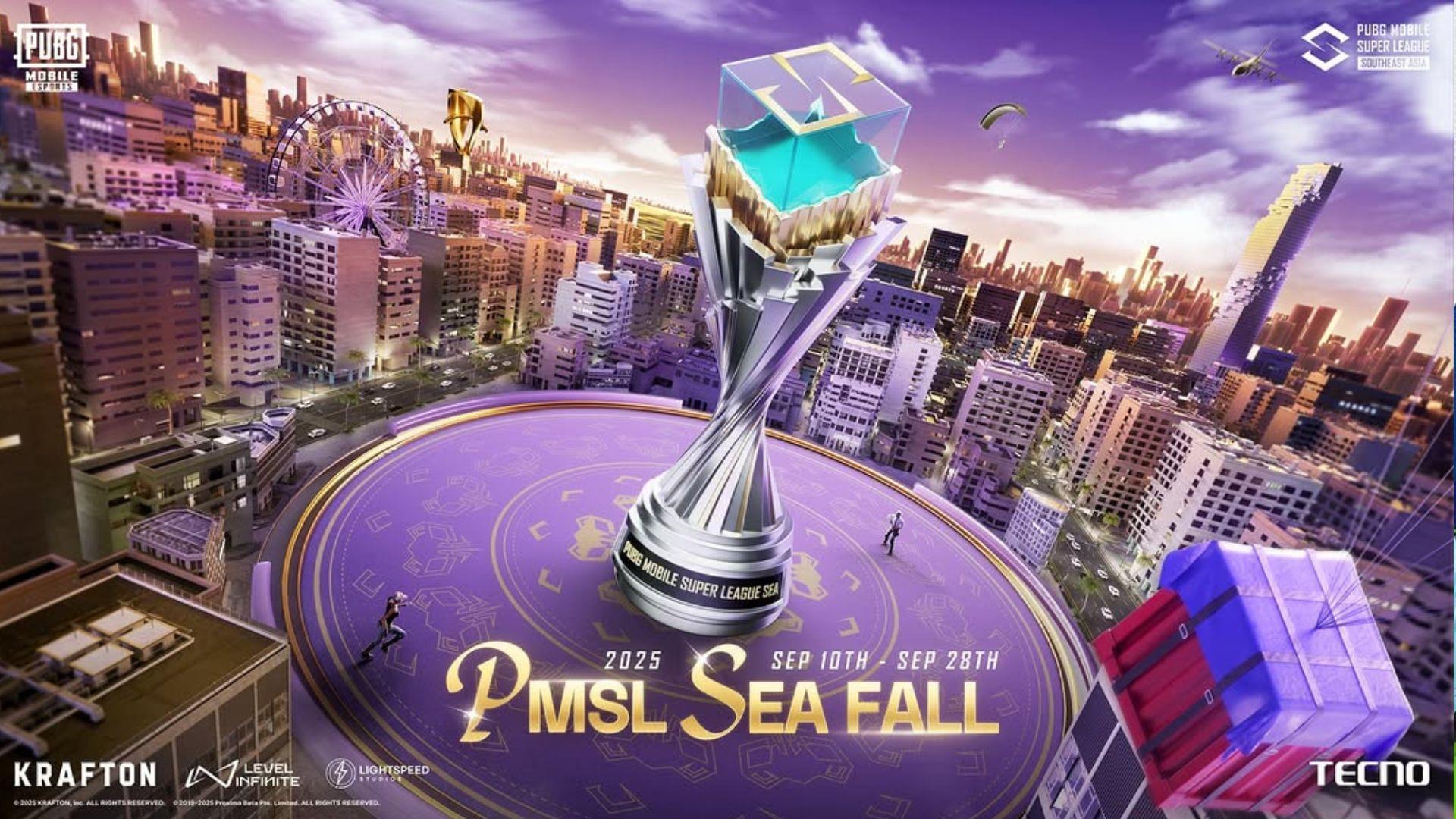
The highly anticipated PUBG Mobile Super League (PMSL) 2025 SEA Fall Grand Finals brings together the region’s elite competitors from September 26th through 28th at Centralworld shopping complex in Bangkok, Thailand. Sixteen qualified squads emerging from the intense League Stage will battle for supremacy in this premier Southeast Asian esports spectacle, with the ultimate prize being qualification for the PUBG Mobile Global Championship (PMGC) 2025.
The championship adopts the innovative Smash Rule format, designed to maximize competitive intensity and strategic diversity throughout the three-day tournament. This scoring system rewards consistent performance while creating dramatic momentum swings that keep both players and spectators engaged until the final match concludes.
Viewing accessibility remains a priority with comprehensive streaming across multiple social platforms. Fans worldwide can follow all 18 scheduled matches through official PUBG Mobile Esports channels on YouTube, Facebook, and TikTok, with broadcasts commencing daily at 2:20 PM Indian Standard Time (IST).
Team Performance Analysis and Championship Contenders
Defending champions eArena enter the Grand Finals with formidable momentum after dominating the League Stage through two weeks of consistently outstanding performances. The Thai powerhouse demonstrated exceptional strategic coordination and individual skill, securing their position at the summit of the standings. Their proven championship pedigree makes them favorites to claim back-to-back PMSL titles and secure automatic PMGC qualification.
Bigetron Esports showcased remarkable resilience following a challenging Week 1 performance, orchestrating an impressive Week 2 comeback that propelled them to second place in the overall standings. This Indonesian organization’s ability to adapt and overcome early setbacks demonstrates the mental fortitude required for championship success. Meanwhile, Team Flash exhibited explosive potential during their Week 1 dominance but struggled to maintain that elite level throughout Week 2, highlighting the consistency challenges even top teams face.
Middle-tier contenders including Todak, Vampire Esports, and Team Secret delivered solid if unspectacular League Stage campaigns. These squads possess the fundamental skills to challenge the favorites but must elevate their performance consistency to contend for the championship. Alter Ego, despite their established reputation, encountered unexpected difficulties finishing eighth overall, indicating potential strategic or execution issues requiring immediate resolution before the Grand Finals.
Vietnamese representatives D’Xavier underperformed relative to expectations during the qualification stage, while RRQ, GLU, and BOOM Esports faced similar challenges yet demonstrated the determination needed to secure their Grand Finals berths. These teams now focus on maximizing their preparation time to deliver peak performance when championship stakes are highest.
Advanced Viewing Guide and Strategic Insights
The tournament schedule strategically builds toward an explosive conclusion with Days 1 and 2 featuring six matches each, followed by a maximum of eight decisive games on the final day. This escalating structure ensures teams must balance early consistency with late-tournament endurance, testing both strategic planning and adaptive capabilities under pressure.
Successful teams typically excel in three critical areas: early-game landing spot control, mid-game rotation timing, and end-game circle positioning. Observant viewers should monitor how squads manage these phases, particularly how they adapt when initial strategies encounter unexpected challenges. The ability to pivot effectively often separates championship contenders from the competition.
Key factors influencing championship outcomes include weapon loadout preferences across different map scenarios, vehicle utilization for strategic positioning, and communication efficiency during high-pressure final circles. Teams demonstrating flexibility in these tactical elements typically maintain competitive advantage throughout the tournament’s duration.
Esports Strategy and Performance Optimization
Common tournament mistakes that often derail championship aspirations include over-aggressive early engagements that sacrifice strategic positioning, poor resource management during mid-game phases, and communication breakdowns during critical final circle scenarios. Successful teams minimize these errors through disciplined decision-making and structured in-game leadership.
Advanced team coordination requires establishing clear role specialization among members: typically an in-game leader for strategic calls, a support player for utility management, and fraggers focused on combat effectiveness. Developing predetermined contingency plans for various circle locations and opponent behaviors significantly enhances adaptation speed when matches deviate from expected patterns.
Championship mindset preparation involves both individual and collective psychological readiness. Teams should conduct structured pre-tournament analysis of opponent tendencies while maintaining flexibility to adjust strategies based on real-time tournament developments. Maintaining emotional equilibrium after both successful and challenging matches proves crucial for sustained performance across the three-day competition.
No reproduction without permission:GameCDjnh » PMSL 2025 SEA Fall Grand Finals: Dates, teams, PMGC slots, and how to watch Complete guide to PMSL 2025 SEA Fall Grand Finals: Teams, schedule, strategies and championship insights