
Master tactical solo gameplay in Ready or Not with AI team management, gear optimization, and strategic command techniques
Understanding Solo Play Fundamentals
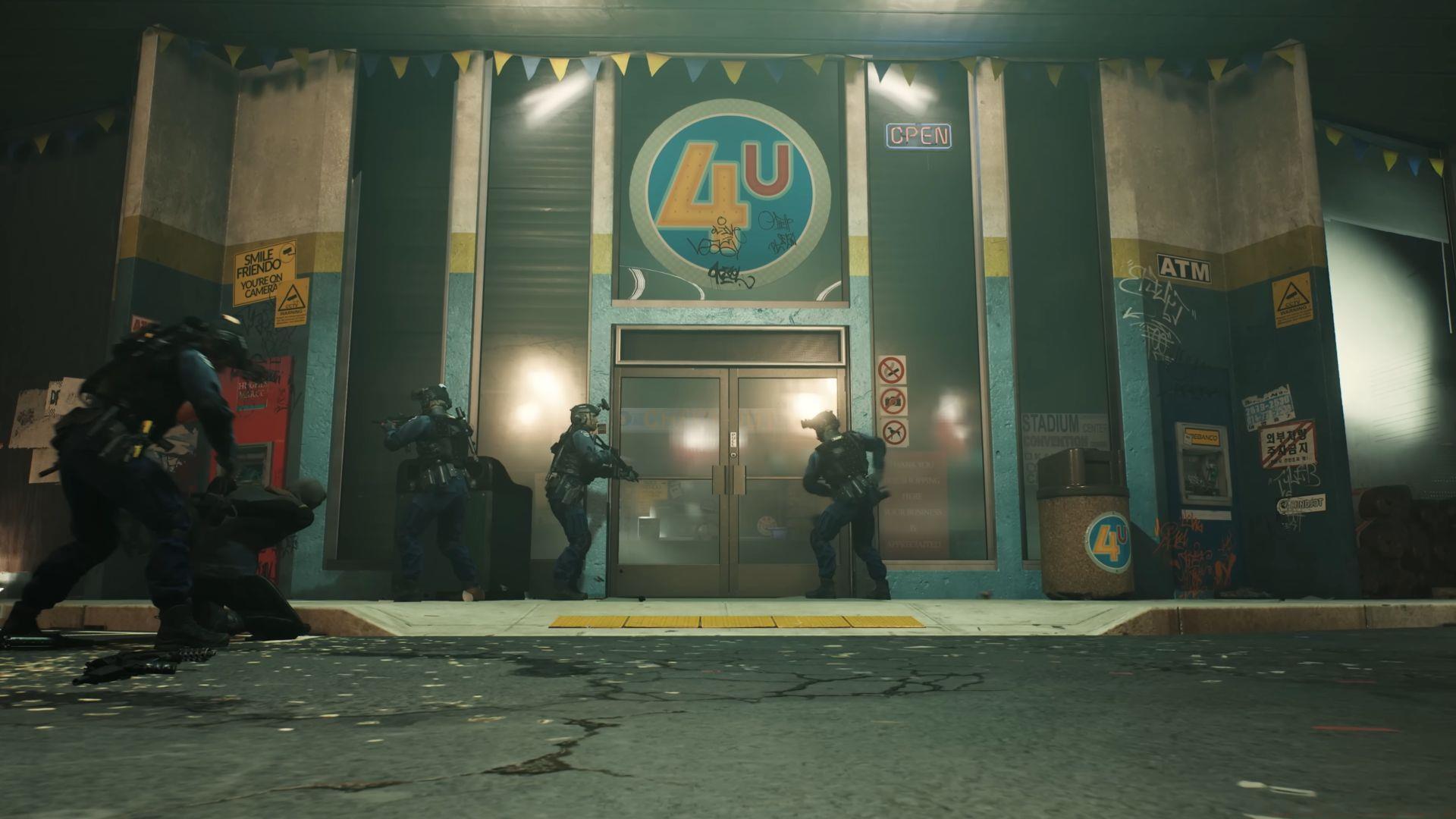
Solo operations in Ready or Not demand exceptional tactical planning, rapid improvisation skills, and precise command execution under extreme pressure. While designed as a tactical multiplayer experience, the game delivers a surprisingly robust single-player campaign that tests your leadership capabilities. Whether you prefer independent operations or need to practice mission scenarios without coordinating with online teammates, solo play grants complete operational control over your tactical unit and mission progression.
The AI-controlled operators, while not matching the dynamic unpredictability of human players, provide reliable support when properly managed. Solo mode offers unrestricted access to all mission varieties, equipment configurations, and environmental layouts. However, players should recognize that the game’s fundamental pacing and structural design heavily favor cooperative gameplay, resulting in a significantly steeper learning curve when managing all aspects independently. Success hinges on effectively balancing AI support with your personal strategic movements and decision-making.
Advanced AI Command Techniques
Your robotic teammates, while imperfect, excel at covering critical angles and securing cleared areas when given precise instructions. Position them strategically at entry points or deploy them as initial entry teams while you handle flank security. They prove particularly valuable for holding previously secured zones, significantly reducing the risk of unexpected enemy repositioning.
Command wheel proficiency becomes absolutely essential for effective solo operations in Ready or Not. Employ specific directives such as “Fall in,” “Hold position,” or “Stack up” to maintain optimal positioning of your automated units. Seamless coordination directly correlates with your ability to issue timely and appropriate commands during rapidly evolving situations.
Advanced Positioning Strategy: Beyond basic commands, learn to utilize staggered formations where one AI covers long angles while another watches close quarters. Use the “Mirror under door” command before having AI stack up, as this prevents them from charging into unknown threats. For complex multi-room areas, position one AI as overwatch while you clear adjacent spaces.
Optimal Gear Selection and Loadouts
Since you’re managing all tactical decisions individually, maintain a versatile equipment selection: a precision rifle for direct engagements, less-lethal options including tasers or chemical agents for compliance situations, and tactical equipment like door jammers or the reconnaissance Optiwand for safe area assessment. Adaptability becomes your greatest advantage when operating without human backup.
Weapon Configuration Tips: The SA-58 provides excellent stopping power for suspect elimination, while the MK18 offers better maneuverability in tight spaces. For non-lethal approaches, the pepperball gun can incapacitate multiple targets quickly. Always equip at least one door wedge to control flow through the environment and prevent unexpected flanking.
Equipment Priority: The Optiwand should be your primary scouting tool—use it before every door breach. Consider carrying flashbangs for room entry and CS gas for area denial. Your armor selection should balance protection with mobility—heavy armor slows movement but provides crucial survival time in firefights.
Mission Execution Strategies
During independent operations, patience proves more valuable than speed. Before entering any room, conduct thorough reconnaissance using the Optiwand beneath the door, identify visible hostiles, and formulate an appropriate entry strategy. Resist urgency impulses—systematic, deliberate play dramatically decreases the likelihood of encountering lethal crossfire situations.
Anticipate experimentation and adjustment periods, particularly when navigating intricate level designs or unfamiliar artificial intelligence patterns. Every unsuccessful attempt provides valuable intelligence regarding where you lost situational control or where your automated units demonstrated hesitation. Modify approaches, enhance command precision, and progressively improve performance through accumulated experience.
Room Clearing Methodology: Implement the “slice the pie” technique when entering rooms—clear angles gradually rather than rushing in. Use verbal commands to make suspects surrender before engaging. For large spaces, clear methodically from one corner to another rather than moving through the center where you’re exposed from multiple directions.
Advanced Solo Play Optimization
Single-player Ready or Not positions you as mission commander, strategic planner, and frontline operator simultaneously. The experience proves intensely challenging, occasionally unforgiving, but immensely satisfying when executed with precision. By comprehensively understanding your AI teammates’ capabilities and implementing intelligent, calculated strategies, you can transform each operation into a demonstration of specialized SWAT solo proficiency.
Common Solo Play Mistakes: Avoid the tendency to micromanage every AI movement—this slows progress and creates vulnerability. Don’t neglect rear security—always leave one AI watching your back. Never rush through uncleared areas assuming AI will cover you perfectly. Remember that AI cannot interpret complex tactical situations—you must provide explicit, simple commands.
Performance Optimization: Adjust AI behavior settings in the game options to make teammates more aggressive or cautious based on your playstyle. Practice specific mission types repeatedly to learn spawn locations and optimal approaches. Use quick save strategically during particularly challenging sections to practice specific encounters without repeating entire missions.
No reproduction without permission:GameCDjnh » Ready or Not: How to solo play Ready or Not Master tactical solo gameplay in Ready or Not with AI team management, gear optimization, and strategic command techniques