
Elden Ring Nightreign character system explained: Pre-built classes, customization options, and switching mechanics
Understanding Nightreign’s Character Approach
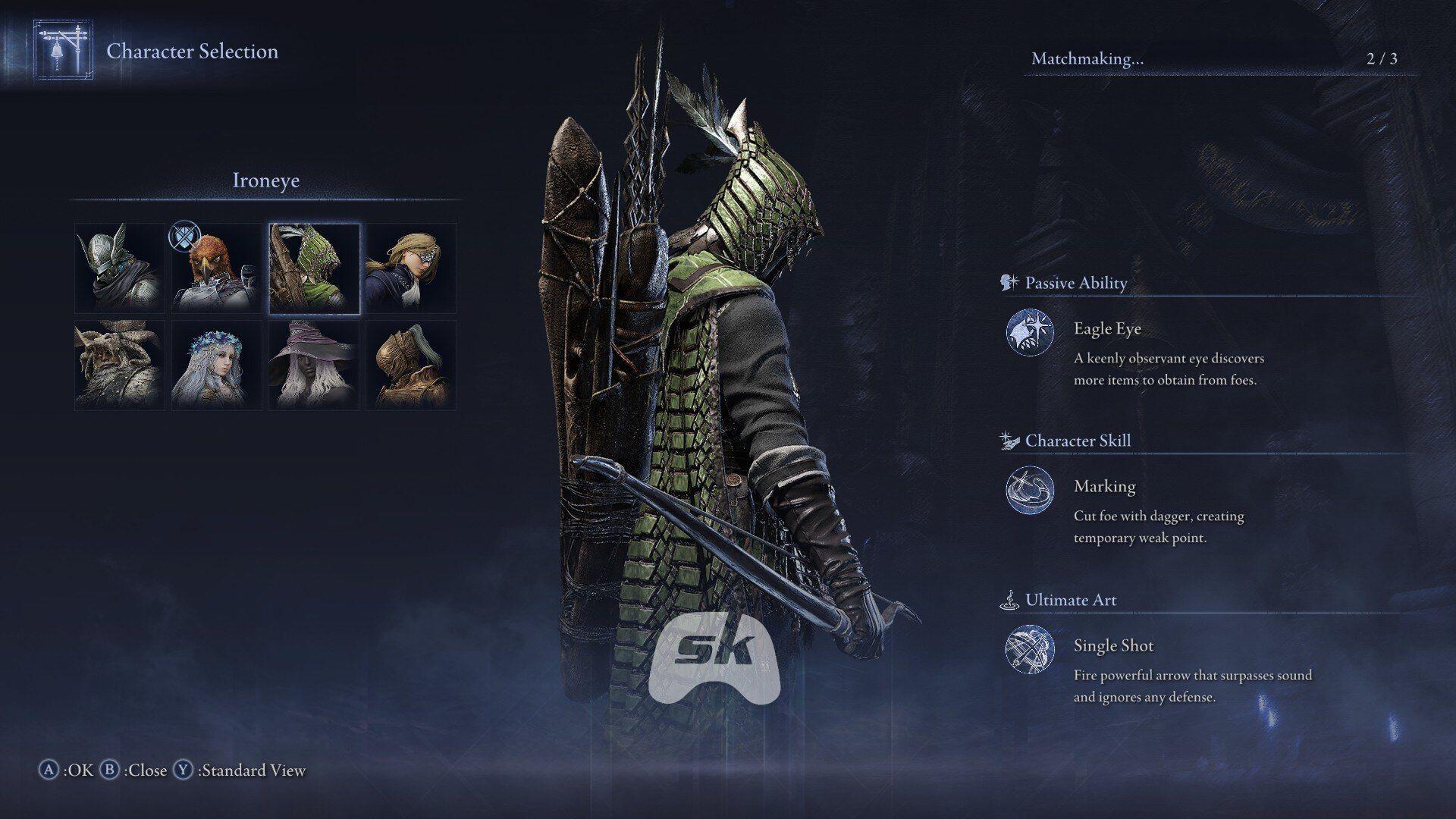
The gaming community’s anticipation for Elden Ring Nightreign has sparked numerous questions about its approach to player avatars. Unlike the original title’s comprehensive character creator that allowed extensive Tarnished customization, Nightreign adopts a fundamentally different strategy. The game’s emphasis on three-player cooperative gameplay and accelerated pacing necessitated a shift away from traditional character creation systems.
This design choice centers on providing players with distinct Nightfarer archetypes, each equipped with predefined roles and abilities from the outset. This framework encourages teams to concentrate on tactical coordination and strategic execution rather than spending extensive time on appearance customization. The developers have prioritized ensuring that each Nightfarer complements others in a cohesive unit, making team synergy the core gameplay experience rather than individual character aesthetics.
Available Customization Options
Despite the absence of traditional character creation, Nightreign provides meaningful progression-based personalization opportunities. As you advance through the game’s challenges, you’ll gradually unlock various cosmetic skins that alter your chosen Nightfarer’s visual presentation. Additionally, discovering special relics throughout the world enables gear enhancement and statistical improvements, allowing you to tailor your build to preferred playstyles.
This system represents a balanced approach between fixed character identities and player agency. While you cannot modify the fundamental appearance of your Nightfarer through sliders or detailed customization tools, the unlockable options provide sufficient variety to make your character feel distinctive. Strategic relic selection becomes particularly important for optimizing your Nightfarer’s performance within team compositions, creating meaningful choices that impact gameplay effectiveness.
Common Mistake to Avoid: Don’t underestimate the value of cosmetic skins—some rare variants provide subtle environmental advantages in specific regions by blending with surroundings or reducing enemy detection ranges.
Character Switching Mechanics
Nightreign introduces flexible character management through two primary switching methods. After defeating Margit the Fell Omen in the tutorial section, you gain access to the Roundtable Hold—your central hub and respawn location. Upon arriving at this sanctuary, immediately check the right side area where a Banished Knight statue serves as the character switching interface. This location enables you to change between any Nightfarers you’ve previously unlocked during your playthrough.
Alternatively, you can select your preferred character immediately before initiating any expedition. The game presents a comprehensive setup screen displaying all available Nightfarers with their respective roles, abilities, and current gear loadouts. However, once you commit to a mission and begin gameplay, character switching becomes disabled until the expedition concludes, emphasizing the importance of strategic selection beforehand.
Pro Tip: Always coordinate character choices with your team members during the pre-expedition screen to ensure balanced role distribution. A well-composed team typically includes at least one defensive specialist, one damage dealer, and one support Nightfarer for optimal survival chances.
Performance Requirements and Optimization
Elden Ring Nightreign maintains reasonably accessible system requirements while delivering the visual fidelity expected from a Souls-like experience. The game can operate on systems with 12GB RAM, though 16GB provides significantly smoother performance, especially during intense co-op sessions with multiple effects. Graphics card requirements start at GTX 1060 or RX 580 level, with GTX 1070 or RX Vega-56 recommended for higher settings and stable framerates.
Minimum System Specifications:
- Operating System: Windows 10 (64-bit architecture required)
- Processor: Intel Core i5-10600 or AMD Ryzen 5 5500
- Graphics: NVIDIA GTX 1060 (3GB VRAM) or AMD Radeon RX 580 (4GB VRAM)
- Audio: Standard Windows-compatible audio device
Recommended System Specifications:
- Operating System: Windows 11 (64-bit with latest updates)
- Processor: Intel Core i5-11500 or AMD Ryzen 5 5600
- Graphics: NVIDIA GTX 1070 (8GB VRAM) or AMD Radeon RX Vega-56 (8GB VRAM)
- Audio: High-quality Windows-compatible sound card
Optimization Strategy: For players with minimum-spec systems, disable ambient occlusion and reduce shadow quality first—these settings have minimal gameplay impact but significant performance cost. Additionally, lowering particle effects can improve framerate stability during combat encounters with multiple Nightfarers.
Also read: Can you play Elden Ring Nightreign as a newcomer to Souls-borne series?
Check out: Is Elden Ring Nightreign coming to Nintendo Switch and Nintendo Switch 2? Possibilities explored
No reproduction without permission:GameCDjnh » Is there character creation in Elden Ring Nightreign? Elden Ring Nightreign character system explained: Pre-built classes, customization options, and switching mechanics