
Master Death Stranding 2’s VR Training Room to enhance delivery skills and combat proficiency with expert strategies
Introduction to VR Training Room
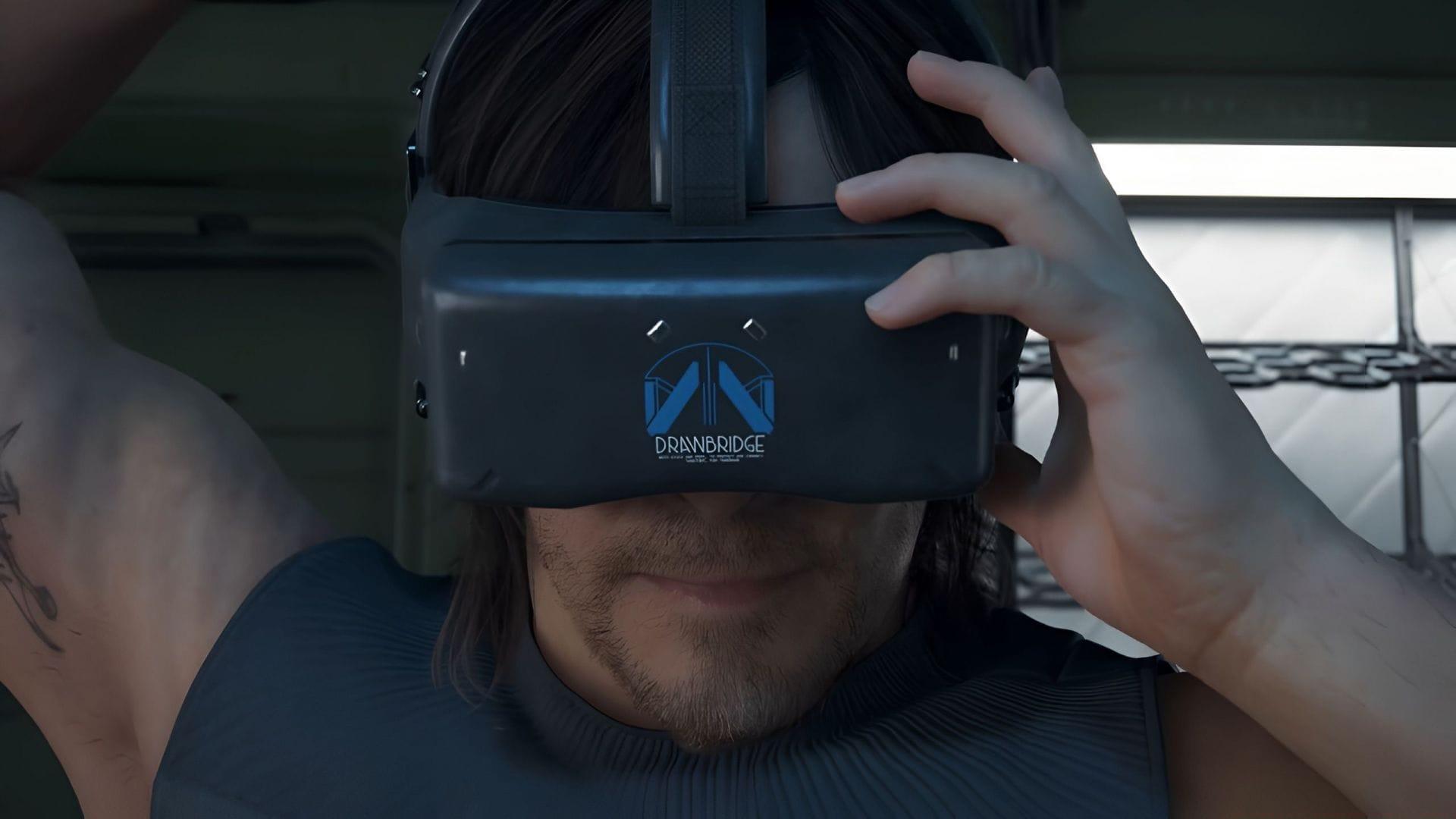
Death Stranding 2’s VR Training Room represents a sophisticated simulation environment designed to refine your delivery expertise and combat readiness without narrative consequences. This standalone training facility, accessible from any Private Room location, provides comprehensive skill development opportunities at your preferred learning pace. The simulation covers everything from basic cargo management to advanced combat techniques, ensuring you’re thoroughly prepared for the demanding terrain ahead.
Locating the training interface is straightforward – you’ll spot a suspended VR Headset apparatus overhead in your Private Room. Engage with this device by pressing the Triangle button, which activates the training module selection interface and presents available practice scenarios.
Training Programs Breakdown
Death Stranding 2 offers three distinct training curricula, each targeting specific skill sets essential for successful package delivery and survival:
- Porter Fundamentals Program: Ideal for novice porters, this curriculum establishes core competency in cargo transportation mechanics. You’ll master load distribution principles, balance maintenance techniques, and organizational strategies for maximizing carrying capacity while minimizing fatigue and damage risks.
- Porter Mastery Program: Building upon foundational knowledge, this advanced course emphasizes route optimization, terrain assessment methodology, and complex cargo handling procedures. Learn to navigate challenging landscapes while preserving package integrity and maintaining delivery timelines.
- Weapons/Combat Training Program: This dedicated combat simulator allows comprehensive weapons familiarization and tactical engagement practice. Develop proficiency with various armaments and prepare strategically for encounters with hostile MULE factions and supernatural BT entities.
When confronting overwhelming challenges or needing to refine specific techniques before critical missions, this virtual environment serves as your secure practice arena. It’s equally valuable for experimenting with unfamiliar weaponry or optimizing cargo delivery methodologies.
Advanced Training Strategies
Beyond basic program completion, seasoned porters should implement these advanced training methodologies:
Cargo Optimization Techniques: Practice stacking cargo according to weight distribution principles – heavier items at the bottom, fragile equipment on top. Master the art of using your body’s center of gravity to maintain stability during traversals. Experiment with different carrying configurations to find optimal balance between speed and security.
Combat Proficiency Drills: Schedule regular weapons training sessions to maintain muscle memory for quick weapon switching and reloading under pressure. Practice engaging multiple targets while managing your cargo stability. Learn to anticipate enemy movements and develop pre-engagement positioning strategies.
Route Planning Mastery: Use the training environment to simulate various terrain challenges before encountering them in the live game. Test different navigation approaches for steep inclines, river crossings, and rocky pathways. Develop mental maps of optimal routes while accounting for weather variables and potential threats.
Common Mistakes and Solutions
Many porters encounter similar challenges during their training progression. Here’s how to identify and overcome them:
Balance Management Errors: Avoid overloading one side of your cargo configuration, which creates instability during movement. Solution: Distribute weight evenly and frequently adjust your grip points. Practice rapid rebalancing maneuvers when your cargo shifts unexpectedly during simulated terrain transitions.
Combat Preparation Oversights: Don’t neglect weapon maintenance practice alongside combat drills. Solution: Incorporate equipment cleaning and repair simulations into your training routine. Practice accessing your weapons while maintaining cargo stability to avoid dropping precious deliveries during enemy encounters.
Route Optimization Pitfalls: Many trainees focus solely on direct routes without considering environmental factors. Solution: Use the training room to practice alternative paths that avoid known BT territories or MULE camps. Learn to recognize terrain features that indicate safer passage or hidden shortcuts.
The VR training facility in Death Stranding 2 represents an intelligent design choice catering to both inexperienced newcomers and veteran players returning to the series. Its specialized training modules enable comprehensive mastery of the game’s distinctive mechanics, ensuring you approach field operations with confidence and capability.
No reproduction without permission:GameCDjnh » How to use the VR training room in Death Stranding 2 Master Death Stranding 2's VR Training Room to enhance delivery skills and combat proficiency with expert strategies