
Team Ninja developers reveal Nioh 3 gameplay innovations, historical storytelling, and potential Ninja Gaiden revival
Introduction and Developer Insights
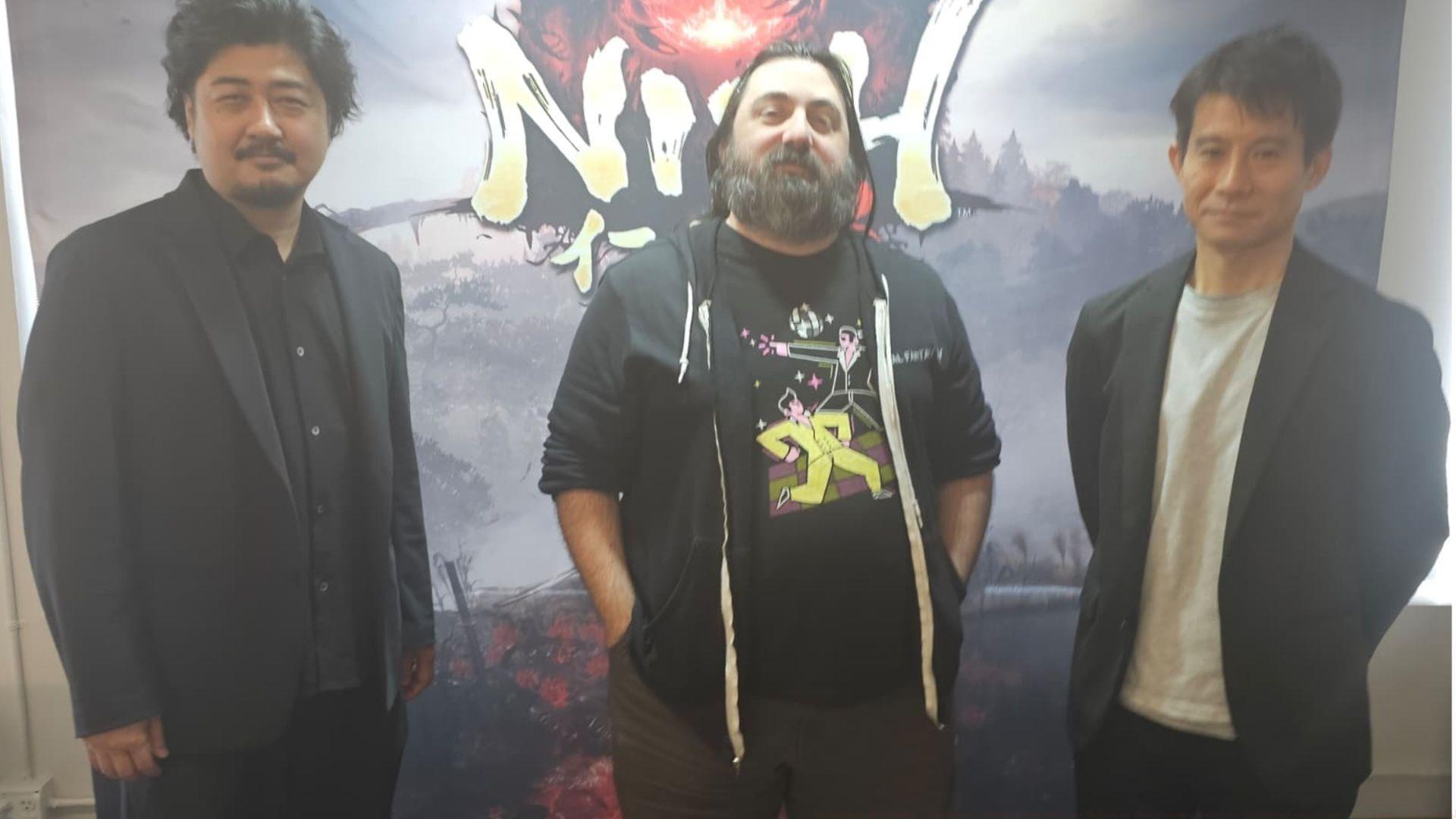
During my preview session at Koei Tecmo America for Nioh 3, I secured exclusive interview time with key developers Fumiko Yasuda (General Producer) and Kohei Shibata (Producer) about this highly anticipated sequel. As a longtime enthusiast of the Nioh franchise alongside my colleagues, we collaborated on strategic questions for the development team. Time constraints prevented addressing all our inquiries, but the insights shared were substantial.
For gaming enthusiasts seeking additional content, explore our latest NYT Mini Crossword solutions, LA Times Crossword answers, and Atlantic Crossword hints for supplementary entertainment.
Gameplay Evolution and Open World Design
Fumiko Yasuda: Our design philosophy for Nioh 3 centers on two fundamental improvements. Previously, the mission-based structure forced players into repetitive boss challenges when stuck at specific stages. This created frustration barriers that interrupted progression flow.
The open-field implementation transforms this dynamic significantly. When encountering difficulty with particular encounters, players now have strategic alternatives rather than mandatory repetition. You can undertake side missions, explore alternative content, or strengthen your character before re-engaging challenging bosses.
This approach maintains the series’ signature challenge while introducing strategic flexibility. Boss re-challenges become optional tactical decisions rather than progression requirements, enhancing overall replay value and player agency.
The second evolution involves mission structure refinement. While previous entries followed strict mission sequencing, Nioh 3 introduces key missions with integrated Crucible mechanics. After completing primary objectives, players can return to Shrines to re-engage specific content, preserving the replayability core fans appreciate while expanding accessibility.
Pro Tip: Utilize the open-field design to farm resources and experience through side content before tackling main story bosses. This strategic preparation can significantly reduce difficulty spikes.
Historical Storytelling and Character Development
Q. Another aspect we admire about Nioh is its historical storytelling. Nioh 3 covers substantial historical ground including the Sengoku Jidai and Bakumatsu periods. The Bakumatsu era receives limited modern media coverage outside titles like Rise of the Ronin. What motivated the selection of these specific historical periods?
Fumiko Yasuda: The Nioh franchise traditionally centers on samurai themes, but Nioh 3 expands this focus to include the Shogun overseeing the samurai hierarchy. Understanding this power structure requires examining its 12th-century origins through its evolution.
We traverse three pivotal Japanese eras: 12th-century foundations, 16th-century Sengoku chaos with famous battles, and 19th-century Bakumatsu modernity. This chronological approach showcases samurai evolution and Shogun integration within historical context.
The Sengoku Jidai and Bakumatsu periods feature prominently in Japanese domestic media and contain numerous heroic figures ideal for narrative development. Their popularity and historical significance made them perfect focal points for Nioh 3’s expanded storytelling.
Writer’s Note: During question preparation, I overlooked that Tokugawa Iemitsu’s childhood name was Takechiyo. This historical context provides valuable character background for gamers unfamiliar with this detail.
Q. Our protagonist Tokugawa Takechiyo bears names familiar to Sengoku Jidai enthusiasts. Does this represent the historical Matsudaira Takechiyo (Tokugawa Ieyasu), or serves as emotional homage to the Great Unifiers?
Kohei Shibata: Since we base our narrative on historical records, this isn’t substantial spoiler territory. Historical documents identify Takechiyo as Tokugawa Ieyasu’s grandson, aligning with our Shogun theme. The historical conflict between Takechiyo and his brother over Shogunate succession provides perfect narrative foundation.
The familial connection is accurate—Takechiyo indeed relates to Ieyasu as his grandson. Samurai naming conventions change upon assuming Shogun title. Since our story focuses on Takechiyo’s journey before becoming Shogun, we utilize his childhood name throughout this narrative arc.
Common Mistake: Don’t confuse Tokugawa family relationships—understanding Ieyasu as the dynasty founder versus Takechiyo as the third Shogun clarifies historical context.
Genre Classification and Design Philosophy
Q. Nioh frequently receives Soulslike categorization due to challenging combat intensity. When discussing Final Fantasy: Strangers of Paradise, that team rejected Soulslike classification. Where does Team Ninja position Nioh 3 within this genre discussion?
Fumiko Yasuda: We acknowledge that without Dark Souls’ influence, the Nioh franchise might not exist. There’s validity in Soulslike categorization, but crucial distinctions separate our approach.
Nioh emphasizes more action-oriented combat compared to traditional Soulslikes. We value our series’ unique characteristics and differentiation from that genre. While acceptable classification, we prefer recognition of Nioh’s distinct identity beyond mere genre labeling.
We wouldn’t take offense at Soulslike categorization, provided players understand Nioh’s specific gameplay innovations and mechanical depth that distinguish it within the action-RPG landscape.
Writer’s Note: The development team remained undecided about glossary terminology during our discussion, promising clarification on proper naming conventions later.
Optimization Tip: Master ki pulse techniques and stance switching—these Nioh-specific mechanics provide combat advantages not typically found in traditional Soulslikes.
Accessibility and Player Experience
Q. How essential is familiarity with Nioh 1 & 2 before experiencing Nioh 3? Can new players immediately enjoy the experience, or have you incorporated recap systems?
Kohei Shibata: Nioh 3 presents a completely new narrative standalone from previous entries. Players can fully enjoy the experience without prior series knowledge. Returning elements include Yokai, Guardian Spirits, and other franchise staples appearing in earlier games.
Series veterans will recognize additional depth and appreciate returning elements with enhanced context. Throughout Nioh 3, explanatory systems detail character backgrounds, historical significance, and previous game roles when relevant.
Q. While appreciating Tokugawa representation, what motivated this specific character selection over other Sengoku Jidai generals or samurai?
Kohei Shibata: Building on earlier discussion, our Shogun theme demanded appropriate historical representation. Historically, Tokugawa Takechiyo became the third Shogun after contending with his brother Tadanaga for the position. This succession conflict perfectly aligned with our narrative objectives.
We’ve implemented creative historical adaptation—while Takechiyo historically secured the Shogunate, our narrative explores an alternative where his brother initially claims the position. This deviation allows exploration of Takechiyo’s growth journey from loss to redemption, creating compelling character development.
Q. Nioh 3’s marketing highlights simultaneous samurai and ninja playstyle switching. While appreciating this flexibility, maintaining dual builds could overwhelm newcomers. Can players complete the game using only one style?
Shibata We’re delighted you appreciate the dual-style system! Initial complexity concerns diminish once players experience the clear role differentiation and instant switching mechanics. Brief experimentation typically resolves apprehension.
While dual-style utilization offers maximum gameplay depth, we’ve designed complete viability for single-style preference. Mandatory style switching would undermine player freedom—a core Nioh series principle we rigorously maintain.
Players should choose their comfort approach: master one style throughout, or experiment with situational switching after establishing proficiency. Both approaches receive full development support.
Q. Regarding newcomer accessibility, what systems assist players unfamiliar with this challenging genre?
Shibata: We’ve implemented comprehensive tutorial systems with progressive skill unlocking aligned with narrative progression. Contextual command prompts appear screen-edge based on situation frequency, with toggle options in settings.
Beyond established series progression systems, the open-field environment and dual-style mechanics expand strategic options significantly. Enhanced character strengthening methods and integrated multiplayer provide alternative approaches for overcoming challenging encounters, accommodating various skill levels.
Legacy and Future Possibilities
Q. Since Nioh 2’s release over five years ago, Team Ninja has developed new IPs including Wo Long: Fallen Dynasty and Rise of the Ronin. Does Nioh 3 incorporate elements from these titles?
Yasuda: Our development experience from Wo Long’s deflection mechanics and 3D action, NINJA GAIDEN’s signature ninja combat, and Ronin’s open-world design significantly informed Nioh 3’s development. We’ve adapted and refined these elements to fit Nioh’s unique identity—particularly regarding ninja/samurai combat integration and warfare-dense open environments.
During our Nioh 3 discussion, I ventured one Ninja Gaiden franchise question given my NES 2D series affinity. Despite their notorious difficulty, those games fundamentally shaped my platformer perspectives.
I inquired about potential Team Ninja-developed 2D Ninja Gaiden revival. While Ninja Gaiden Ragebound released recently, it wasn’t Team Ninja developed. Here’s Fumiko Yasuda’s response before returning to Nioh 3 discussion:
I certainly count among those enthusiasts! While we appreciate Ninja Gaiden 4, I’d enthusiastically support new 2D title development from our core team. Ragebound delivered enjoyable entertainment, but I’m curious about contemporary Team Ninja interpretation of 2D gameplay dynamics.
Release Information: Nioh 3 launches February 6, 2026, from Koei Tecmo and Team Ninja, available on PlayStation 5 and PC platforms.
Advanced Strategy: For veterans, experiment with hybrid build combinations that leverage both playstyles’ strengths against specific enemy types rather than committing exclusively to one approach.
No reproduction without permission:GameCDjnh » “We wouldn’t be offended”: Team Ninja’s Fumiko Yasuda and Kohei Shibata on Nioh 3 being a Soulslike, historical eras, Ninja Gaiden, & more [Exclusive] Team Ninja developers reveal Nioh 3 gameplay innovations, historical storytelling, and potential Ninja Gaiden revival