
A deep dive into Hell Clock’s unique blend of Brazilian history, roguelike mechanics, and flexible gameplay systems
Introduction to Hell Clock’s Unique Identity
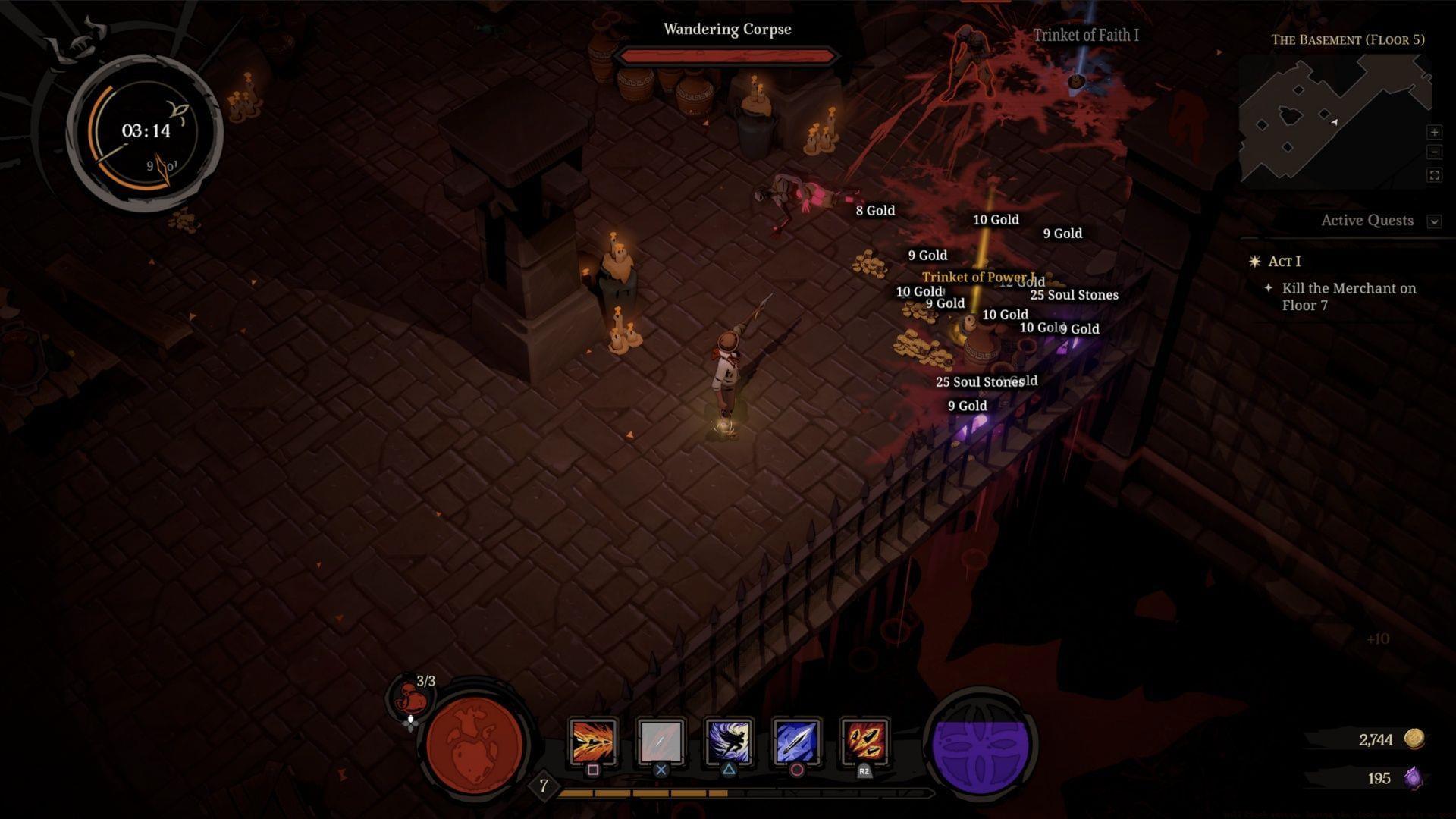
While Hell Clock shares the action-RPG roguelike space with acclaimed titles like Hades, Diablo 4, and Dead Cells, it carves out a distinct identity through its unique narrative framework and mechanical innovations. The game stands apart from potential clones through its authentic storytelling approach and polished combat systems. Even the occasional grinding elements in later stages remain completely optional, providing players with meaningful choices about their engagement depth. The design philosophy emphasizes player agency, and extended play sessions reveal increasingly sophisticated layers of strategic depth.
This revenge-driven narrative unfolds through compelling dialogue and atmospheric storytelling that encourages philosophical reflection. Players assume the role of Pajeú, embarking on a perilous journey through the underworld to rescue his trapped mentor. The central premise requires navigating increasingly dangerous hellscapes while confronting formidable adversaries determined to halt your progress.
The integration of gameplay mechanics with narrative elements creates a cohesive experience that respects player intelligence. While comprehensive understanding of Brazil’s historical conflicts isn’t mandatory for enjoyment, the game’s thematic depth often inspires players to explore the real-world events that influenced its development. This educational aspect emerges organically rather than feeling forced or didactic.
Core Gameplay Mechanics and Systems
The fundamental gameplay cycle in Hell Clock follows a structured approach that balances strategic planning with reactive combat. Players begin each session in a village hub area where they configure initial skill loadouts and equipment selections. Venturing into the underworld initiates the core challenge: surviving against relentless enemies while managing a constantly depleting time resource. Progressing through dungeon floors yields both active skill enhancements and passive statistical improvements, with the latter providing subtle but meaningful combat advantages.
Statistical upgrades often receive less attention during intense gameplay sessions, though players can review them through the status interface. Importantly, the hell clock continues its countdown during pause menu navigation unless specifically disabled in settings—a configuration most players will want to adjust early. Environmental interaction yields abundant loot containers, though the relevance of acquired items varies significantly based on current build requirements.
The most engaging progression elements involve ability modifications that fundamentally alter combat approaches. Whether increasing projectile velocity or expanding area-of-effect capabilities, these enhancements dramatically impact gameplay dynamics. The randomized nature of upgrade acquisition demands adaptive playstyles, encouraging creative problem-solving with available resources. Firearm-focused builds benefit particularly from rate-of-fire improvements and resource efficiency modifications.
Defeating major boss encounters extends your available time allocation, creating strategic decisions about risk versus reward. When the timer fully depletes, players return to the hub with accumulated resources for permanent progression systems. Multiple difficulty configurations accommodate varying skill levels, with hardcore options for experienced players and clock-disabling features for more relaxed sessions. This accessibility design ensures challenging combat remains engaging regardless of time pressure preferences.
Visual Presentation and Audio Design
Hell Clock’s aesthetic direction channels the gritty energy of classic pulp comics, complementing its visceral combat with striking visual presentation. The art style emphasizes bold contrasts and dynamic compositions that enhance the game’s dark thematic elements. Environmental diversity across underworld regions creates distinct visual identities for different gameplay areas, while satisfying audio feedback reinforces combat impact.
The character design showcases particular strength in major NPCs and boss encounters, though standard enemy varieties sometimes lack visual distinction. Fortunately, their brief combat lifespan minimizes this limitation’s impact. The overall technical execution demonstrates impressive optimization, ensuring smooth performance across varied hardware configurations without sacrificing visual quality.
Environmental storytelling through visual details reinforces the narrative’s emotional weight, with each region containing subtle references to the historical inspirations. The audio design complements this approach with atmospheric soundscapes that evolve based on player progression and situational context.
Build Flexibility and Progression Systems
Hell Clock’s most compelling feature lies in its extensive build customization options, allowing players to develop specialized character configurations through sustained play. The relic system introduces equipment that provides persistent passive benefits, though finding appropriate relics for specific builds requires considerable investment. While many acquired relics may not align with current strategies, their stat bonuses remain applicable across various approaches.
This equipment acquisition dynamic mirrors systems in similar genre titles like Diablo 4, where optimal item discovery involves substantial playtime. The game’s true strength emerges through the combinatorial possibilities between skill modifications, statistical enhancements, and relic synergies. Numerous devastating build configurations become achievable through strategic planning and fortunate discoveries.
While the core movement and combat mechanics follow established genre conventions, the flexibility within those systems creates engaging experimentation opportunities. The progression curve carefully balances immediate rewards with long-term investment, encouraging repeated engagement through tangible power advancement.
Advanced Build Strategy: Focus on synergizing your primary attack method with complementary relics. Ranged builds benefit significantly from reload speed and projectile enhancements, while melee approaches require defensive positioning and area control relics. Don’t overlook utility relics that provide mobility or resource generation, as these can dramatically improve survival in later stages.
Advanced Strategies and Player Experience
New players should prioritize understanding the time extension mechanics during initial runs, as boss defeats provide crucial additional seconds for exploration. The early game timer restrictions feel particularly stringent, though permanent upgrades eventually alleviate this pressure. This initial challenge curve creates satisfying progression as player power increases across multiple attempts.
Common Early Mistakes: Many new players waste valuable time deliberating over minor stat upgrades instead of focusing on movement and core combat efficiency. Another frequent error involves hoarding resources rather than investing in permanent hub upgrades between runs. Additionally, players often underestimate the importance of learning enemy attack patterns in favor of reckless aggression.
The game’s compelling loop creates persistent engagement through incremental improvement and discovery. Each completed run reveals new strategic possibilities while providing resources for character advancement. This carefully balanced progression ensures that even failed attempts contribute meaningfully to long-term success.
Endgame Optimization: Once you’ve mastered the core mechanics, focus on creating specialized builds that exploit specific relic combinations. The hardcore mode provides additional challenges for experienced players, while the relic discovery system offers nearly endless build customization options for repeated playthroughs.
No reproduction without permission:GameCDjnh » Hell Clock review: Racing the clock never felt so good A deep dive into Hell Clock's unique blend of Brazilian history, roguelike mechanics, and flexible gameplay systems