
Gaimin Gladiators files $7.5M lawsuit against ex-players over contract breaches and sponsorship disputes
The Shocking Legal Action
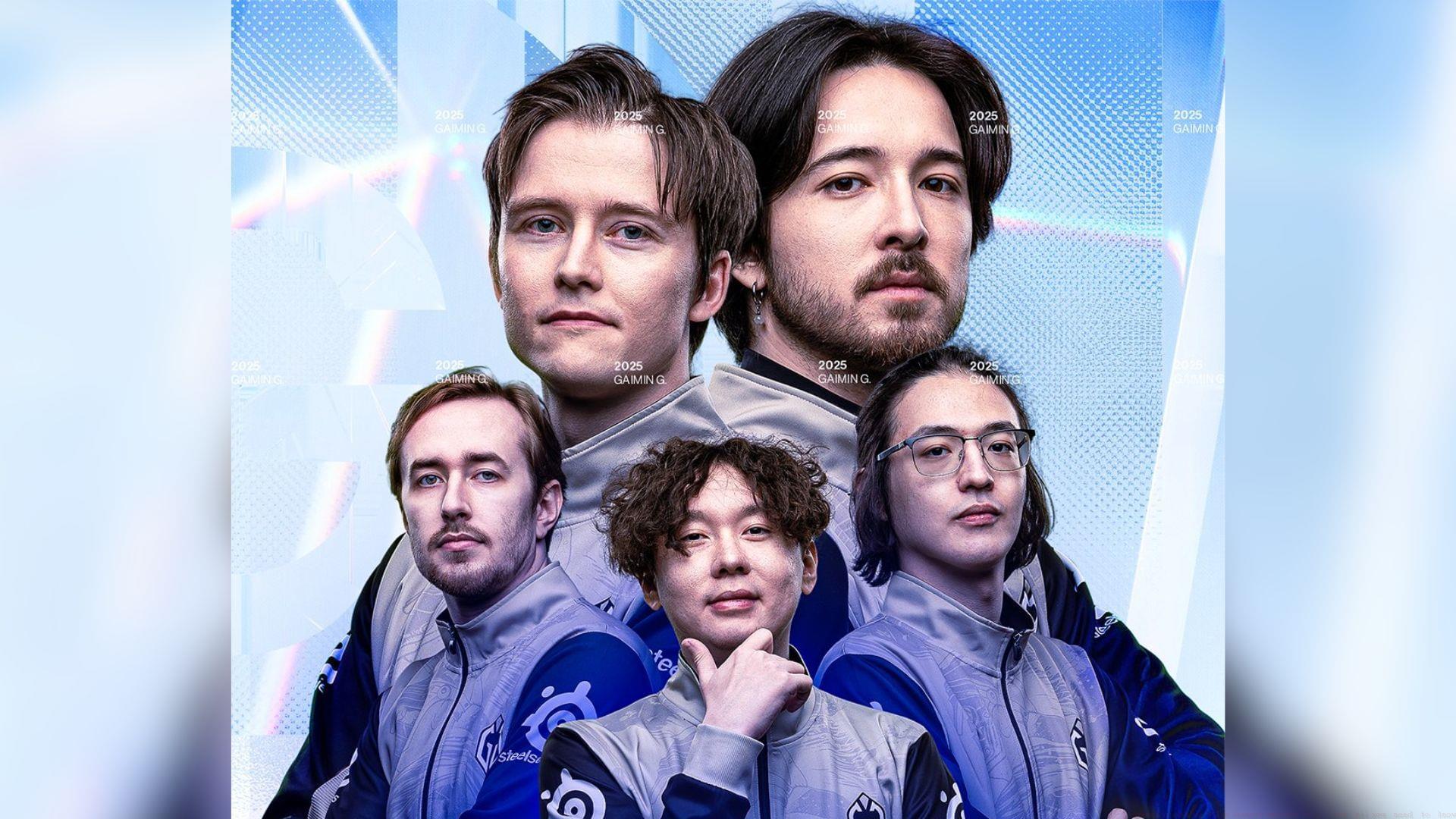
The esports world was rocked when Gaimin Gladiators initiated unprecedented legal proceedings against their former Dota 2 roster. This landmark case involves a staggering $7.5 million CAD damage claim, positioning it among the most substantial financial disputes in competitive gaming history. The timing coincides with the team’s unexpected departure from The International 2025, creating additional controversy given their elite status within the professional Dota 2 circuit.
Industry analysts note this lawsuit represents a significant escalation in how organizations address player contract violations. Unlike traditional sports contracts, esports agreements often contain complex digital content creation clauses that can create unexpected liabilities for professional gamers.
Root Causes and Contractual Disputes
The legal confrontation originates from multiple contractual breaches dating back to early 2024, primarily involving sponsorship compliance failures. Management initially pursued internal resolution by proposing salary reductions as penalties for repeated sponsor obligation neglect. One particularly contentious incident involved player Quinn making politically sensitive comments regarding Russia during official team streams, potentially violating partnership agreements.
Esports organizations increasingly depend on sponsor relationships for financial stability, making contractual compliance essential. Professional players must understand that their public statements and social media activity directly impact organizational partnerships. The growing expectation for players to serve as brand ambassadors creates additional responsibilities beyond competitive performance.
Common sponsorship pitfalls include inconsistent social media promotion, missed streaming hours, and controversial public statements. Organizations typically outline these requirements in detailed rider clauses within player contracts, but many competitors fail to thoroughly review these stipulations before signing.
Specific Allegations and Evidence
Beyond individual incidents, the organization documented systematic failures across dozens of social media deliverables, severely damaging partner relationships. After issuing multiple formal warnings, management escalated to legal action as the breaches continued. The official statement provided to journalist Richard Lewis reveals the dispute encompasses an 18-month period of unfulfilled obligations combined with repeated instances of inappropriate communication.
Additional serious allegations claim players deliberately cancelled tournament preparation sessions, threatened competitive underperformance, and attempted to compete independently despite active contractual obligations. These actions represent fundamental violations of professional esports contracts, which typically include exclusivity clauses and performance expectations.
Esports legal experts note that contract disputes often arise from mismatched expectations about content creation requirements. Professional players focused on competitive performance may underestimate the business obligations that come with organizational support. Clear communication and regular contract reviews can prevent such misunderstandings from escalating into legal battles.
Current Status and Implications
The lawsuit documents have been formally submitted to Ontario’s court system, initiating what could become a protracted legal battle. The accused players maintain public silence regarding the allegations, a common strategy during active litigation. The esports community anxiously awaits their response while legal professionals analyze potential precedents this case might establish.
This situation highlights critical industry issues regarding player-organization relationships and contractual enforcement. As esports continues professionalizing, such legal disputes may become more common as organizations seek to protect their investments and enforce business terms. The outcome could influence how future contracts are structured and enforced across the competitive gaming landscape.
Practical tip: Players should always seek legal counsel before signing esports contracts, particularly regarding sponsorship obligations and content creation requirements. Understanding the full scope of contractual duties can prevent similar disputes from developing.
Esports Contract Management Guide
Understanding Professional Esports Agreements:
Modern esports contracts typically include three critical components beyond basic competition terms: sponsorship obligations, content creation requirements, and behavioral standards. Players frequently underestimate the time commitment needed for non-competitive duties, leading to inadvertent breaches.
Common Contractual Pitfalls to Avoid:
Social media deliverables represent the most frequently violated clause, as players focus on training rather than promotional activities. Organizations increasingly track these obligations through dedicated analytics and may impose financial penalties for non-compliance. Additionally, public statements during streams or on social platforms can violate morality clauses contained in most modern contracts.
Best Practices for Professional Players:
Maintain detailed records of all sponsorship deliverables and create content calendars to ensure compliance. Request regular performance reviews with organization management to address issues before they escalate. Consider hiring specialized esports legal representation to review all contractual agreements before signing.
No reproduction without permission:GameCDjnh » Gaimin Gladiator files lawsuit against Dota 2 team: All you need to know Gaimin Gladiators files $7.5M lawsuit against ex-players over contract breaches and sponsorship disputes