
TL;DR
- Elden Ring’s open world features six distinct regions with unique environmental challenges and rewards
- Combat incorporates Spirit Summons and stealth alongside traditional Souls-style mechanics
- Dynamic day-night cycles and weather systems significantly impact enemy behavior and accessibility
- The game offers substantial replay value through multiple endings and build diversity
- Future titles could enhance replayability with exclusive NG+ content and varied level design
FromSoftware’s transition to open-world design in Elden Ring represents a monumental shift that expands player agency while maintaining the studio’s signature challenging gameplay. This evolution allows for unprecedented freedom in exploration and progression, creating a truly personalized adventure experience.
Critical analysis reveals that Elden Ring establishes new standards for open-world implementation by seamlessly integrating meticulously designed legacy dungeons within a vast, interconnected landscape. The game masterfully balances structured challenges with organic discovery, rewarding thorough investigation of its expansive territories.
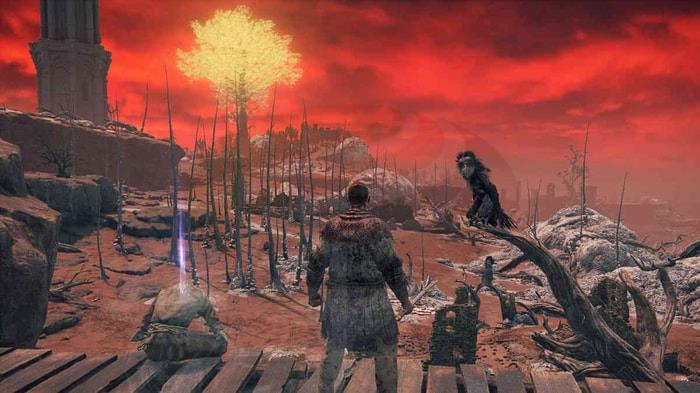
The Open-World Format Details Are as Follows:
The Lands Between, collaboratively crafted with George R.R. Martin, presents a richly layered narrative environment where history unfolds through environmental storytelling and character interactions.
Six distinct territories comprise the game world, each governed by a demigod holding fragments of the shattered Elden Ring. These regions showcase remarkable diversity in topography, climate conditions, indigenous creatures, and architectural styles that reflect their rulers’ personalities and histories.
Navigation flexibility is a cornerstone of the experience, offering both terrestrial and equestrian travel options. Sites of Grace serve as crucial fast-travel waypoints, while the spectral steed Torrent provides instant mobility even during aerial descent situations.
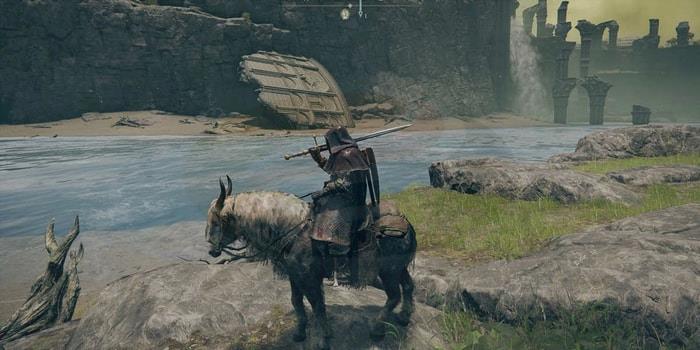
Exploration reveals countless points of interest including ancient ruins, subterranean caverns, fortified castles, and burial catacombs. Approximately 40% of these locations remain optional, containing valuable resources, unique equipment, hidden narrative threads, and challenging boss encounters.
Player autonomy extends to quest progression, allowing unconventional approaches to regional conquest and demigod confrontation. Faction alliances and character decisions dynamically reshape the world state and narrative outcomes.
The implementation of cyclical day-night patterns and meteorological systems introduces strategic considerations for exploration. Nocturnal conditions often intensify enemy aggression, while severe weather may temporarily block access to certain areas or create new tactical opportunities.
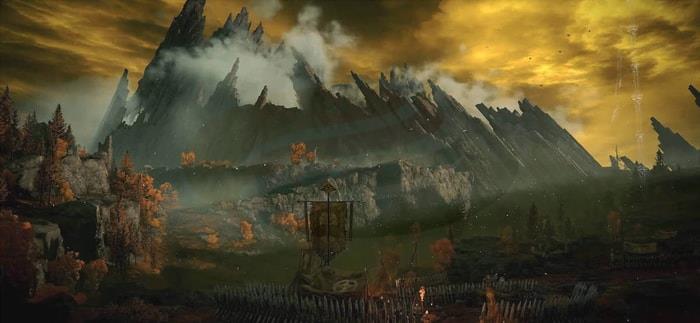
Combat mechanics build upon Dark Souls foundations while introducing transformative elements that expand tactical possibilities. Players can engage enemies using diverse armaments, magical arts, consumable items, and specialized abilities.
Spirit Summons represent a groundbreaking addition, allowing temporary conjuration of spectral allies during combat scenarios. These ethereal companions provide crucial support against formidable opponents and can be strategically deployed based on encounter requirements.
Stealth approaches offer alternative engagement strategies, enabling players to bypass or ambush enemies. Rune utilization facilitates character enhancement, offering permanent stat improvements and ability unlocks.
Multiplayer functionality supports cooperative and competitive interactions among up to four participants. Players can initiate or respond to summoning requests for joint exploration or PvP encounters. The messaging system allows communication through pre-written notes and ghostly player recordings.
Future FromSoftware Games Should Double Down on Replay Value
Understanding replay value requires examining how games maintain engagement beyond initial completion, whether through continued enjoyment, increased challenge, or content discovery.
FromSoftware has cultivated a reputation for exceptional replayability through signature design elements. These include multiple narrative conclusions, branching progression routes, optional zones and bosses, diverse character builds, online features, and New Game+ modes that escalate difficulty while providing enhanced rewards.

Elden Ring significantly advances replay potential through its open-world structure that encourages nonlinear exploration. The dynamic environmental systems, faction interactions, and deep lore investigation create varied experiences across playthroughs.
However, critical assessment reveals certain limitations in Elden Ring’s replay design. The absence of exclusive New Game+ content and repetitive open-world exploration can diminish subsequent playthrough engagement compared to more tightly designed predecessors.
Future development should prioritize enhanced replay incentives through exclusive higher-difficulty rewards, conditional content access, and more intricate level variation. Balancing expansive world design with carefully crafted interior spaces could provide consistently fresh experiences across multiple completions.
Strategic recommendations include implementing difficulty-locked equipment, unique combat abilities, hidden bosses, alternative endings, and secret areas accessible only under specific circumstances. The integration of more diverse architectural and environmental designs would ensure each playthrough offers unique challenges and discoveries.
Action Checklist
- Explore each region during both day and night cycles to encounter different enemy behaviors and accessibility conditions
- Experiment with at least three different character builds across playthroughs
- Complete all major faction questlines to experience different narrative outcomes
- Master Spirit Summon deployment against appropriate boss types for optimal combat efficiency
- Utilize stealth approaches in densely populated areas to conserve resources and gain tactical advantages
No reproduction without permission:GameCDjnh » Elden Ring Open-World Format Guide Mastering Elden Ring's open world and maximizing replay value through strategic exploration and build diversity