
Clair Obscur: Expedition 33 offers two philosophical endings – learn which choice delivers the most emotionally satisfying conclusion
The Impossible Choice: Understanding the Core Dilemma
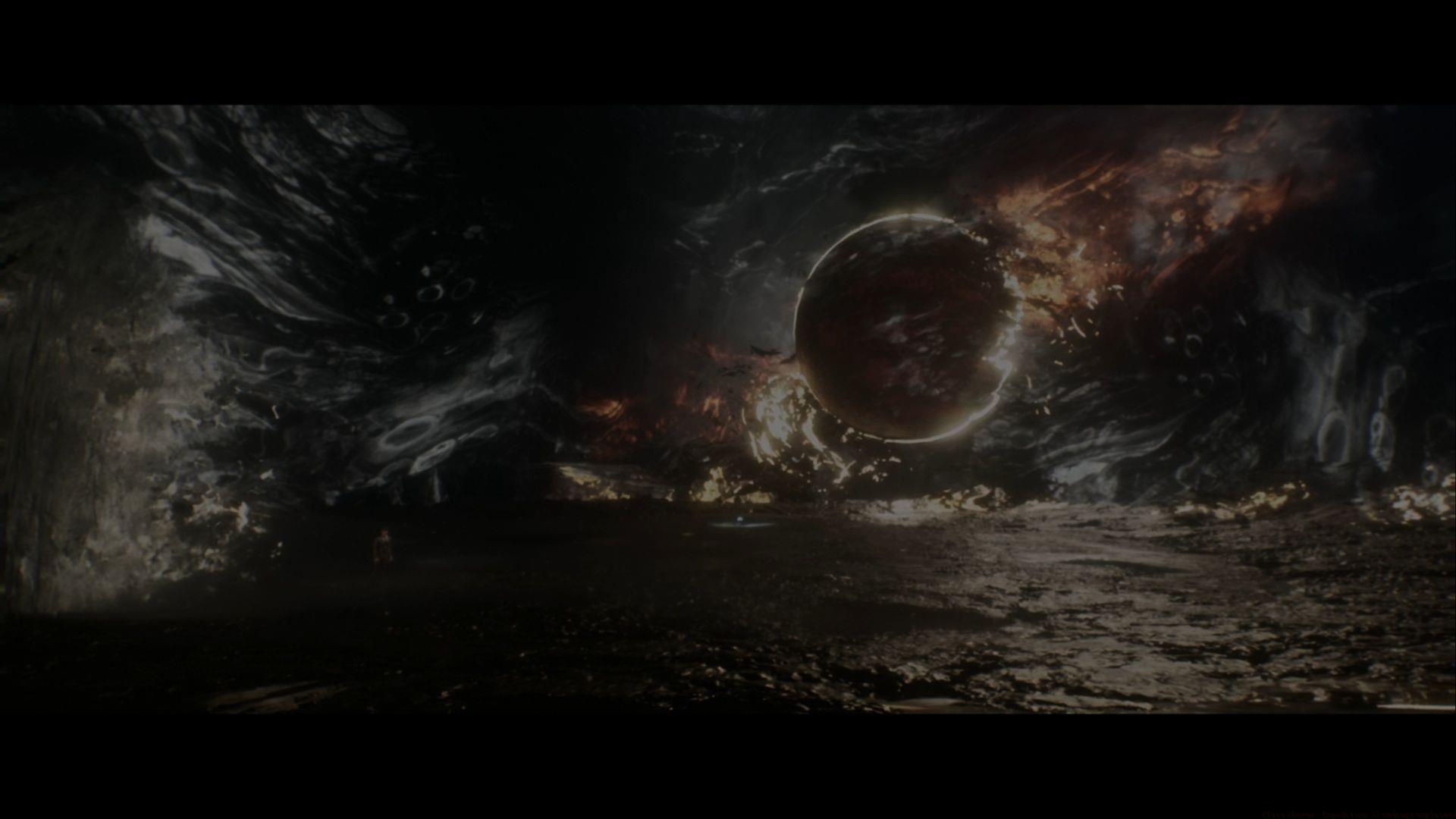
Clair Obscur: Expedition 33 presents players with one of gaming’s most profound moral dilemmas through its dual ending structure. The narrative builds toward an emotionally charged decision point where you must choose between two fundamentally opposed worldviews. After confronting the final boss and uncovering the truth about this painted reality, you’ll face a choice that tests your personal philosophy about life, loss, and moving forward.
The game’s foundation rests on a tragic backstory – a world born from parental grief over losing their son Verso and their daughter Alicia’s disfigurement in a devastating fire. Within this painted realm, Alicia exists as Maelle, desperately clinging to this artificial world where she can experience normalcy. Meanwhile, Verso understands his artificial nature and yearns for release, believing Alicia must confront reality to truly heal. This creates the central conflict that drives your ultimate decision.
When Verso crosses through the portal following the final confrontation, Maelle pursues him, setting up the climactic choice. Maelle advocates for preserving the painted world while Verso demands its dissolution. Your selection determines which philosophy prevails and which character you must defeat in the ensuing confrontation. Though the battle itself isn’t mechanically challenging, the emotional weight makes this one of the most memorable decisions in recent RPG history.
Verso’s Ending: The Painful Path to Reality
Selecting Verso’s resolution in Clair Obscur: Expedition 33 leads to one of gaming’s most poignant conclusions. After overcoming Maelle in combat, Verso permanently deactivates the painting, causing the painted version of Maelle to dissolve into nothingness. In a heartbreaking sequence, he witnesses his companions Monoco, Esquie, Lune, and potential romantic partner Sciel transform into swirling scarlet petals and vanish forever.
The narrative then transitions to the epilogue titled “A Life to Love”, set at the Dessendre estate in Lumiere. Here we find Renoir, his spouse, and Alicia gathered at Verso’s gravesite in solemn remembrance. Alicia clutches an Esquie doll, connecting her to the lost painted world, while all three maintain respectful silence at the burial site.
Verso’s headstone bears the inscription “A Jamais Peint Dans Nos Caeurs,” which translates from French as “Forever Painted in Our Hearts” – a devastatingly beautiful epitaph. The emotional atmosphere intensifies as their sibling Clea arrives with floral offerings, joining the silent vigil as melancholic music underscores the scene’s profound sadness.
As Clea departs, the camera perspective shifts to center on Alicia, who now stands alone between her parents. Before her, she witnesses her former companions waving farewell as they once again transform into crimson petals – including Maelle, her painted alter ego. The final image shows Alicia completely isolated, her family having withdrawn, compelled to continue her journey through genuine reality without artificial comforts.
Maelle’s Ending: The Cost of Perfect Illusion
Choosing Maelle’s alternative resolution delivers an entirely different emotional experience in Clair Obscur: Expedition 33. After besting Verso in combat, he desperately implores Maelle to dismantle the painting and grant him peace. His repeated pleas emphasize his rejection of this artificial existence, while Maelle argues for reclaiming their stolen time through this painted paradise.
Maelle’s earlier dialogue resurfaces as the game transitions into the epilogue “A Life to Paint”, which unfolds at Lumiere’s opera house. Audiences gather for a performance featuring an enormous centerstage piano. Monaco and Esquie greet guests at the entrance, while Maelle appears with a young boy bearing striking resemblance to Verso. Lune, Sciel, Sciel’s deceased husband Pierre, and Gustave – who previously fell to Renoir – all appear, miraculously restored as if tragedy never touched them.
The scene transitions to monochrome as an elderly, fatigued man approaches the stage – revealed as Verso, who previously expressed his passion for piano. Maelle has engineered this moment to fulfill his dream of performing, potentially indefinitely. Verso likely comprehends the artificial nature of this scenario, having understood his painted existence throughout the narrative.
As Verso prepares performing before the silent audience, the perspective suddenly returns to Maelle, revealing horrifying transformation. Significant facial sections now bear paint coverage reminiscent of the Paintress’s appearance earlier in the game. This visual symbolizes the consequence of prolonged immersion in the painted realm. Her face appears to liquefy and drip like canvas paint before the scene dissolves to black and credits commence.
Philosophical Analysis: Which Ending Is Truly ‘Good’?
Both conclusions in Clair Obscur: Expedition 33 carry profound tragic elements, raising the essential question: which represents the “good” ending? The answer depends entirely on your philosophical orientation toward two competing value systems. Would you choose idealized existence despite severe consequences, or embrace emotional resilience by confronting reality?
From personal experience with trauma and chronic pain, I deeply understand Maelle’s perspective. The compelling desire to retreat into flawless moments holds powerful appeal when reality brings persistent suffering. Many players facing life challenges will identify with choosing perfect artificial happiness over difficult authenticity.
However, Maelle’s resolution contains disturbing ethical implications – it eternally traps someone who recognizes their artificial nature and desires liberation. She disregards Verso’s explicit wishes, imprisoning him within her painted universe for personal fulfillment. This represents a profound violation of autonomy, regardless of her intentions.
Consequently, despite personal sympathies, Verso’s conclusion emerges as the more ethically sound resolution. Though Alicia/Maelle resists progression, accepting reality demonstrates emotional maturity and avoids intentionally harming others. This ending respects individual autonomy while acknowledging that genuine healing requires confronting painful truths rather than escaping them.
Practical Tip: Before deciding, consider saving before the choice point to experience both endings. Each provides unique emotional insights and completes different aspects of the narrative tapestry.
Common Mistake: Don’t assume one ending is universally “better” – your personal values should guide this deeply philosophical decision rather than seeking an objectively correct answer.
Clair Obscur: Expedition 33 weaves an extraordinary narrative combining deep emotional storytelling, strategic turn-based combat, and Soulslike challenge elements. This masterpiece deserves attention from RPG enthusiasts seeking substantive narrative experiences. For comprehensive evaluation of its gameplay systems and overall design, consult our detailed critical analysis.
No reproduction without permission:GameCDjnh » Clair Obscur: Expedition 33 endings explained Clair Obscur: Expedition 33 offers two philosophical endings - learn which choice delivers the most emotionally satisfying conclusion