
Mastering rebellion management in Europa Universalis 5 with advanced strategies and practical solutions
Understanding Rebellion Mechanics
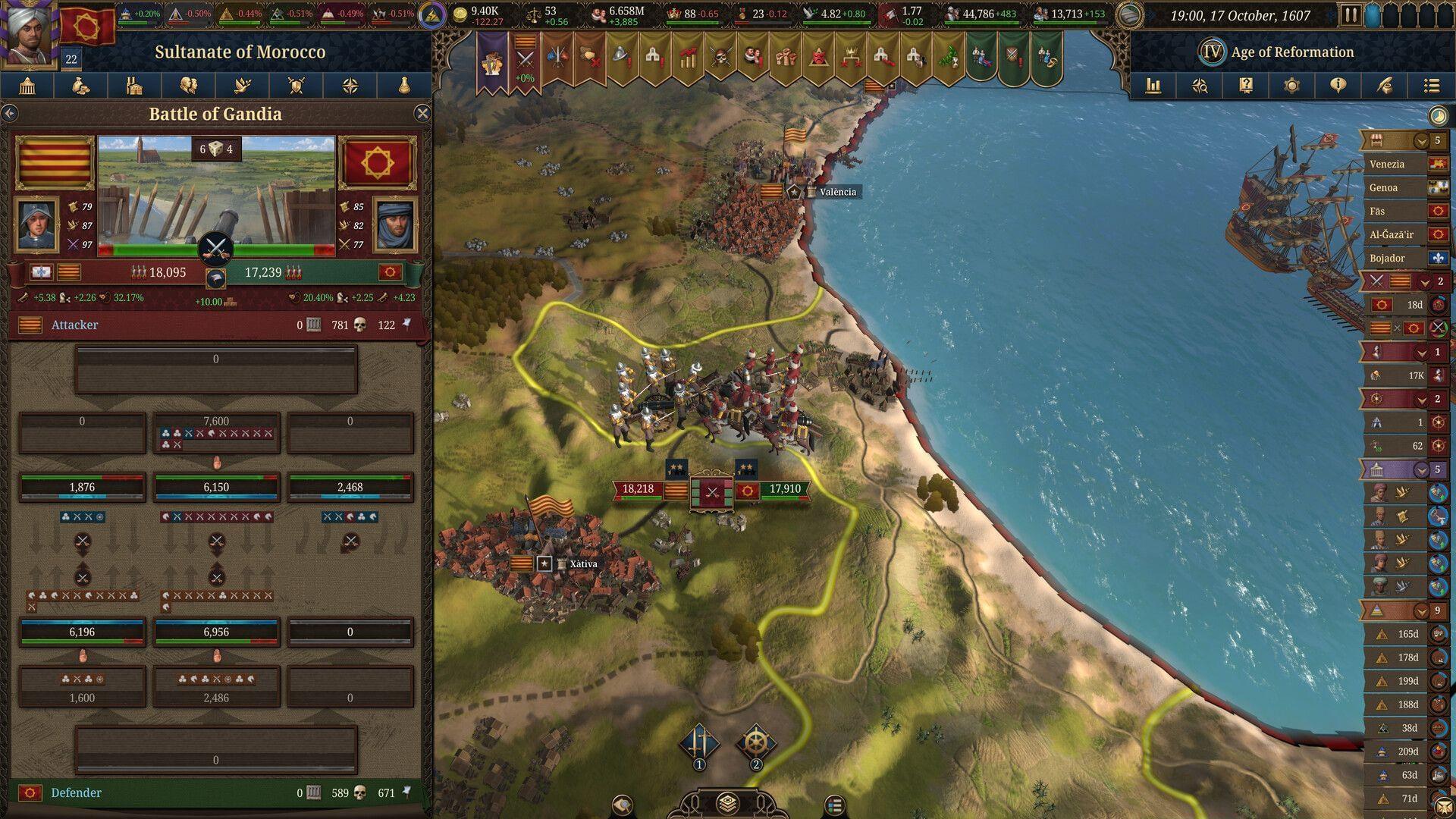
Europa Universalis 5 presents players with the complex challenge of governing nations through periods of intense internal conflict and public dissatisfaction. Mastering the distinction between different forms of unrest becomes crucial for maintaining territorial integrity and national prosperity throughout your campaign.
Civil Wars represent the most severe internal threat, where rebel factions unite under coordinated leadership to challenge your authority directly. These conflicts typically emerge when multiple dissatisfaction factors converge, creating a perfect storm of discontent that cannot be resolved through conventional governance methods. Unlike smaller-scale disturbances, Civil Wars feature organized military structures and strategic objectives aimed at overthrowing your administration.
Rebellion progression operates on a measurable scale from 0% to 100%, with the default monthly increase set at 0.1%. However, this rate can accelerate dramatically when regional Control drops below critical thresholds. The Society interface’s Rebel tab provides essential intelligence about both current progress levels and the specific grievances driving each rebellion, allowing strategic preparation before conflicts escalate beyond containment.
Rebel Types and Triggers
Successful rebellion management begins with understanding the four primary insurgent categories and their specific activation conditions. Each rebel type responds to distinct societal pressures and requires tailored counter-strategies to neutralize effectively.
- Nationalist Rebels: These factions emerge when cultural homogeneity becomes threatened or when specific cultural groups feel underrepresented in government structures. They typically demand autonomy or complete independence based on ethnic or linguistic identities.
- Religious Rebels: Religious unrest sparks when state religious policies conflict with population beliefs or when religious minorities face persecution. These rebels often seek to establish theocratic governance or secure religious freedoms through armed resistance.
- Slave Rebels: Arising from the enslaved social class, these insurgents fight against systemic oppression and demand emancipation. Their emergence typically follows economic crises or ideological shifts that make the population question institutional slavery.
- Estate Rebels Representing powerful social classes like nobility, clergy, or burghers, these rebels challenge royal authority when they perceive their traditional privileges or economic interests being threatened by centralizing reforms.
Beyond specific population triggers, general dissatisfaction escalates when basic needs remain unmet. Infrastructure deficiencies, trade route disruptions, and resource shortages all contribute to the discontent that fuels rebellion across all social strata.
Advanced Suppression Strategies
When rebellion transitions from threat to active conflict, your response must be swift, decisive, and appropriately scaled to the challenge. Military solutions vary significantly between Civil Wars and Revolts, requiring different tactical approaches and resource commitments.
Civil War resolution demands concentrated military force applied directly to rebel strongholds. Deploy substantial armies to besiege rebel-controlled locations, focusing on defeating their military formations in decisive engagements. Successful sieges not only reclaim territory but also demonstrate state capacity, gradually restoring Control metrics in affected regions through visible government presence.
Revolts present a different challenge, as they essentially function as newly declared independent nations within your borders. You must formally declare war and commit to full-scale military campaigns to subjugate these breakaway regions. This process involves systematic territory reconquest and often benefits from calling allied nations to support your suppression efforts, both militarily and diplomatically.
Experienced players recommend maintaining rapid-response military units in strategic reserve positions, enabling immediate deployment when rebellion indicators first appear. This proactive positioning can contain conflicts before they spread across multiple regions, significantly reducing recovery time and resource expenditure.
Proactive Management Techniques
The most effective rebellion strategy focuses on prevention rather than suppression. By addressing root causes before they escalate, you can maintain stability while conserving military resources for external conflicts and expansion opportunities.
Regular monitoring of the Society interface provides early warning of developing unrest. Track rebellion progression percentages and identify the specific grievances driving each movement. When progression exceeds 30%, implement targeted interventions like construction projects in underdeveloped regions, trade route optimization to address resource shortages, or religious tolerance edicts to calm sectarian tensions.
Control metrics serve as your primary prevention tool. Regions with Control below 50% become rebellion hotspots, while areas above 80% Control rarely experience significant unrest. Invest in infrastructure, maintain adequate garrison forces, and ensure efficient tax collection to bolster regional Control before dissatisfaction manifests as armed rebellion.
Advanced players utilize a layered defense approach: economic policies address immediate needs, cultural integration reduces nationalist sentiments, religious flexibility minimizes sectarian conflict, and military readiness provides final security assurance. This comprehensive strategy transforms rebellion management from crisis response to systematic governance.
No reproduction without permission:GameCDjnh » Civil Wars: How to deal with Civil Wars and Revolts in Europa Universalis 5? Mastering rebellion management in Europa Universalis 5 with advanced strategies and practical solutions